
Reviewed · ANCIENT SITES AND RUINS
Ephesus, Priene, Miletos and Didyma Tour
Four ancient cities, one long day. This private tour links Ephesus, Priene, Miletos and Didyma into a single Aegean circuit, giving you much more than the usual Kusadasi visit to Ephesus. I like the well-planned route and the chance to see places tied to philosophers, emperors, temples and ancient trade. I also like that transport, guiding and entrance fees are bundled into the $210 price.
The main catch is simple: eight hours is a brisk schedule for four major archaeological sites. You will see a great deal, but this is not a slow, leisurely outing. Bring good shoes, sun protection and enough energy for uneven ground, hills and plenty of walking.
In This Review
- Key Points Before You Book
- Why This Four-City Route Is Worth Your Day
- Starting from Kusadasi in a Private Vehicle
- Ephesus: Marble Streets and Roman Power
- Priene: A Hilltop Lesson in City Planning
- Miletos: Where Trade Met Philosophy
- Didyma: Ending at the Temple of Apollo
- What the Guide and Driver Add
- Is $210 a Fair Price?
- What to Bring and How to Prepare
- Who Should Book This Tour?
- Final Verdict: A Big Ancient Aegean Day
- FAQ
- How long does the tour last?
- Where does pickup take place?
- Is this a private tour?
- Are entrance fees included?
- Is transportation included?
- Which languages are available?
- What should I bring?
- Is the tour suitable for wheelchair users?
Key Points Before You Book
- Four ancient sites in one day: Ephesus supplies Roman grandeur, while Priene, Miletos and Didyma add Greek planning, philosophy and prophecy.
- Private transport and guide: Pickup and drop-off are available at Kusadasi port or local hotels, with an air-conditioned vehicle and professional driver.
- Entrance fees are included: The price covers entry to all four places on the planned route, with no separate site fees listed.
- A strong guide makes the difference: Guides such as Volkan and Olkan have been praised for clear explanations, flexibility and answering questions.
- Expect serious walking: Comfortable shoes, sunglasses, a camera and a sun hat are essential. The tour is not suitable for wheelchair users.
- Best for archaeology fans: You gain a broad view of ancient Anatolia, but you trade leisurely time at each stop for wide coverage.
Why This Four-City Route Is Worth Your Day
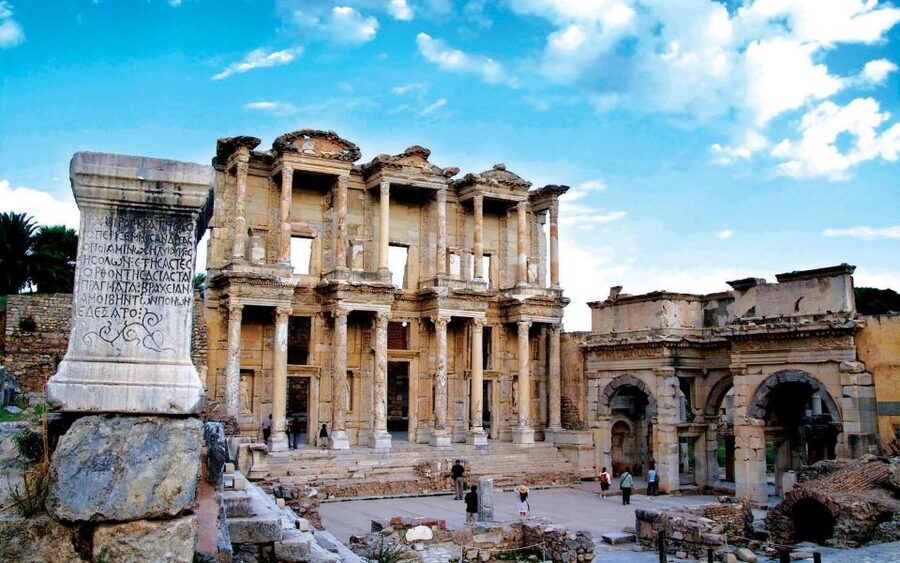
Most Kusadasi shore excursions focus on Ephesus alone. That is understandable. Ephesus is the famous name, the site with the grand marble avenue and the celebrated Library of Celsus.
I like this route because it shows how much more the Aegean coast has to offer. Priene gives you a clear lesson in Hellenistic city planning. Miletos connects the ruins to early philosophy and seafaring trade. Didyma brings the day to a dramatic close with its huge Temple of Apollo and its ancient oracle.
The route also works well for a private group. You are not tied to the pace of a large coach party, and the guide can adjust time and stops to suit your needs. One particularly useful detail from the feedback is that guides have sometimes taken groups to lesser-known archaeological areas where they had the place almost to themselves. That kind of flexibility is hard to get on a standard mass tour.
Still, four sites in eight hours requires discipline. You should expect driving between stops, quick orientation talks, photographs and focused walks rather than long, unhurried exploration. If your priority is an exhaustive visit to Ephesus, choose an Ephesus-only tour instead. If you want the broadest ancient Aegean picture in one day, this route makes a strong case.
More Ancient Sites and Ruins in Kusadasi
- FOR CRUISERS: Skip The Lines PRIVATE EPHESUS TOUR &On Time Return
★ 5.0 · 8,527 reviews - Top Choice For Cruisers: Ephesus, Mary’s House WITH TICKETS+LUNCH
★ 5.0 · 7,233 reviews - PRIVATE EPHESUS TOUR FOR CRUISERS: On-time Return and Skip-Line
★ 5.0 · 5,807 reviews
Starting from Kusadasi in a Private Vehicle
Pickup is available from Kusadasi port and local hotels, with additional pickup information covering hotels in Aydin and Izmir. A private, air-conditioned vehicle and professional driver are included, which matters on a full day linking several inland and coastal sites.
The vehicle gives you a place to cool down between ruins. That is not a small comfort in the warmer months, since much of the sightseeing takes place outdoors with limited shade. The driver is also part of the experience. A German family praised Olkan, the guide, and Mohammed, the driver, for making the day especially easy for older parents. They also appreciated the driver’s calm style.
Pickup times vary, so you need to check availability when booking. The advertised duration is eight hours, which means the schedule has to run efficiently from the start. I would arrive ready, with water and walking shoes already on rather than treating the first stop as a warm-up.
Ephesus: Marble Streets and Roman Power
Ephesus is the star of the day, and rightly so. The site lets you walk along Marble Street, a route used roughly 2,000 years ago. The scale of the ancient city is what stays with you: broad streets, monumental buildings and a theatre that could hold about 24,000 people.
The Great Theatre was not only a place for performances. It also hosted political gatherings and gladiatorial contests. Your guide can help turn the large stone structure from a photogenic ruin into a place with civic and social purpose.
The Library of Celsus is another major stop. Its surviving facade is one of the most recognizable sights in Turkey, but the building makes more sense when you understand its place within the city’s public architecture. Look closely at the street details, too. The tour description points out an ancient sign made from a carved footprint and a heart, associated with directions to a brothel. It is a small, human detail amid all the grand columns.
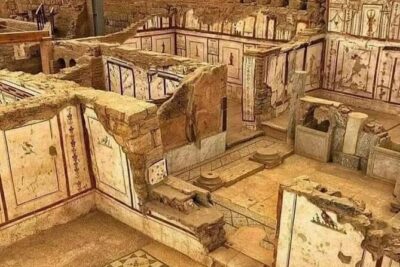
The route also allows an optional premium upgrade to the Terrace Houses. These were the lavish homes of wealthy Ephesians, with mosaics and frescoes that reveal how the elite lived. If you care about domestic life, decoration and social class, this is likely the most worthwhile add-on. If your day is already feeling rushed, you may prefer to keep moving through the main site.
The Ephesus section is where a guide earns the fee. Without context, you can admire columns and take photographs. With a good explanation, you begin to understand how streets, theatres, homes and civic buildings worked together. The guides praised in the feedback, including Volkan and Olkan, were especially valued for answering questions and explaining the origins of each place.
Priene: A Hilltop Lesson in City Planning
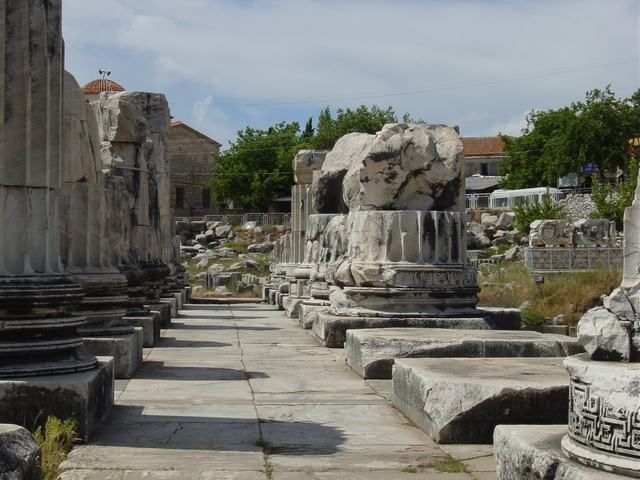
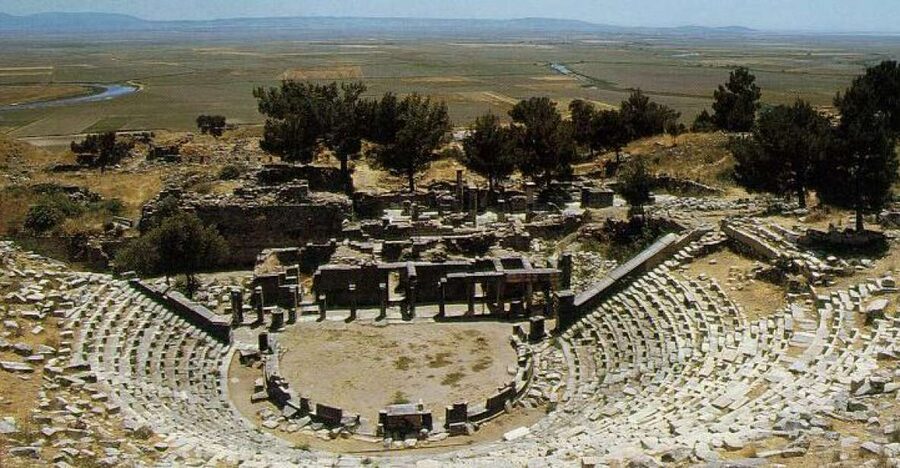
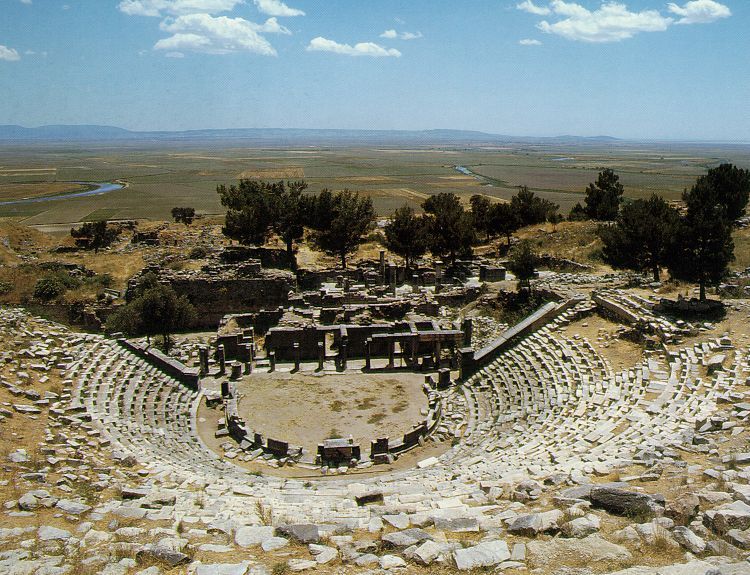
Priene feels very different from Ephesus. Rather than a huge Roman center, it is a hill city shaped by a carefully ordered Hellenistic plan. Its streets follow a grid, and that layout is often linked to the city-planning ideas associated with Hippodamus.
The climb is part of the appeal and part of the warning. You should expect uneven surfaces and some uphill walking. In return, the higher position gives you broad views toward the Meander River delta. The view helps explain both the city’s appeal and its strategic position.
The Temple of Athena Polias is the main architectural focus. Its remaining columns and stonework show the clean proportions of Ionian design, while the surrounding ruins reveal how an organized city was arranged around its public spaces.
Priene is a good example of why this tour is not simply Ephesus plus three filler stops. The ruins are less complete, but the plan of the city is unusually easy to read. I find that useful because you can see the logic of streets and buildings rather than only isolated monuments.
The drawback is that Priene may be challenging if you have limited mobility. The experience is built around walking over ancient surfaces and gaining height for the views. Wheelchair users should not book this tour, and anyone with knee or balance problems should ask the operator about the walking conditions before paying.
A completely different kind of day out:
- PRIVATE NO HIDDEN FEES Ephesus, Mary’s House Guided Tour /GRP OPT
★ 5.0 · 2,455 reviews - For Ship Guests:BEST SELLER EPHESUS PRIVATE TOUR & On Time Return
★ 5.0 · 2,029 reviews - ALL INCLUDED: Ephesus Ruins, Mary’s House Tour incl ENTRY TICKETS
★ 5.0 · 1,670 reviews - Ephesus Temple of Artemis and House of Mary Private Half Day Tour
★ 5.0 · 1,573 reviews
Miletos: Where Trade Met Philosophy
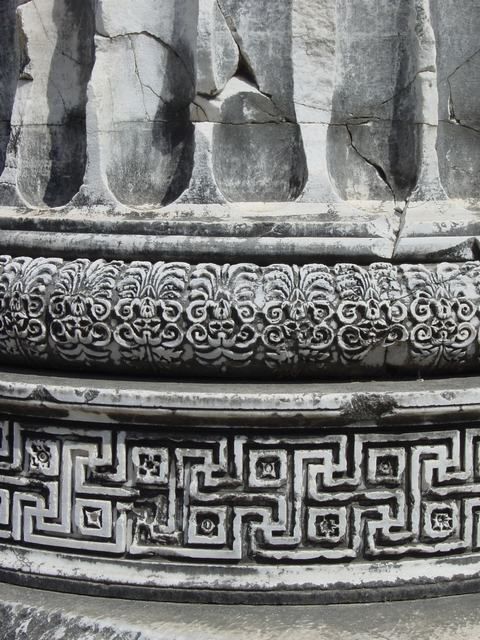
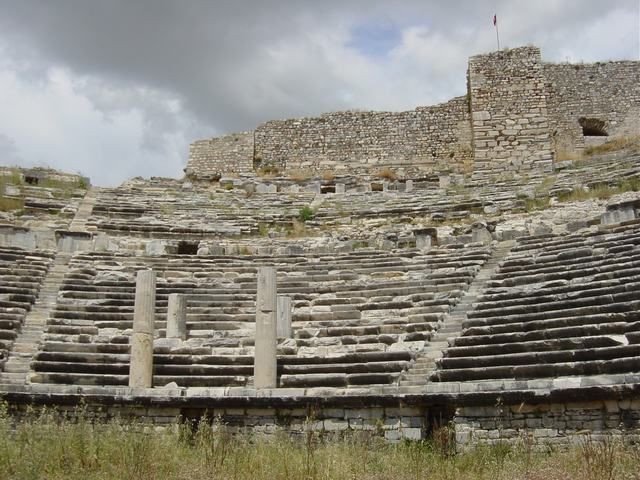
Miletos adds an intellectual and commercial layer to the day. It was a major maritime center and the birthplace of early Greek thinkers such as Thales and Anaximander. This is the place to listen closely if you enjoy the question behind the monument: how did people explain the world before later scientific methods and philosophical schools took shape?
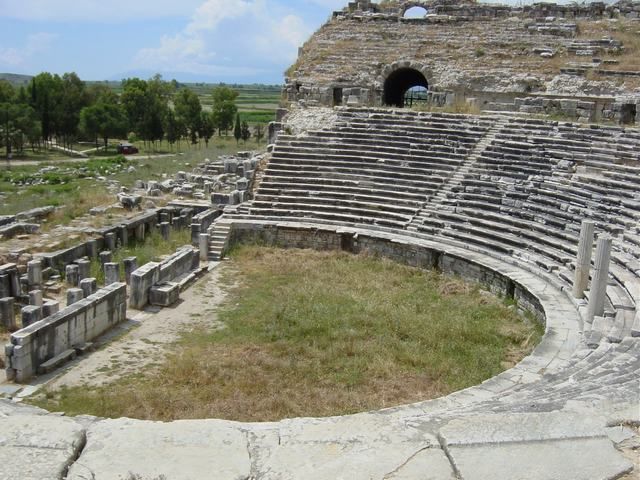
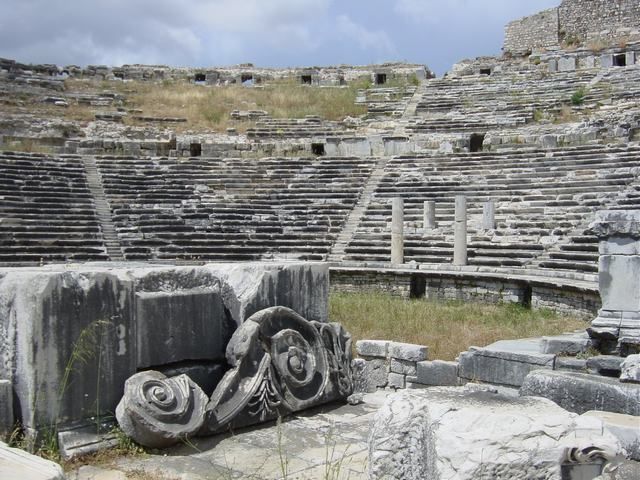
The theatre is the site’s most obvious large structure. It could hold about 15,000 people, a striking figure that gives you a sense of Miletos’ size and importance. Like the theatre at Ephesus, it served public life as well as entertainment.
The Baths of Faustina are another highlight. Built by Faustina, the wife of Emperor Marcus Aurelius, the complex remains unusually readable. The surviving rooms and architectural fragments help you picture the Roman habit of bathing as a public, social activity rather than a quick wash.
Miletos also had a large Agora, or marketplace. The ancient harbor has changed, but the ruins still point to the city’s role in Mediterranean trade. Ships, merchants and goods once moved through this center. Today, the quiet setting can make that former activity difficult to picture without a guide’s help.
I would treat Miletos as a stop where storytelling matters more than perfect preservation. Some areas may feel sparse compared with Ephesus. That is not a reason to skip it. It is the setting for the story of a city whose influence reached through commerce, urban design and philosophy.
Didyma: Ending at the Temple of Apollo
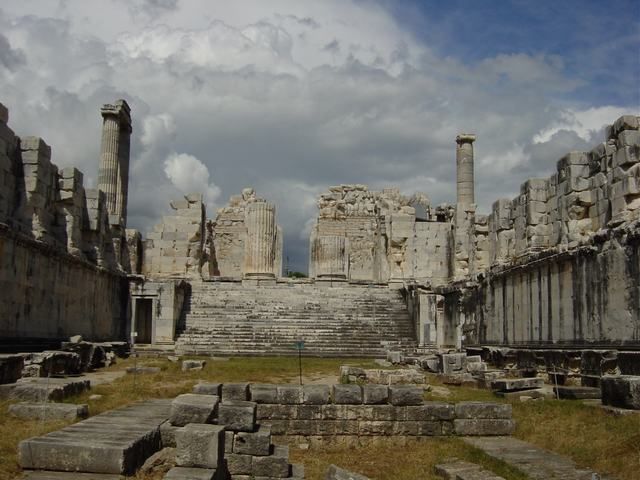
Didyma is a sanctuary rather than a city, and its Temple of Apollo provides the day’s most dramatic final image. The temple was planned on a massive scale, with towering columns and an approach connected to a Sacred Way.
Three large, fluted columns still rise at the site. They are enough to show the ambition of the original project, even though the temple was never fully completed in the form intended. The remaining stonework creates a powerful contrast between human ambition and time.
Didyma was also known for its oracle, which rivaled Delphi in reputation. Pilgrims came seeking answers about decisions that could affect rulers and states. Your guide can connect the temple’s architecture with that religious role, explaining why a sanctuary needed such a grand approach and ceremonial setting.
This final stop gives the itinerary a different mood. Ephesus is about city life and Roman administration. Priene is about planning. Miletos is about trade and thought. Didyma is about belief, ritual and the desire to know what comes next.
You will want your camera here, but do not let photography end the visit too quickly. Look at the scale of the columns, the long route toward the sanctuary and the difficulty of imagining the temple complete. It is one of those places where the unfinished state is part of the story.
What the Guide and Driver Add
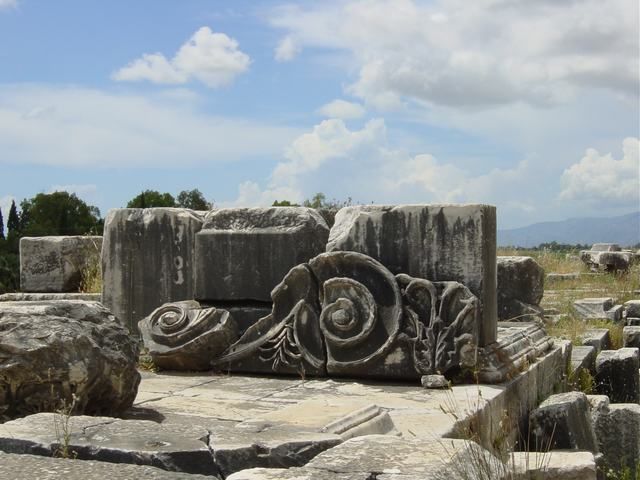
The tour’s strongest human element is the guide. The highest praise has focused on guides who explain the major points at every site, answer questions, and adjust the pace when needed. Volkan was described as highly engaged and able to connect the Aegean sites with a wider story reaching back to ancient Anatolia and even Göbekli Tepe.
Another account names Olkan as the guide. The spelling may vary by guide or booking record, so do not assume you will have one particular person unless the operator confirms it. The important point is the style of service: clear explanations, personal attention and a willingness to adapt.
The live guide option is advertised in Spanish, English, Italian, Dutch, Greek, German, French and Russian. The included information also specifically lists English, German, French and Dutch. Confirm your preferred language before booking, especially if it is important for your group.
A private group is useful here because the four sites are not equal in size or walking demand. You may want extra time at Ephesus, a shorter stop at one of the smaller ruins, or help choosing the Terrace Houses upgrade. A flexible guide can make those decisions with you.
Is $210 a Fair Price?
At $210 per person, this is not the cheapest way to see Ephesus. The value comes from what is bundled into the day: a private group, air-conditioned luxury transport, a professional driver, a licensed guide, pickup and drop-off, and entrance fees for four archaeological sites.
If you visited independently, you would still need to arrange transport between widely separated places. That can become awkward when you add entrance costs and the challenge of fitting four sites into one day. The guide also supplies the historical framework, which is particularly useful at Priene, Miletos and Didyma, where the ruins are less immediately obvious than Ephesus.
The price makes the most sense for solo visitors, couples or small groups who want to cover a lot without managing the logistics themselves. A Brazilian solo visitor described the arrangement as a good time-saver and felt well looked after, including as a woman traveling alone.
It is less compelling if you only want a short Ephesus visit, if you dislike full days on the road, or if you want to explore each site at a slow pace. The tour sells breadth and convenience, not unlimited time.
What to Bring and How to Prepare
Wear comfortable shoes with secure soles. Priene involves a hill setting, and all four sites include ancient surfaces that may be uneven.
Bring a passport or ID card, sunglasses, a sun hat and a camera. Sun protection matters because the itinerary spends much of the day outside. Personal items are not included, and no meals or drinks are specified, so plan accordingly without assuming they are part of the price.
This is not a wheelchair-friendly activity. If anyone in your group has limited mobility, ask detailed questions before booking rather than hoping the vehicle will solve the problem. The sites themselves determine much of the access.
Free cancellation is available up to 24 hours in advance for a full refund, and the reserve-now-pay-later option can help if your port schedule is still shifting. Check the available start times before you commit, since the schedule needs to fit your arrival or hotel plans.
Who Should Book This Tour?
I would choose this tour if you want one strong day focused on archaeology and ancient Aegean culture. It is especially well suited to people who want context, not just photographs, and to anyone who sees Ephesus as the beginning of the story rather than the whole story.
It also suits small private groups with mixed interests. The guide can explain Roman theatre life to one person, Greek philosophy to another and religious ritual to someone else. The vehicle and private format make the long route easier to manage.
I would hesitate if your priority is a relaxed holiday pace. Four sites mean four rounds of walking, orientation and photographs, with driving between them. Families with very young children, people who struggle in heat, or anyone needing step-free access should consider a shorter option.
Final Verdict: A Big Ancient Aegean Day
Book this tour if you want the widest historical sweep from Kusadasi and accept a brisk pace. Ephesus gives you the headline monument, but Priene, Miletos and Didyma are what make the day distinctive.
The strongest reasons to go are the private transport, included site fees, adaptable guiding and the chance to reach places that many short excursions leave out. The main compromise is physical and mental: eight hours is a lot of ruins.
For an archaeology-minded visitor, $210 is a reasonable price for four sites with transport and expert help. If you prefer slow meals, long independent walks and plenty of spare time, choose fewer sites. If you want to see where Roman citizens gathered, Greek philosophers taught and pilgrims sought prophecy, this is a very efficient day.
FAQ
How long does the tour last?
The tour lasts eight hours.
Where does pickup take place?
Pickup and drop-off are available at Kusadasi port or local hotels. Pickup information also includes hotels in Aydin and Izmir.
Is this a private tour?
Yes. The tour is operated for a private group.
Are entrance fees included?
Yes. Entrance fees for Ephesus, Priene, Miletos and Didyma are included according to the planned itinerary.
Is transportation included?
Yes. The tour includes an air-conditioned luxury vehicle and a professional driver.
Which languages are available?
Live guiding is advertised in Spanish, English, Italian, Dutch, Greek, German, French and Russian. The included information specifically lists English, German, French and Dutch, so confirm your preferred language when booking.
What should I bring?
Bring a passport or ID card, comfortable walking shoes, sunglasses, a sun hat and a camera.
Is the tour suitable for wheelchair users?
No. The activity is not suitable for wheelchair users.
Just added in Kusadasi
- Ephesus Ancient City Highlight Tour For Cruisers★ 4.8 · 35 reviews
- Shore Excursions: Half Day Ephesus & Şirince Village Tour★ 4.9 · 39 reviews
- Kusadasi: Ephesus and Artemis Skip-the-line Small Group Tour★ 4.9 · 113 reviews
- From Kusadasi Port: Ephesus Full-Day Private Trip★ 4.9 · 20 reviews
- Private Tour in Ephesus and TraditionalTurkishBath from Port★ 4.7 · 22 reviews
- Kusadasi: Ephesus, Mary’s House, Artemis 4 to 6 hours Tours★ 4.7 · 219 reviews
- Ephesus: Half-Day Tour from Kusadasi★ 4.1 · 39 reviews
- Private Ephesus, Terrace Houses & Sirince Village Tour★ 5.0 · 30 reviews
Ancient Sites and Ruins, compared.
FOR CRUISERS: Skip The Lines PRIVATE EPHESUS TOUR &On Time Return
Read our review →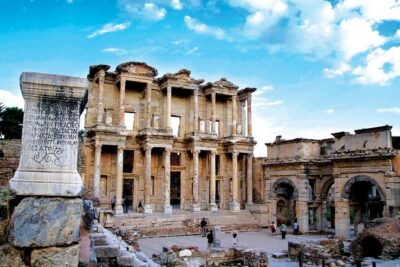
Top Choice For Cruisers: Ephesus, Mary’s House WITH TICKETS+LUNCH
Read our review →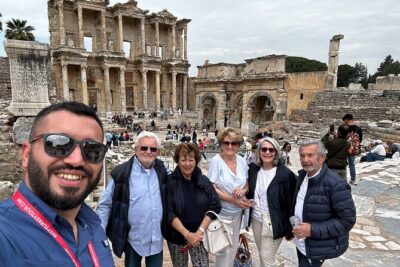
PRIVATE EPHESUS TOUR FOR CRUISERS: On-time Return and Skip-Line
Read our review →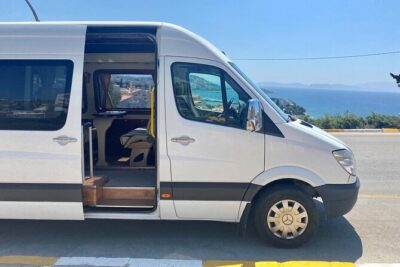
PRIVATE NO HIDDEN FEES Ephesus, Mary’s House Guided Tour /GRP OPT
Read our review →
Pamukkale Hierapolis and Cleopatra’s Pool Tour with lunch from Antalya
Read our review →For Ship Guests:BEST SELLER EPHESUS PRIVATE TOUR & On Time Return
Read our review →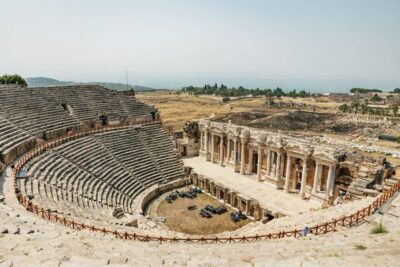
ALL INCLUDED: Ephesus Ruins, Mary’s House Tour incl ENTRY TICKETS
Read our review →Browse the lists this tour appears in