
Reviewed · ANCIENT SITES AND RUINS
From Istanbul: 2 Days Private Pamukkale and Ephesus Tour
Two ancient wonders, one busy weekend. This private two-day trip links Ephesus and Pamukkale with domestic flights, hotel transfers, and a licensed guide, saving you the trouble of arranging several moving parts. I especially like the door-to-door transport and the chance to see both the Roman ruins at Ephesus and the white terraces of Pamukkale in one short trip.
The guides are another strong point. Cetin, Bilal, and Cargi, also written as Char, have received praise for clear explanations, local knowledge, and steady communication. The main drawback is the pace: flights and long sightseeing days leave little room for wandering, and entrance fees, dinner, gratuities, and Cleopatra’s Pool are extra.
In This Review
- Key points to know before booking
- Why this two-day route works from Istanbul
- Day one: from Istanbul to the white terraces
- Walking Pamukkale without shoes
- Hierapolis, a Roman city above the springs
- The overnight stay in Kusadasi
- Day two: entering ancient Ephesus
- The House of Mother Mary and the Temple of Artemis
- Lunch, local crafts, and the return flight
- The guides make the difference
- What the $350 price really covers
- Who should book this tour?
- Should you book it?
- FAQ
- Is the tour private?
- Are domestic flights included?
- Is hotel pickup provided in Istanbul?
- Is accommodation included?
- Are entrance fees included?
- Which languages are available for the guide?
Key points to know before booking
- Pamukkale requires bare feet on the terraces: Bring swimwear, a towel, sunscreen, and a change of clothes if you plan to enter the warm water.
- Ephesus is the historical centerpiece: The Library of Celsus, Great Theatre, and Temple of Hadrian give you the strongest sense of ancient city life.
- The trip includes domestic flights: Airport transfers and airfares are arranged, which removes much of the planning burden.
- You sleep in Kusadasi: The included night places you near the Aegean coast, with some bookings using Efe Boutique Hotel and its sea view.
- Lunch on day two includes a handicraft stop: You eat at a local handicraft center, then see Turkish handmade goods afterward.
- The schedule can change: Flight times determine the order of visits, so keep the first and second days flexible.
Why this two-day route works from Istanbul
Istanbul is a superb base, but Ephesus and Pamukkale are too far away for a sensible day trip by road. This tour solves that problem with a flight to Denizli, a drive to Pamukkale, an overnight stay in Kusadasi, and a return flight from Izmir.
That structure gives you two major sights without asking you to spend endless hours on a bus. You still have early starts, transfers, and a tightly planned schedule, but the domestic flights make the route practical for a short stay in Turkey.
At $350 per person, the value depends on how much you value convenience. The price covers hotel pickup and drop-off, airport transfers, two domestic flights, one night with breakfast, two lunches, and a private licensed guide. You pay separately for museum entrances, dinner, gratuities, personal spending, and Cleopatra’s Pool.
A self-planned trip might cost less if you find cheap flights and basic transport. But you would need to coordinate Istanbul airport transfers, flights, Denizli transport, Pamukkale sightseeing, a transfer to Kusadasi, Ephesus transport, and the return from Izmir. For a short visit, the time saved can justify the price.
More Ancient Sites and Ruins in Istanbul
- Troy: Full-Day Tour from Istanbul
★ 4.7 · 312 reviews - Istanbul to Gallipoli, Canakkale and Troy. 2 Day Tour with Hotel
★ 5.0 · 144 reviews - 4 Days Turkey Tour – Cappadocia, Ephesus and Pamukkale Tour
★ 5.0 · 138 reviews
Day one: from Istanbul to the white terraces
Your day begins with pickup from your Istanbul hotel lobby and transfer to the airport. The exact flight timing affects the rest of the schedule, so do not assume every departure follows the same order.
You fly to Denizli, where your guide meets you for the drive to Pamukkale. The transfer is an important part of the arrangement. Rather than finding a taxi or bus after landing, you move directly into the sightseeing portion of the day.
The guide is central to the experience. A good guide helps you understand why the place looks the way it does, how the ancient city used the thermal springs, and how to read the ruins scattered above the terraces. Past guests have especially praised guides such as Cetin, Bilal, and Cargi for clear historical explanations and good communication about transport.
Walking Pamukkale without shoes
Pamukkale means cotton castle, a fitting name for the bright mineral terraces that spread down the hillside. Thermal water has deposited minerals over time, creating white pools and ridges that look almost artificial from a distance.
You remove your shoes before walking along the designated terrace route. The warm water and uneven surface make comfortable footwear important for the approach, while the bare-foot section calls for care. Bring sunglasses and a hat because the pale surface reflects strong sunlight.
The terraces are beautiful, but you should set realistic expectations. Water levels can vary, and not every pool will look equally full. The experience is less about swimming in a giant natural bath and more about slowly walking through an unusual geological formation with warm water underfoot.
Pack swimwear, a towel, sunscreen, and a change of clothes if you want to get wet. These items are specifically useful here, even though the tour does not include the entrance charge for Cleopatra’s Pool. That pool is a separate paid option, so budget for it if bathing in the ancient spring matters to you.
The walk can be tiring in hot weather. Take your time, protect your skin, and keep your camera secure around the water. The pale terraces are especially striking in photographs, but the strongest impression comes from feeling the warm spring water and seeing the mineral deposits at close range.
Hierapolis, a Roman city above the springs
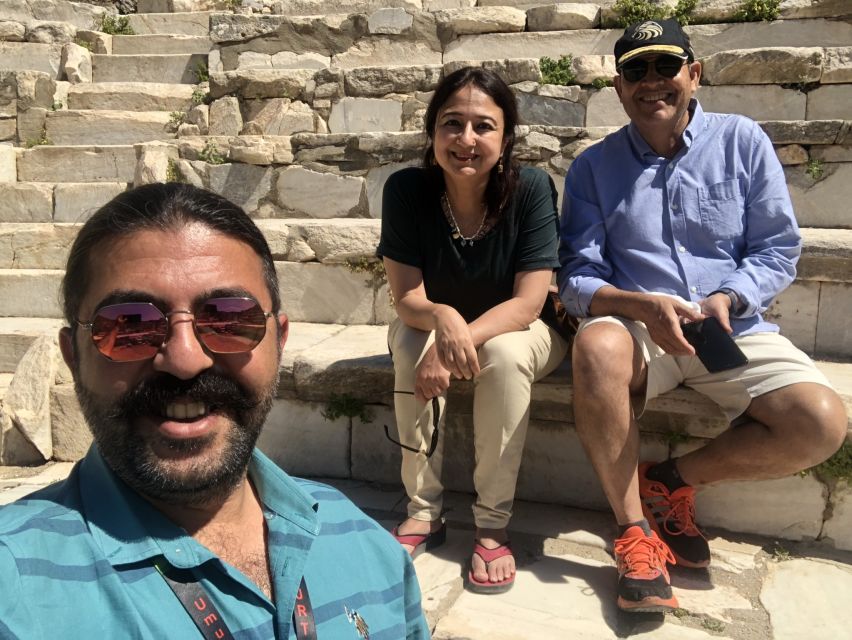
At the top of Pamukkale sits Hierapolis, an ancient Roman city that grew around the thermal waters. Here, the natural feature and the archaeological site belong together. The springs attracted people for health, bathing, and religious reasons, while the city developed with theaters, streets, tombs, and public buildings.
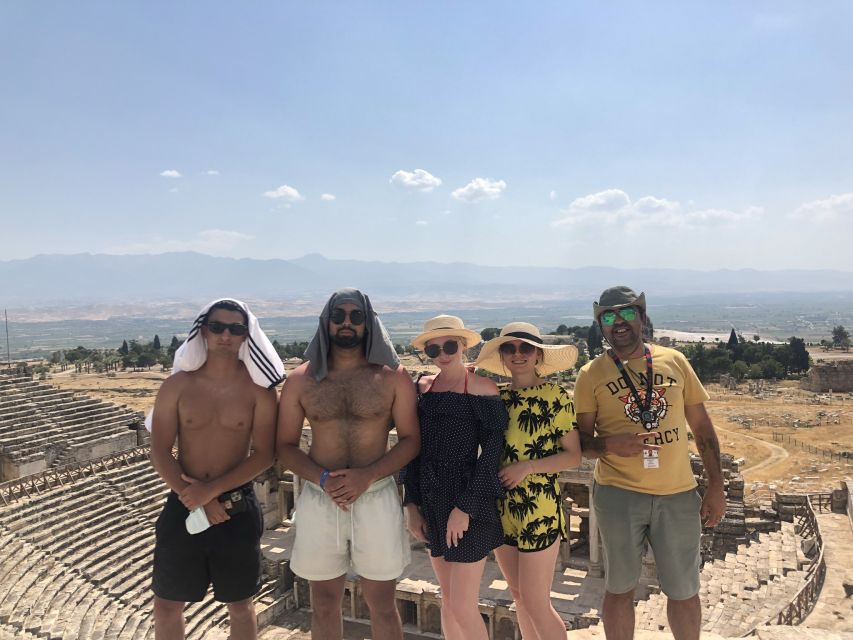
The Roman theater is one of the key sights. Its scale helps you picture Hierapolis as a functioning city rather than a collection of isolated stones. Your guide can add the political, religious, and daily-life context that signs alone often fail to provide.
The necropolis gives the site a more somber character. Tombs line the ancient route outside the city, showing how important Hierapolis was as a place of healing and as a destination connected with death and burial.
You may also visit the ancient pool known as Cleopatra’s Pool. The tour information lists this as an optional expense, so the pool entrance is not included in the $350 price. If you decide to enter, swimwear and a towel are useful. If not, the terraces and Hierapolis still make a substantial first day.
Lunch is included during the day. The meal is a helpful break between outdoor sightseeing stops, though you should remember that dinner is not included after you reach Kusadasi.
A completely different kind of day out:
- Istanbul: Bosphorus Dinner Cruise & Show with Private Table
★ 4.8 · 44,561 reviews - Istanbul: Daytime or Sunset Sightseeing Cruise & Audio Guide
★ 4.8 · 14,430 reviews - Istanbul: Bosphorus Dinner Cruise with Turkish Night Show
★ 4.8 · 10,127 reviews - Best of Istanbul 1, 2 or 3-Day Private Guided Istanbul Tour
★ 5.0 · 8,922 reviews
The overnight stay in Kusadasi
After Pamukkale and Hierapolis, you are transferred to your hotel in Kusadasi. This avoids returning to Istanbul and places you in the right part of the Aegean region for the next morning’s visit to Ephesus.
The overnight stay includes breakfast. One booking used Efe Boutique Hotel, where the room had a sea view and the breakfast was considered decent. The exact hotel arrangement may depend on availability, but the included night gives you a proper break instead of forcing the entire route into one exhausting day.
Kusadasi is also useful because it gives the route a coastal base. You should not expect a long free evening, however. The itinerary is built around two major archaeological sites and flights, not extended time for nightlife or independent exploration.
Day two: entering ancient Ephesus
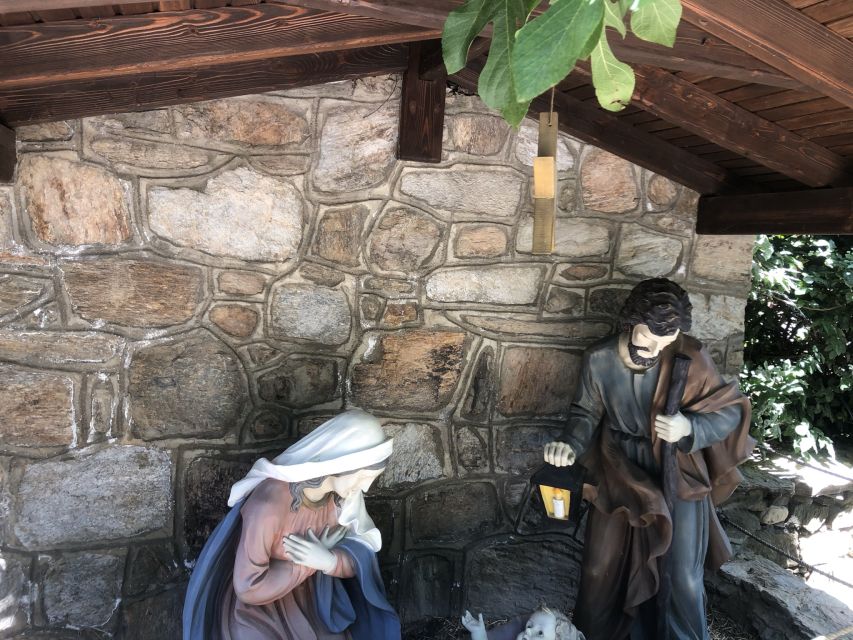
After breakfast, you head to Ephesus. This is likely to be the most rewarding stop for anyone interested in ancient cities, Roman architecture, or early Christian history.
Ephesus was once a major city, and its surviving streets and buildings make it easier to imagine urban life than at many scattered ruins. Your guide can explain how the public spaces worked and why the city became so important.
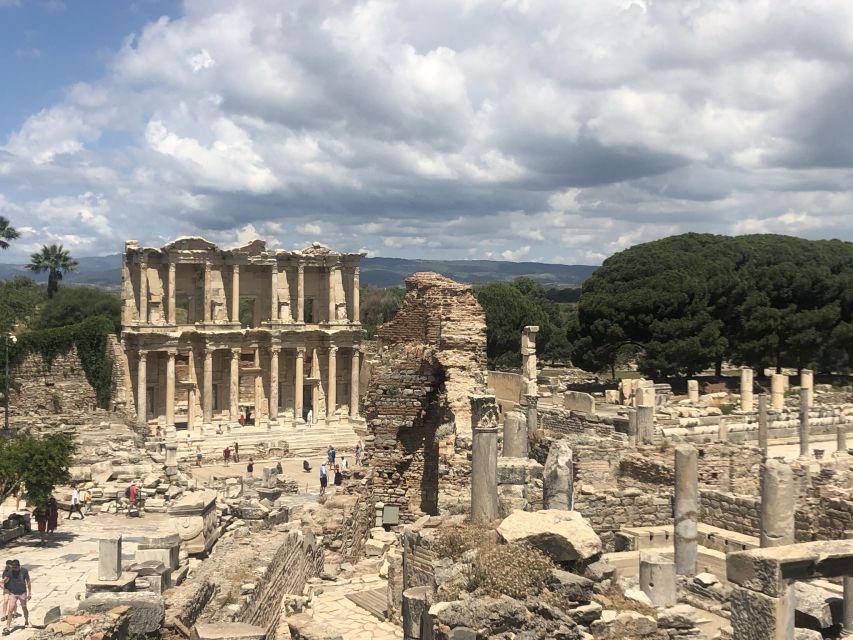
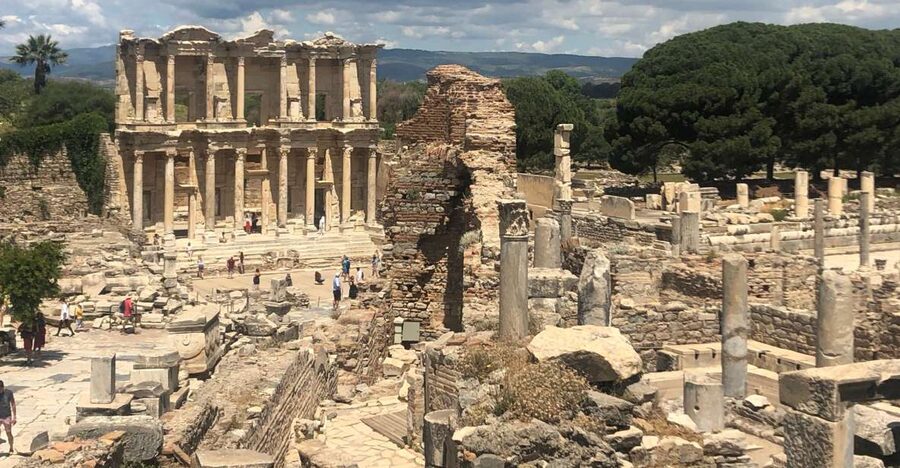
The Library of Celsus is the famous image from Ephesus, with its restored facade and tall columns. It was built as a monumental library and a memorial. The facade is the obvious photograph, but look beyond the front. The surrounding street and public buildings show how the library fitted into the city’s wider civic design.
The Great Theatre gives you a sense of scale. It was not a small neighborhood venue. Standing inside it, you can see how public entertainment, speeches, and civic gatherings shaped city life. The theatre also helps you understand the size of Ephesus at its height.
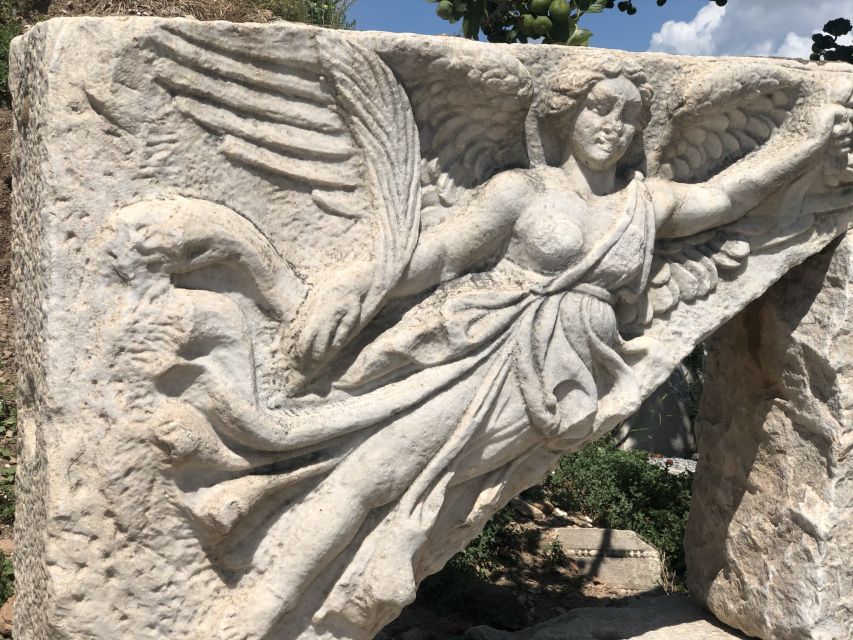
The Temple of Hadrian adds another layer of Roman decoration and imperial culture. Your guide’s explanation matters here because many ruins can look similar after a few hours. The best part of a private tour is being able to ask why a particular column, relief, or street mattered instead of simply walking past it.
Wear comfortable shoes. Ephesus involves walking over ancient surfaces, and the route can feel exposed in strong sun. Sunglasses, a hat, water, and sunscreen are practical choices, not packing suggestions to ignore.
The House of Mother Mary and the Temple of Artemis
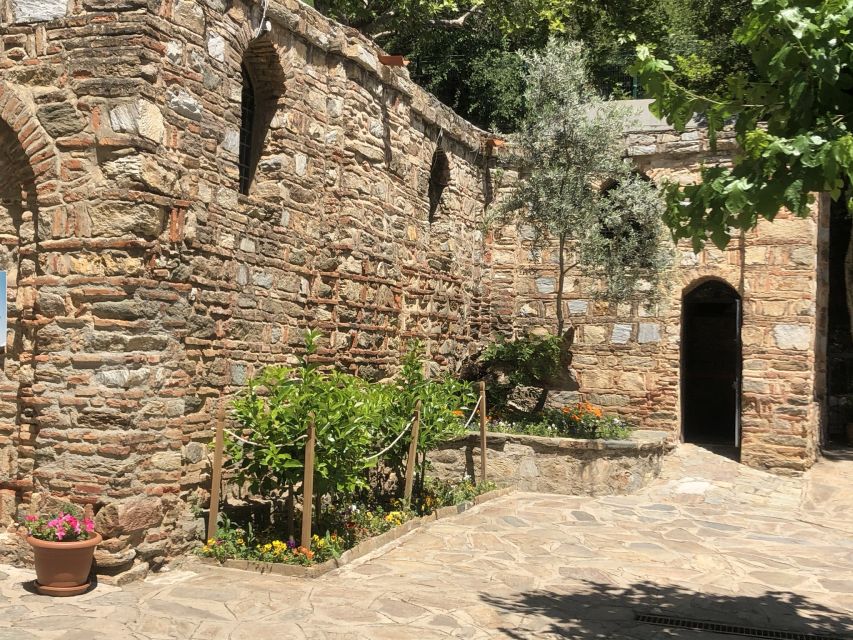
The House of Mother Mary is presented as a sacred site believed to be the final home of the Virgin Mary. It has a quieter tone than Ephesus, with the focus on pilgrimage and reflection rather than monumental architecture.
You should approach this stop with the right expectation. It is a religious site connected to belief and tradition, not a place where the historical claim can be treated as proven fact. The value comes from its spiritual importance, peaceful setting, and role in Christian pilgrimage.
The Temple of Artemis is a different kind of visit. It was one of the Seven Wonders of the Ancient World, but little remains today compared with the grand structure described in ancient accounts. You see remnants rather than a complete temple.
That contrast is useful. Ephesus gives you substantial ruins, while the Temple of Artemis asks you to imagine the scale and fame of a building that has largely disappeared. Your guide can explain why the temple mattered and how its reputation survived despite the limited remains.
Lunch, local crafts, and the return flight
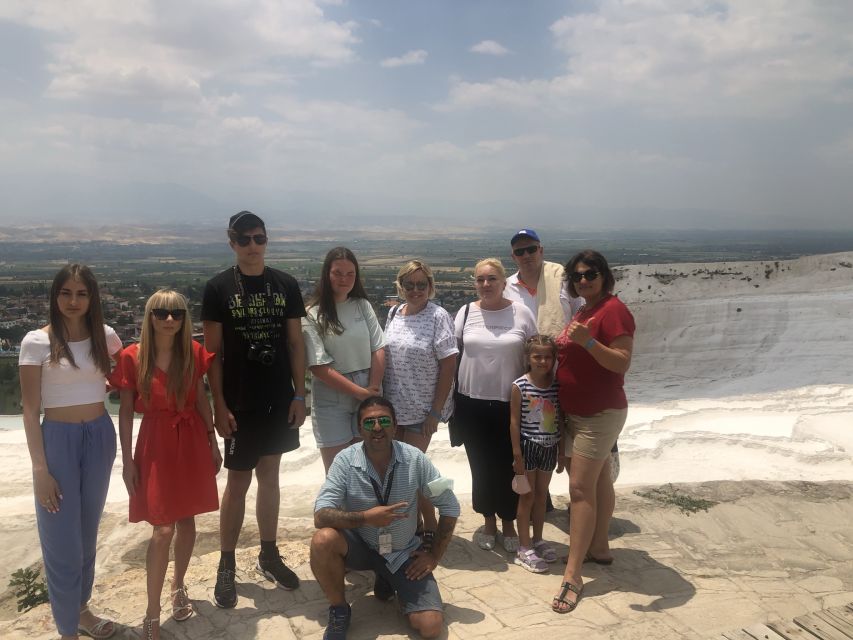
Lunch on the second day is served at a handicraft center. After eating, you see Turkish handmade crafts. This adds a commercial stop to the archaeological day, so it will not appeal equally to everyone.
If you enjoy local craft traditions or want to browse for a gift, the stop can be worthwhile. If you prefer uninterrupted time at ancient sites, remember that part of the afternoon is allocated here. Since the tour is private, you may have more room to discuss timing with the guide, but the flight schedule still controls the day.
The tour then takes you to Izmir Airport for the return flight to Istanbul. On arrival, a transfer brings you back to your hotel. That final transfer is a major convenience after two long days, especially if you are carrying luggage or arriving late.
One practical warning comes from the transport arrangements. Some transfer drivers may not speak English, and one booking found mobile internet and a translation app useful when confirming hotel details. Keep your phone charged, have your hotel name and address available, and check that the driver has the correct pickup information.
The guides make the difference
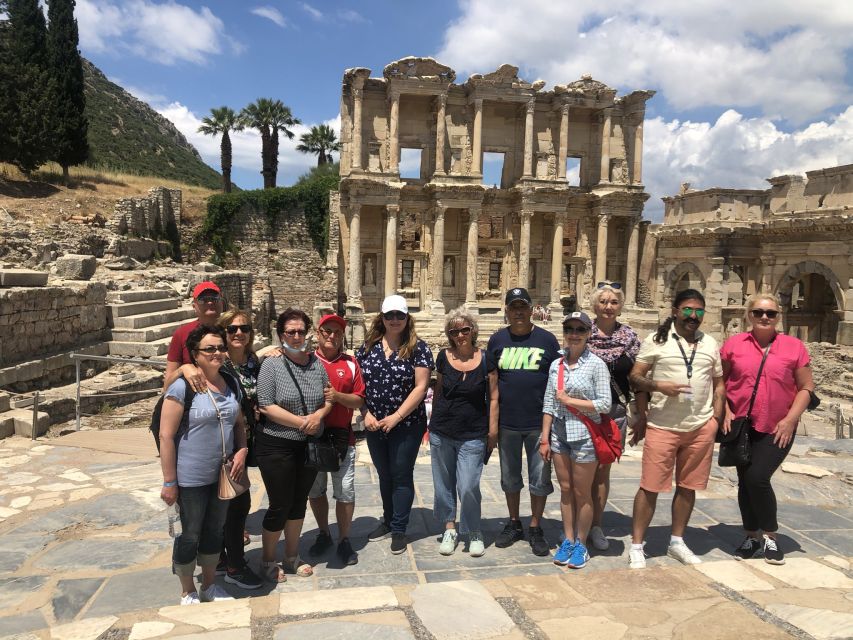
The strongest praise is directed at the guides. Cetin is described as friendly, clear, and able to answer questions about both the sites and the surrounding area. Bilal received similar praise for explaining history and local culture, while Cargi, also written as Char, brought personal knowledge from the region.
That matters because this itinerary covers geology, Roman archaeology, religious tradition, and Turkish craft culture in only two days. Without a good guide, the tour could become a fast sequence of photo stops. With a strong guide, the ruins and terraces make more sense.
The private format is another advantage. You are not tied to a large group’s questions or pace. A family with teenagers found the arrangement comfortable, and one private booking included extra stops because the schedule allowed it. Do not assume unlimited flexibility, though. The flights and airport deadlines remain fixed.
English and Spanish guiding are available. Wheelchair accessibility is also listed, but Pamukkale’s uneven terrace route and the ancient ruins may still require you to confirm exactly which sections are suitable for your needs before booking.
What the $350 price really covers
The price is best understood as a transport and coordination package with sightseeing included, not as an all-inclusive holiday.
Included:
- Hotel pickup and drop-off in Istanbul
- Domestic flights
- Airport transfers
- One hotel night with breakfast
- Two lunches
- A professional licensed guide
- Private group arrangements
Not included:
- Entrance fees to museums and archaeological sites
- Cleopatra’s Pool entrance
- Dinner
- Gratuities
- Personal expenses
The entrance fees are the biggest budget detail to check before departure. The tour price does not cover them, and Cleopatra’s Pool costs extra as well. Ask for the current total if you want a precise trip budget, since admission prices can change.
The included lunches add real value, particularly because they keep the day moving. On day two, the meal at the handicraft center also connects lunch with the craft stop, which may be convenient but is worth knowing in advance.
Who should book this tour?
I would choose this for you if you have limited time in Istanbul and want to see the Aegean region without planning every flight and transfer yourself. It suits families, couples, and private groups that prefer a guide and a set plan.
It is also a good match if Ephesus is a major priority. The Library of Celsus and Great Theatre are the strongest historical sights, while Pamukkale provides a striking change from columns and marble streets.
I would hesitate if you want slow, independent sightseeing. Two days is enough to see the major stops, but not enough to linger everywhere. You should also be comfortable with early transfers, outdoor walking, and costs that continue beyond the advertised price.
The tour has earned a 4.8 rating from 23 reviews, with the most consistent strengths being guide quality, smooth transport, comfortable vehicles, included flights, and the Kusadasi hotel. Those are exactly the areas that can make or break a short multi-stop trip.
Should you book it?
Book this tour if convenience matters as much as the sights. The route is smart, the private guide format gives you personal attention, and the combination of Pamukkale, Hierapolis, and Ephesus would be difficult to arrange neatly in two days.
Before paying, confirm the flight times, hotel name, entrance-fee total, and whether you want Cleopatra’s Pool. Bring mobile internet or a translation tool for transfers, pack shoes and sun protection, and keep your schedule flexible because the order of visits can change.
For a fast but meaningful look at Turkey’s Roman ruins, thermal terraces, and Aegean culture, this is a strong use of two days.
FAQ
Is the tour private?
Yes. The experience is arranged for a private group rather than a shared group.
Are domestic flights included?
Yes. The price includes domestic flight tickets, along with airport transfers.
Is hotel pickup provided in Istanbul?
Yes. Pickup and return transfer are provided from your hotel lobby in Istanbul.
Is accommodation included?
Yes. One night of accommodation in Kusadasi is included, with breakfast.
Are entrance fees included?
No. Museum and archaeological site entrance fees are separate. Cleopatra’s Pool in Pamukkale also requires an additional payment.
Which languages are available for the guide?
Live guiding is available in English and Spanish.
Just added in Istanbul
- Private Tour: Istanbul’s Ottoman Experience Including Topkapi Palace and Blue Mosque★ 4.5 · 16 reviews
- Private Customizable Istanbul Day Tour with Licensed Guide★ 5.0 · 64 reviews
- IstanbulBasilicaCistern/fastEntranceEnglish/Spanish (not tickets)★ 4.0 · 184 reviews
- Private istanbul tour with transportation★ 5.0 · 36 reviews
- Private Old City Guided Tour★ 5.0 · 129 reviews
- Private Princes’ Islands Tour★ 5.0 · 56 reviews
- Private Bosphorus Cruise and Egyptian Bazaar with Motor Yacht★ 4.0 · 24 reviews
- Istanbul Private Tour Designed for Layover Flight, Transfer incl.★ 5.0 · 164 reviews
Ancient Sites and Ruins, compared.
FOR CRUISERS: Skip The Lines PRIVATE EPHESUS TOUR &On Time Return
Read our review →
Top Choice For Cruisers: Ephesus, Mary’s House WITH TICKETS+LUNCH
Read our review →
PRIVATE EPHESUS TOUR FOR CRUISERS: On-time Return and Skip-Line
Read our review →
PRIVATE NO HIDDEN FEES Ephesus, Mary’s House Guided Tour /GRP OPT
Read our review →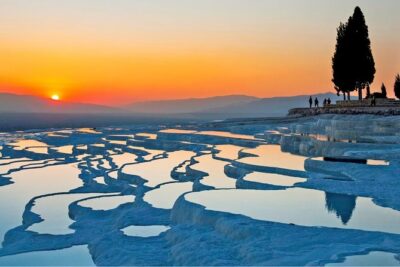
Pamukkale Hierapolis and Cleopatra’s Pool Tour with lunch from Antalya
Read our review →For Ship Guests:BEST SELLER EPHESUS PRIVATE TOUR & On Time Return
Read our review →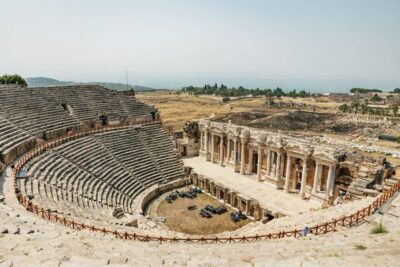
ALL INCLUDED: Ephesus Ruins, Mary’s House Tour incl ENTRY TICKETS
Read our review →Browse the lists this tour appears in