

Reviewed · DAY TRIPS
From Istanbul: Gallipoli and Anzac Full-Day Tour
Gallipoli makes history feel startlingly close. This 15-hour journey from Istanbul takes you to the Dardanelles battlefields, Anzac Cove, Lone Pine, Chunuk Bair, military cemeteries, and Turkish memorials. It is a serious day, not a light sightseeing trip, but it gives you a clear sense of the campaign and the human cost on both sides.
I like the small group of up to 15 people, which makes it easier to hear the guide and move around the sites without the drag of a large coach party. I also like the hotel pickup and drop-off in central Istanbul, plus the comfortable air-conditioned minibus that makes the long road journey less tiring.
The main drawback is simple: this is a very long day. You leave around 6:00 to 7:00 AM, spend roughly five hours on the battlefield circuit, and may not return to Istanbul until about 11:00 PM. The optional breakfast costs extra, and lunch is practical rather than special, but the tour covers a great deal for $159.
In This Review
- Key points to know before booking
- Why Gallipoli is worth the long ride from Istanbul
- The early departure from Istanbul
- Eceabat lunch and the first view of the Dardanelles
- Kilitbahir Castle and the narrowest point
- Anzac Cove, Ariburnu, and the difficult landing beaches
- Lone Pine and Chunuk Bair
- The ANZAC Museum and the human story
- The guide makes or breaks the battlefield circuit
- Is $159 good value?
- Who should book this tour?
- Final verdict: book it for the meaning, not the ease
- FAQ
- How long does the Gallipoli tour from Istanbul last?
- What time is hotel pickup?
- Where does hotel pickup operate?
- Is breakfast included?
- Is lunch included?
- Which Gallipoli sites are visited?
- Is the tour suitable for wheelchair users?
Key points to know before booking
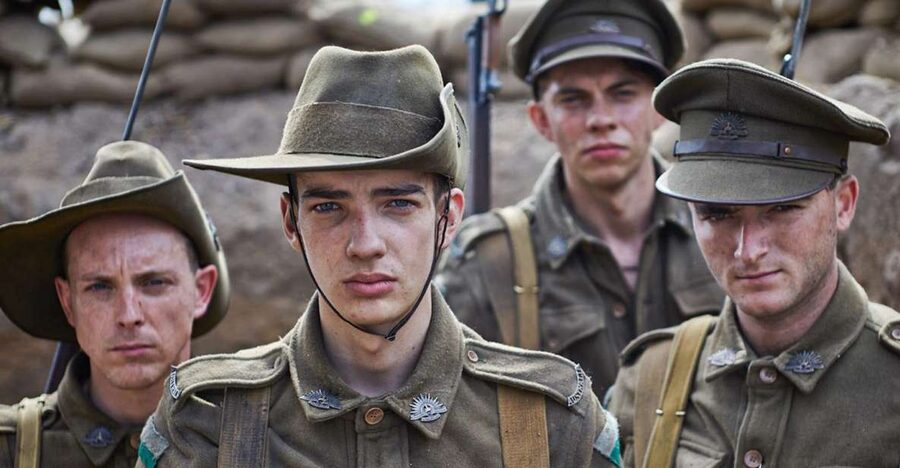
- Anzac Cove and Ariburnu Cemetery give you the clearest sense of where Australian and New Zealand troops came ashore.
- Lone Pine and Chunuk Bair bring the campaign’s best-known Australian and New Zealand memorial sites into one focused visit.
- Turkish and Anzac perspectives are both included, a real strength of guides such as Burak, Ibo, Charlie, and Ibrahim.
- Kilitbahir Castle adds an earlier chapter of Dardanelles history, dating from 1463.
- The day includes hotel transfers, lunch, entrance fees, and rest stops, but drinks and breakfast are extra.
- You need comfortable shoes and stamina, since this is a long day with repeated stops at open-air memorial and battlefield sites.
Why Gallipoli is worth the long ride from Istanbul
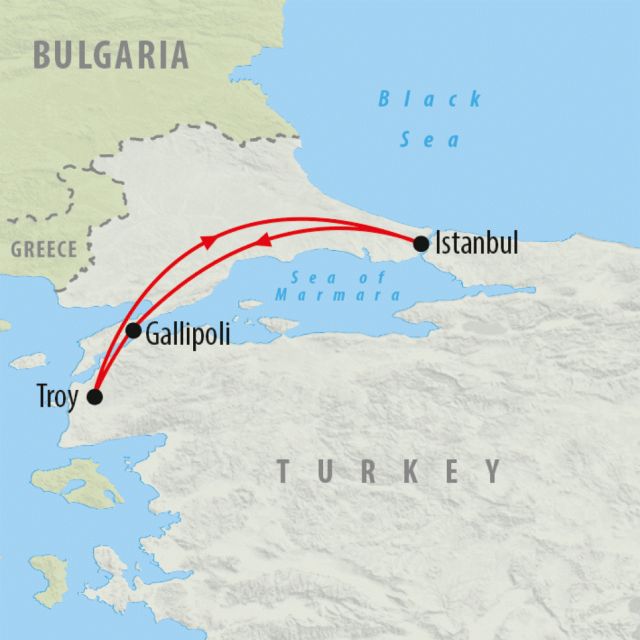
Gallipoli is not a quick add-on from Istanbul. The road trip takes several hours each way, and the total day runs to about 15 hours. Still, the distance is part of the experience. You leave the noise of Istanbul behind and gradually move toward the Dardanelles, the narrow waterway that gave the campaign its strategic importance.
The 1915 Gallipoli Campaign was an Allied attempt to force open a supply route to Russia. British Empire forces, including Australians and New Zealanders, landed alongside French troops and tried to push inland. Turkish forces defended the peninsula, and the campaign ended in an Allied withdrawal after months of brutal fighting.
I value this tour because the guide does not treat Gallipoli as only an Australian or New Zealand story. The better guides explain the Turkish defense as carefully as the Anzac landings. That balance came through strongly with guides including Burak, Ibo, Charlie, Bulent, Hassan, and Ibrahim. Names vary by departure, but the repeated praise is clear: the best part of the day is the guide’s ability to explain military movements, personal stories, maps, and the meaning of each memorial in fluent English.
This is also a place where geography matters. The beaches, ridges, gullies, and narrow approaches help explain why plans failed and why small areas became so fiercely contested. You do not need a military background to follow the story. A good guide turns the ground in front of you into a map of the campaign.
More Day Trips in Istanbul
- From Istanbul: Sapanca and Masukiye Day Trip with Lunch
★ 4.0 · 1,036 reviews - Istanbul: Best of The City Full-Day Tour with Transfers
★ 4.6 · 616 reviews - Istanbul to Gallipoli Full Day Tour with Lunch and Transfers
★ 5.0 · 567 reviews
The early departure from Istanbul
Pickup begins early, usually between 6:00 and 6:20 AM in Taksim and between 6:30 and 7:00 AM in Sultanahmet. Exact timing depends on your hotel and the morning route. Pickup is offered only from central hotels on the European side, including Sultanahmet, Laleli, Topkapı, Aksaray, Taksim, Sirkeci, and Şişli.
You should confirm the exact meeting point before departure. Some hotels may use a nearby meeting place, and there is no pickup service from Istanbul’s Asian side. This is one of the few practical details that can cause confusion if you do not check ahead.
The vehicle is an air-conditioned, nonsmoking coach or minibus. A small group limit of 15 is helpful here. You are spending many hours on the road, so a comfortable vehicle matters more than it would on a short city tour.
There is a breakfast stop around 9:30 to 10:00 AM. An open buffet breakfast is available at an additional charge, so bring some Turkish lira or confirm the current payment arrangements. The stop also gives you a chance to use the facilities and stretch your legs.
The journey is long enough that you should not plan another major activity for the evening. Bring water, sunglasses, and a camera. Large bags and luggage are not allowed, so pack lightly.
Eceabat lunch and the first view of the Dardanelles
After reaching Eceabat, you have lunch at a village restaurant with views toward the Dardanelles. Lunch is included in the price, which is useful after the morning drive. It is described as tasty and substantial by several people, though one practical complaint was the limited drink choice and a simple dessert, such as a tangerine.
Think of lunch as fuel, not a culinary highlight. The real value is the break before the battlefield portion begins. Drinks are not included, so budget separately if you want tea, soft drinks, or bottled water.
Eceabat is also a useful place to shift your mindset. The first part of the day is mostly transport. Once lunch is over, the tour becomes a concentrated history visit, with the guide explaining how the Dardanelles shaped the campaign.
Kilitbahir Castle and the narrowest point
The tour begins the historical circuit near the narrowest point of the Dardanelles. This is a sensible starting place because it shows why the straits mattered long before World War I.
Kilitbahir Castle was built by Fatih Sultan Mehmet in 1463 to protect the waterway. Its massive form gives you a visual reminder that control of the Dardanelles was a military concern centuries before the Gallipoli landings.
You may not spend a long time inside or around the fortress, since the main purpose of this stop is orientation. Even so, it adds welcome context. Gallipoli was not an isolated battlefield appearing out of nowhere in 1915. It was a strategic gateway with a long military past.
The guide’s opening explanation is especially useful if you have little background. Maps, photographs, and quotations are used by some guides to explain the ground and the campaign. That approach helps you understand what you are looking at instead of simply taking photographs of a castle and moving on.
A completely different kind of day out:
- Istanbul: Bosphorus Dinner Cruise & Show with Private Table
★ 4.8 · 44,561 reviews - Istanbul: Daytime or Sunset Sightseeing Cruise & Audio Guide
★ 4.8 · 14,430 reviews - Istanbul: Bosphorus Dinner Cruise with Turkish Night Show
★ 4.8 · 10,127 reviews - Best of Istanbul 1, 2 or 3-Day Private Guided Istanbul Tour
★ 5.0 · 8,922 reviews
Anzac Cove, Ariburnu, and the difficult landing beaches
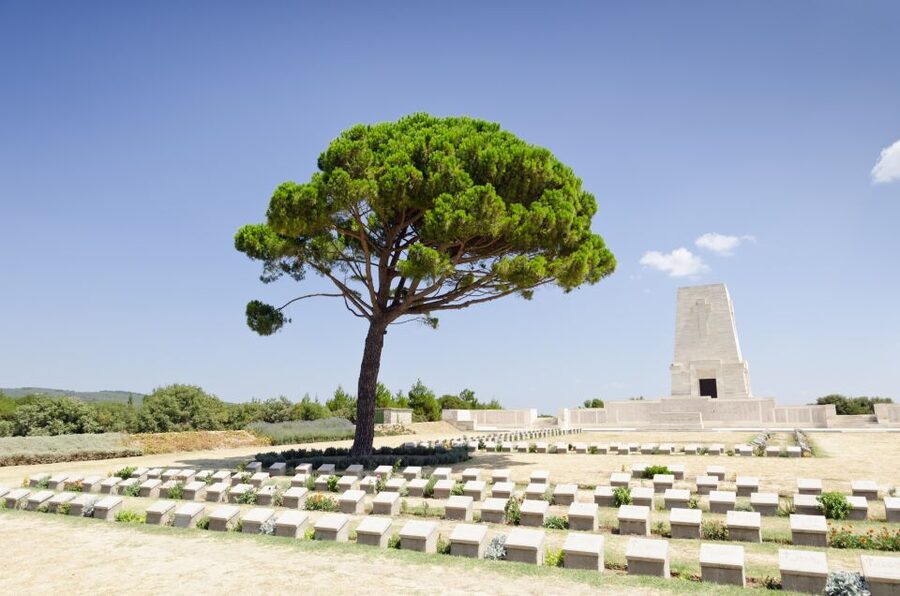
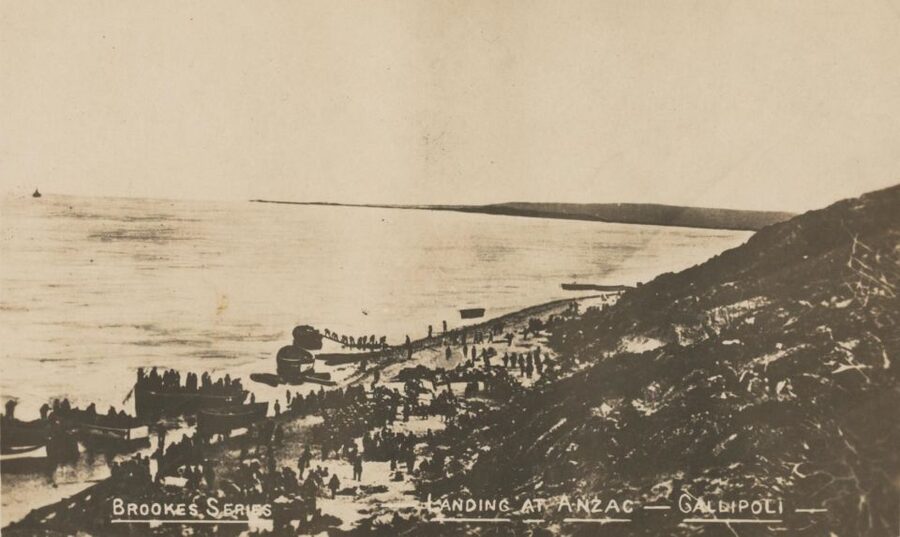
The battlefield section takes you to the landing beaches connected with the campaign. The most important stop for many Australians and New Zealanders is Anzac Cove, the narrow beach where Australian and New Zealand Army Corps troops came ashore and established their main base.
Standing at the cove makes the story more physical. The beach is not just a name from a schoolbook or annual ceremony. The surrounding slopes and ridges help you see the difficulties faced by troops trying to move inland from the shore.
Ariburnu Cemetery and the Anzac Commemorative Site add a quieter, more personal side to the visit. This is where the guide’s delivery matters. The strongest explanations connect the military plan with individual soldiers, including the famous story of John Simpson Kirkpatrick, remembered for carrying wounded men with his donkey. His grave is included among the places visited.
You should expect a respectful tone at the cemeteries and memorials. This is not a stop for loud group behavior or casual sightseeing. The subject is painful, and the best guides, including Burak and Hassan, are praised for balancing humor during the long day with care at sensitive sites.
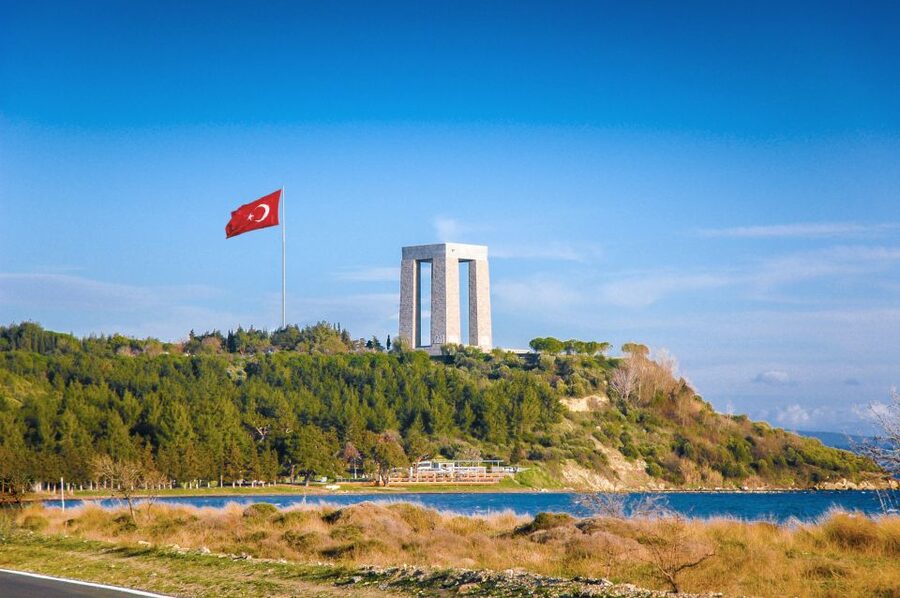
The tour also visits Turkish cannon batteries. These stops help correct a common imbalance in popular accounts of Gallipoli. You see the defensive position and hear about the Turkish response, rather than viewing the campaign only through the Anzac experience.
Lone Pine and Chunuk Bair
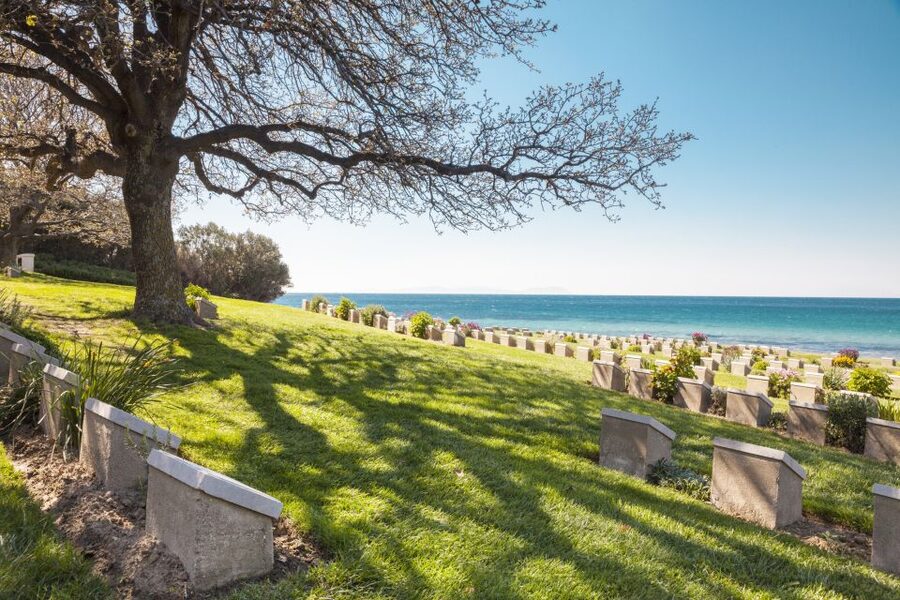
Lone Pine Australian Memorial is one of the tour’s major stops. It commemorates Australian forces and is closely tied to one of the campaign’s best-known battles. For Australian visitors, this can be the emotional center of the day, particularly if family service history is part of the reason for visiting.
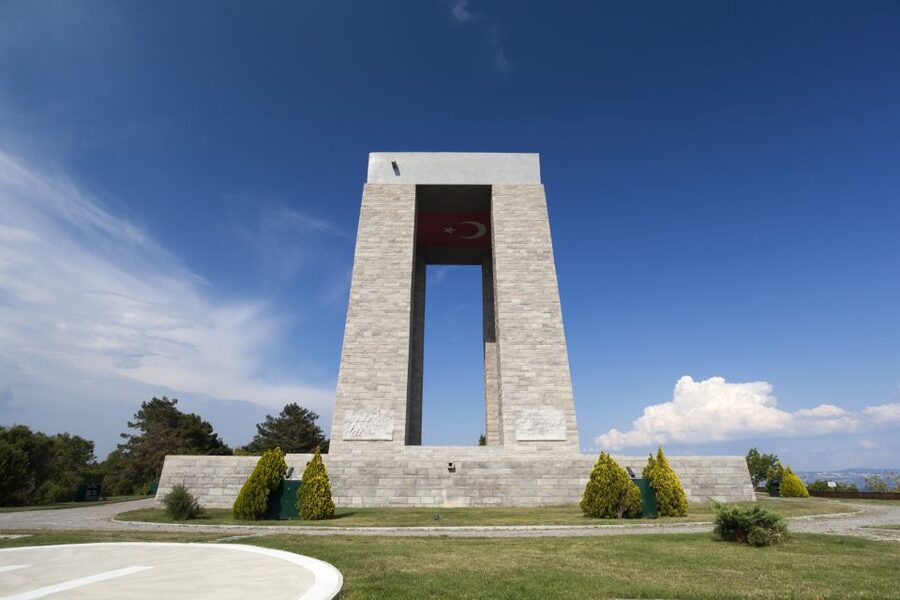
Chunuk Bair New Zealand Memorial carries similar weight for New Zealand visitors. It marks one of the campaign’s most important and costly areas for New Zealand troops. One useful point to keep in mind is that time at individual memorials can be limited because the tour covers many sites in one afternoon. If Chunuk Bair is your main reason for coming, listen carefully to the timing instructions and use your stop well.
The guides often make these places more personal by sharing stories about specific soldiers. One guide even researched and located the grave of a visitor’s relative, creating a deeply personal moment during the day. That kind of help is not something you should assume is guaranteed, but it shows the level of care some guides bring to the subject.
The sequence of memorials also helps you understand that Gallipoli was not one single battle at one single beach. The campaign stretched across different positions, objectives, and months of fighting. You move from landing areas to cemeteries, memorials, batteries, and high ground, gradually building a fuller picture.
The ANZAC Museum and the human story
The ANZAC Museum is included among the tour highlights and provides another way to understand the campaign. Battlefield terrain can show you where things happened, but a museum can help supply the personal record through objects, photographs, and interpretation.
The museum is particularly useful if you have only a general idea of Gallipoli. It gives names and faces to a campaign often reduced to a few familiar phrases. It also supports the guide’s explanations of how the landing, fighting, and withdrawal affected ordinary soldiers.
One point to check before departure is the precise amount of time allocated to the museum. The day is packed, and some departures may give more attention to outdoor memorials than to indoor exhibits. One person specifically wished for more museum time, so you should not expect a leisurely museum visit.
The guide makes or breaks the battlefield circuit
The guide is the heart of this experience. The scenery is important, but without explanation, many battlefield sites can look like quiet hills, beaches, and cemeteries.
Burak received especially strong praise for his ability to explain both Turkish and Anzac history, use humor without losing respect, and bring in maps, photographs, and stories. Ibo was also praised for fluent English and clear explanations, while Charlie was singled out for a strong balance between Turkish and Australian significance. Ibrahim, Bulent, Hassan, and other guides were similarly described as engaging and well prepared.
That consistency is encouraging, but guide quality can never be fully guaranteed on a group departure. You may receive a different guide from the names above. Still, the format gives the guide several hours with your group, far more than a rushed city stop. That allows time for questions and for a connected explanation of the campaign.
A small group helps here. With around 10 people on some departures, it is easier to stay together and ask questions. You are not lost in a crowd, and the guide can adapt explanations to Australians, New Zealanders, Turkish history enthusiasts, or first-time visitors.
Is $159 good value?
At $159 per person, the tour is not cheap, but it includes several costs that would be awkward to arrange independently in one day. You get central hotel pickup and drop-off, air-conditioned transport, an English-speaking guide, lunch, entrance fees, and the full battlefield circuit.
The strongest value comes from the guide and the transport. Gallipoli is far enough from Istanbul that arranging a private car, battlefield guide, meals, and entrance costs could quickly exceed the tour price. A self-guided visit would also require careful planning to connect Anzac Cove, Ariburnu, Lone Pine, Chunuk Bair, Turkish batteries, the museum, and Kilitbahir.
The trade-off is time. You spend a large part of the day driving, and you do not have the flexibility of a private tour. Lunch is basic, breakfast costs extra, and drinks are excluded. One return journey was described as uncomfortable because of fast driving and weaving through traffic, although most comments describe the transport and drivers as excellent.
For a one-time visit from Istanbul, I think the price is fair, especially if you want historical interpretation rather than simply a transfer to the peninsula.
Who should book this tour?
You should book it if Gallipoli has personal, family, or national meaning for you. Australians and New Zealanders will find the Anzac focus especially relevant, but the Turkish perspective makes the experience worthwhile for anyone interested in World War I and Ottoman history.
It also suits you if you have only one day available outside Istanbul. The tour gathers the main memorials and battle areas into a single organized visit, with no need to change hotels or arrange local transport.
You should think twice if you dislike very early starts, long coach rides, or a tightly planned schedule. The terrain is not suitable for wheelchair users, and comfortable walking shoes are essential. This is an open-air historical site rather than a polished museum attraction, with uneven ground and repeated stops.
Final verdict: book it for the meaning, not the ease
I would recommend this tour to anyone who wants to understand Gallipoli properly during a short stay in Istanbul. The long drive is the price of reaching the peninsula, but the hotel transfers, small group, included lunch, and strong English-speaking guides make the day manageable.
Book it if you want Anzac Cove, Lone Pine, Chunuk Bair, cemeteries, Turkish defenses, and Kilitbahir Castle explained as one connected story. Skip it only if 15 hours on the road sounds unbearable. For most history-minded visitors, the day is tiring, moving, and worth the effort.
FAQ
How long does the Gallipoli tour from Istanbul last?
The tour lasts about 15 hours. Pickup begins early in the morning, and the return to Istanbul is scheduled for approximately 11:00 PM.
What time is hotel pickup?
Pickup in the Taksim area is generally between 6:00 and 6:20 AM. Pickup in Sultanahmet is generally between 6:30 and 7:00 AM. Confirm the exact time and meeting point before departure.
Where does hotel pickup operate?
Pickup and drop-off are available from central hotels on Istanbul’s European side, including Sultanahmet, Laleli, Topkapı, Aksaray, Taksim, Sirkeci, and Şişli. There is no pickup or drop-off service from the Asian side.
Is breakfast included?
No. An open buffet breakfast is available during the morning stop at an additional cost.
Is lunch included?
Yes. Restaurant lunch in Eceabat Village is included. Drinks are not included.
Which Gallipoli sites are visited?
The tour includes Anzac Cove, Ariburnu Cemetery, the Anzac Commemorative Site, Turkish cannon batteries, the grave associated with John Simpson Kirkpatrick, Lone Pine Australian Memorial, Chunuk Bair New Zealand Memorial, Kilitbahir Castle, and other key battle areas and cemeteries.
Is the tour suitable for wheelchair users?
No. The tour is not suitable for wheelchair users. Comfortable shoes are recommended for all participants.
Just added in Istanbul
- Private Tour: Istanbul’s Ottoman Experience Including Topkapi Palace and Blue Mosque★ 4.5 · 16 reviews
- Private istanbul tour with transportation★ 5.0 · 36 reviews
- Private Customizable Istanbul Day Tour with Licensed Guide★ 5.0 · 64 reviews
- IstanbulBasilicaCistern/fastEntranceEnglish/Spanish (not tickets)★ 4.0 · 184 reviews
- Private Old City Guided Tour★ 5.0 · 129 reviews
- Private Princes’ Islands Tour★ 5.0 · 56 reviews
- Private Bosphorus Cruise and Egyptian Bazaar with Motor Yacht★ 4.0 · 24 reviews
- Istanbul Private Tour Designed for Layover Flight, Transfer incl.★ 5.0 · 164 reviews
Day Trips, compared.
Full Day Cappadocia Red and Green Combined Day Tour
Read our review →
Ephesus Temple of Artemis and House of Mary Private Half Day Tour
Read our review →


Full-Day Tour of Pamukkale from Antalya with Lunch
Read our review →
Browse the lists this tour appears in