
Reviewed · WALKING TOURS
Ghost City istanbul Walking Tour
Ancient water lies beneath modern Istanbul. This walking tour links the old city’s Roman and Byzantine remains, from the Serpent Column to the Basilica Cistern, with an English-speaking guide who explains the myths and history behind each place. I like the small maximum of 15 people, which should make it easier to hear and ask questions. I also like the focus on underground cisterns, including the less-visited Theodosius Cistern.
The main consideration is cost. At $64.46 per person, tickets and entry fees are not included, so your final spending will be higher. The route is also short at roughly two to three hours, making it a useful introduction rather than a full tour of Istanbul’s Old City.
In This Review
- Key points to know before booking
- Why this route works in Istanbul’s Old City
- Starting at the Serpent Column and Hippodrome
- Theodosius Cistern, a quieter underground stop
- The Burnt Column and Constantine’s imperial city
- The Basilica Cistern and its 336 columns
- Gulhane Park cistern and an unusual change of use
- Rose’s storytelling is a major strength
- Is $64.46 good value?
- Timing, meeting point, and practical planning
- Who should choose this walking tour?
- Should you book the Ghost City Istanbul Walking Tour?
- FAQ
- How long does the Ghost City Istanbul Walking Tour last?
- Where does the tour begin?
- Where does the tour end?
- Are the cistern entrance tickets included?
- What language is the tour offered in?
- How many people can join the group?
Key points to know before booking
- Two major cisterns in one short walk: You visit the Theodosius Cistern and the Basilica Cistern, each with a different feel and scale.
- Rose receives especially warm praise: Her storytelling connects Byzantine symbols, Medusa, the Evil Eye, and Turkish snake-queen folklore.
- A group capped at 15 people: This is more personal than a large coach-style outing and should help with questions.
- Tickets cost extra: Admission to the Theodosius Cistern and Basilica Cistern is not part of the tour price.
- A central Old City route: The walk begins at the German Fountain and ends at the Basilica Cistern.
- Free cancellation up to 24 hours ahead: Changes or cancellations inside that window are not refundable.
Why this route works in Istanbul’s Old City
Istanbul can feel like several cities layered on top of one another. Roman monuments sit beside Ottoman mosques, Byzantine cisterns hide below busy streets, and familiar symbols often carry older meanings than you expect.
This tour concentrates on that underground and imperial layer. You begin near the German Fountain at At Meydanı, the square once occupied by the Hippodrome of Constantinople. From there, the route moves through ancient columns and subterranean reservoirs before finishing at the Basilica Cistern.
I like this arrangement because the sights are connected by place and subject. You are not being sent across the city for unrelated attractions. Instead, you follow a compact route through the old ceremonial center.
The tour is offered in English and includes professional guidance and local taxes. It does not include tickets, entry admissions, or tips. Keep that distinction in mind when you compare the price with a self-guided walk.
The small group limit matters here. Cisterns are atmospheric but can be difficult places to follow a guide if a crowd is large. A maximum of 15 people gives the guide a better chance to speak clearly and respond to questions.
More Walking Tours in Istanbul:
- Istanbul: Fener Balat Half-day Guided Walking Tour
★ 4.9 · 1,711 reviews - Istanbul: European and Asian Side Guided Foodie Walking Tour
★ 4.9 · 1,038 reviews - Half day Fener-Balat Walking Tour in Turkiye
★ 5.0 · 308 reviews
Starting at the Serpent Column and Hippodrome
The first stop is the Serpent Column, also called the Serpentine Column, the Plataean Tripod, or the Delphi Tripod. It is a bronze monument at the old Hippodrome, and admission is free.
The column has an unusual origin. Its ancient Greek name refers to three intertwined serpent heads, and the monument was connected with the Greek victory over the Persians. Today, the column is much smaller and plainer than many visitors expect, but that is part of its appeal. You are looking at a survivor from the ancient world in the middle of modern Istanbul.
Your stop here lasts about 10 minutes. That is enough time for the guide to explain what you are seeing, point out details, and place the column within the old Hippodrome area. It is not enough time for a long archaeological lecture, which suits the pace of this tour.
I would pay close attention to the guide’s explanation rather than judge the monument only by its current condition. The Serpent Column has lost parts of its original form, yet its presence helps show how Istanbul reused older monuments for centuries.
This is also a good first stop because it gives you an immediate sense of the city’s layered past. You are standing in a place tied to Greek military history, Roman public life, Byzantine ceremony, and modern Istanbul sightseeing.
Theodosius Cistern, a quieter underground stop
The Theodosius Cistern receives about 30 minutes on the route, and the admission fee is not included. It sits below the streets and offers a look at Byzantine construction through arched supports, columns, stonework, and reflective water.
I like including this cistern because it broadens the usual Istanbul underground experience. The Basilica Cistern is the city’s famous subterranean sight, but the Theodosius Cistern offers a more intimate setting according to the tour description. If you prefer quieter historic spaces, this may be the stop that gives the tour its character.
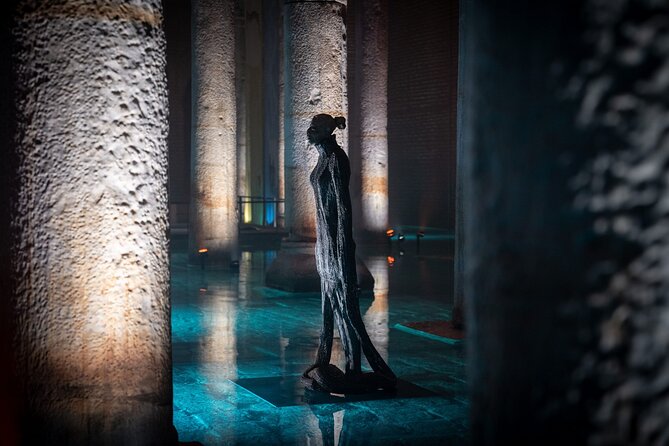
The cistern’s appeal comes from atmosphere as much as scale. Dim light, repeating arches, and water reflections can make a short visit feel far removed from the streets above. Your guide can add the context that the architecture alone cannot provide.
Still, you should budget for the entrance ticket. The tour price covers the guide and local taxes, but not admission here. The exact ticket cost is not provided, so check the current price before you go.
Thirty minutes is a sensible amount of time. It gives you room to look around without turning the tour into a long underground visit. If you enjoy ancient engineering, photography, or quiet architectural details, you may wish the schedule allowed longer. The benefit is that you still have another major cistern ahead.
The Burnt Column and Constantine’s imperial city
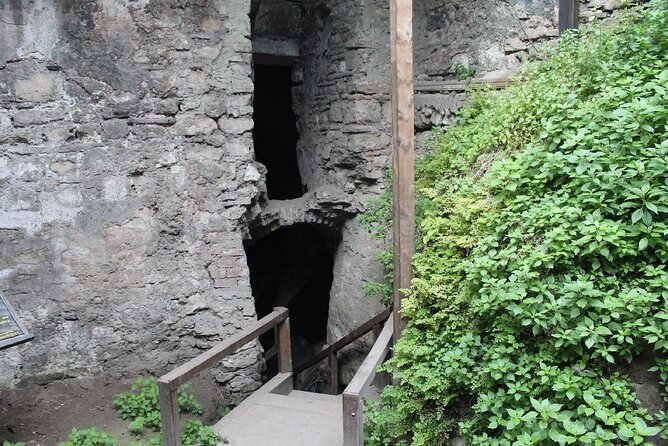
The route also includes the Çemberlitaş Column, known as the Burnt Column or Column of Constantine. It was built in 330 to honor Emperor Constantine I.
This stop helps connect the underground sights with Istanbul’s imperial story. Constantine founded Constantinople as a new imperial capital, and monuments like this column marked the importance of the city he created.
The provided schedule does not state a visit length or admission fee for this stop. I would expect it to be a brief outdoor explanation along the walking route rather than a long formal visit. That is appropriate because the column is viewed from outside, and its main value comes from the story attached to it.
The name Burnt Column points to the monument’s damaged appearance, but the important point is not just the visible stone. Ask the guide how the column fits into the city’s Roman setting and how later generations viewed Constantine’s legacy.
This is one place where a guide adds real value. Without context, you might walk past the column in seconds. With a clear explanation, it becomes evidence of the city’s shift from Roman center to Byzantine capital and, later, Ottoman metropolis.
A few more options to weigh up in Istanbul
- Istanbul: Bosphorus Dinner Cruise & Show with Private Table
★ 4.8 · 44,561 reviews - Istanbul: Daytime or Sunset Sightseeing Cruise & Audio Guide
★ 4.8 · 14,430 reviews - Istanbul: Bosphorus Dinner Cruise with Turkish Night Show
★ 4.8 · 10,127 reviews - Best of Istanbul 1, 2 or 3-Day Private Guided Istanbul Tour
★ 5.0 · 8,922 reviews
The Basilica Cistern and its 336 columns
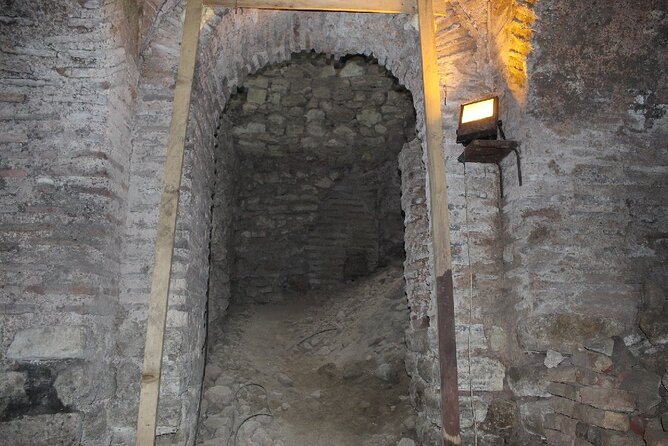
The Basilica Cistern is the final major stop and the end point of the tour. It is located near Hagia Sophia, on Yerebatan Caddesi, and admission is not included.
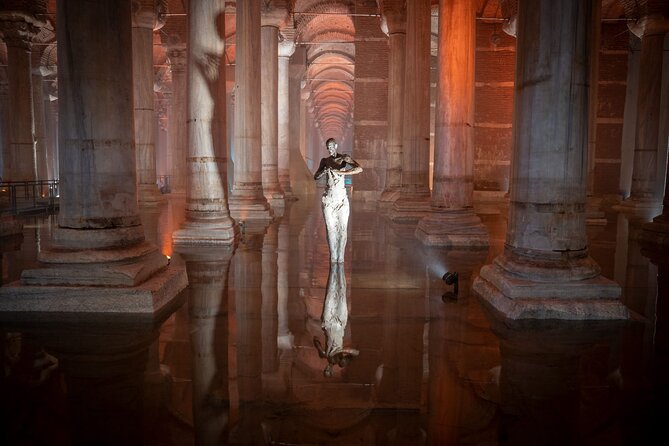
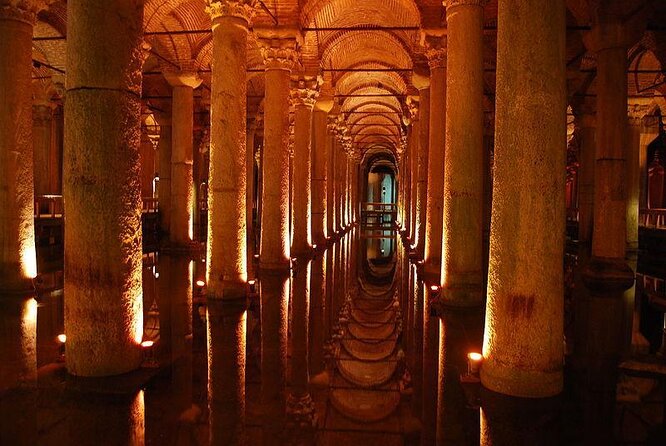
The cistern is famous for its underground hall, rows of marble columns, low lighting, and water below. The space contains 336 columns, creating a strong visual rhythm as you move through it. It is one of Istanbul’s most memorable historic interiors, and the recent renovation is part of its current appeal.
You receive about 30 minutes here. That is enough for a guided orientation and a quick look around, though you may want more time if you enjoy architectural details. Since the tour finishes at the Basilica Cistern, you can ask about staying longer or returning later, but the supplied information does not confirm whether your tour ticket permits that.
The Basilica Cistern can feel almost theatrical. Reflections, shadows, and the forest of columns give it a mood unlike the open-air monuments earlier in the walk. The guide’s job is to prevent that atmosphere from becoming the whole story. You want to know why the cistern was built, how it served the city, and how its design relates to the Byzantine capital above.
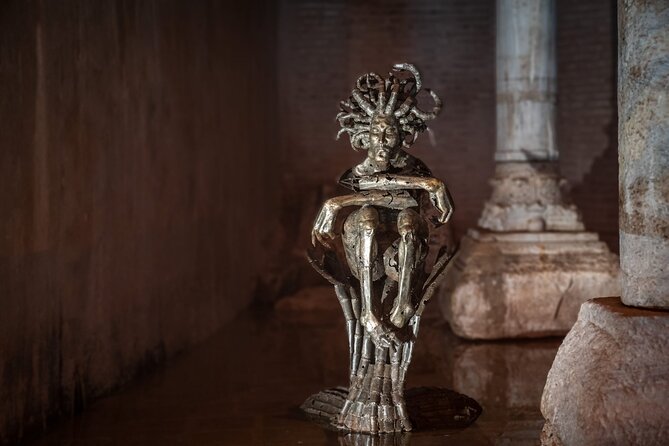
The connection between Medusa and the Evil Eye is one of the unusual details Rose explains particularly well. Her storytelling also includes the myth of Turkey’s own queen of snakes. These links add a local and symbolic layer to what might otherwise be a simple walk through old stonework.
Because the Basilica Cistern is the final stop, the route ends at a useful sightseeing location. You are not dropped in an out-of-the-way district after the underground visit. You finish in the center of the Old City, close to other major sights and public transport.
Gulhane Park cistern and an unusual change of use
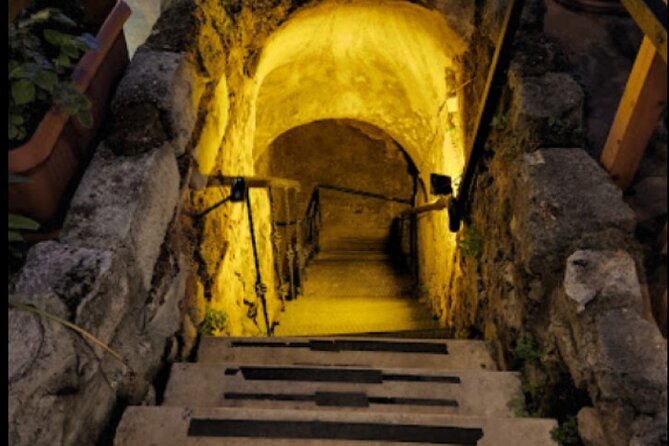
The route also lists Gulhane Parkı Sarnıcı, described as a site that was once used as an aquarium and is now open to the public. The stop lasts about 10 minutes and admission is free.
This is a short visit, so you should not expect a full museum-style exploration. Its value lies in the unusual change of purpose. A place connected with water was once used as an aquarium, and its present configuration partly reflects that past use.
The available details do not explain precisely how this stop fits between the other cisterns or whether the name refers to a separate section within the wider Gulhane area. I would confirm the day’s exact order with the guide at the start.
That small uncertainty is worth noting, but it does not undermine the main route. The stop adds another example of Istanbul’s habit of adapting old spaces rather than allowing them to disappear.
Rose’s storytelling is a major strength
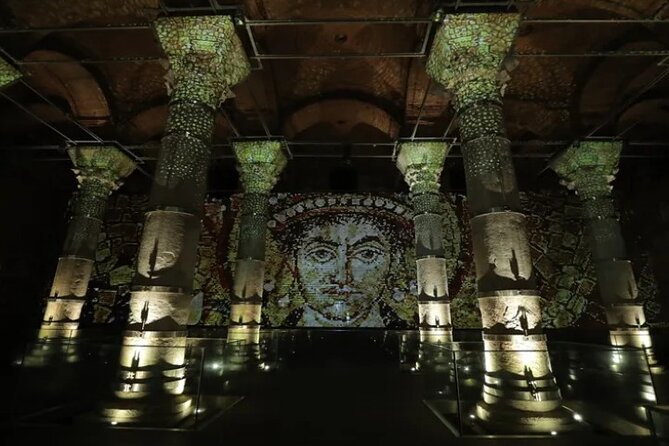
The strongest part of the experience appears to be the guide’s approach. Rose is praised for her warmth, enthusiasm, patience, and ability to explain details without making the walk feel like a dry lecture.
I especially like the way her storytelling connects different eras and cultures. The story does not stop at dates and architectural labels. It moves into symbols, myths, and the way older beliefs continue to shape modern Turkish culture.
Her explanations of Medusa and the Evil Eye are a good example. That connection gives you something to look for inside the cisterns and helps make a familiar symbol feel less like a decorative detail. Her account of Turkey’s snake queen adds another memorable thread.
Rose is also described as taking time to answer questions. That matters in a small group, where you can ask for clarification instead of simply listening from the back of a crowd.
Guide quality can vary on any walking tour, and the information supplied specifically praises Rose. If she is leading your departure, her style seems particularly suited to this route. If another guide leads it, the fixed attractions remain worthwhile, but the storytelling may shape the experience differently.
Is $64.46 good value?
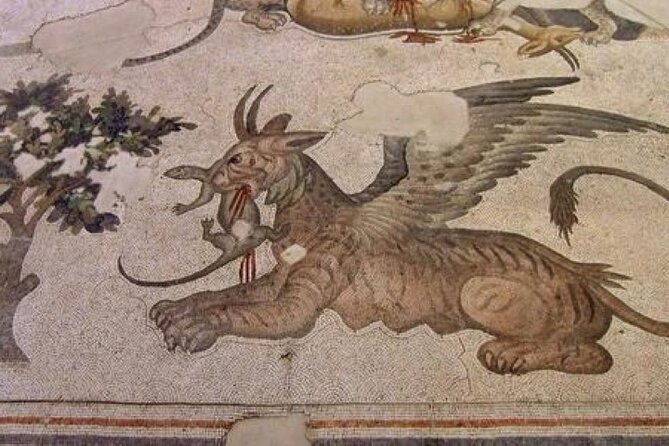
At $64.46 per person, this is not the cheapest way to see the Old City. You also pay separately for the Theodosius Cistern and Basilica Cistern, so the total cost depends on the current admission prices.
The value rests mainly in the guide. You are paying for a focused explanation of several monuments, not simply transport or skip-the-line access. The tour includes no transportation, meals, or entry tickets.
I think the price is easier to justify if you want context and have limited time in Istanbul. The route brings together several ancient sites in two to three hours, and a strong guide can help you understand how they relate.
The price is harder to justify if you are comfortable reading signs, using a guidebook, and visiting the cisterns independently. You may save money by buying your own tickets and walking between the sites.
Group discounts are available, which may improve the value for families or larger parties. Since the group limit is 15 people, ask how the discount applies before booking.
Timing, meeting point, and practical planning
The meeting point is the German Fountain in Binbirdirek, at At Meydanı. The tour ends at the Basilica Cistern on Yerebatan Caddesi.
Both points are in central Istanbul’s historic district and are near public transportation. You should arrive with enough time to locate the fountain, especially if you are not familiar with the square. A mobile ticket is accepted, and confirmation is provided at booking.
The route lasts approximately two to three hours. The schedule lists 10 minutes at the Serpent Column, 30 minutes at the Theodosius Cistern, 30 minutes at the Basilica Cistern, and 10 minutes at Gulhane Parkı Sarnıcı, with the Çemberlitaş Column included along the way.
Because two paid admissions are separate, I would check the ticket arrangements before setting out. You want to know if the guide purchases group entries, if you buy your own ticket, and whether current admission prices have changed.
The tour is offered in English. Most people can participate, but the supplied details do not give a more specific accessibility description. If stairs, underground spaces, or walking for two to three hours are a concern, ask the operator before booking.
Free cancellation is available if you cancel at least 24 hours before the local start time. A cancellation or change made less than 24 hours ahead is not refunded.
Who should choose this walking tour?
I would choose this experience if you want a compact introduction to Istanbul’s Roman and Byzantine remains. It suits you especially well if you enjoy stories about symbols, legends, and changing cultures rather than only taking photographs of monuments.
It is also a good fit for a first visit when you want an organized start in the Old City. The route gives you several places to recognize later, including the Hippodrome, Çemberlitaş, and the Basilica Cistern.
Families and small groups may benefit from the group discount and limited group size. The route’s central location also makes it easy to continue sightseeing after the final stop.
I would hesitate if you want a slow archaeological tour with long periods at each site. The schedule is brisk, and the two to three hour format means you receive an overview rather than exhaustive coverage.
I would also hesitate if your budget is tight. The $64.46 fee does not cover admissions, and the same central area can be explored independently for less.
Should you book the Ghost City Istanbul Walking Tour?
Book it if you want a guide-led introduction to Istanbul’s underground monuments, especially if Rose is leading your departure. Her warm delivery, patient answers, and unusual connections between Medusa, the Evil Eye, and Turkish folklore give the route more personality than a basic monument walk.
Skip it if you prefer independent sightseeing or want every entrance included in one price. For everyone else, the tour offers a well-focused Old City route, a small group, and a useful mix of famous and less familiar cisterns. Just confirm ticket costs and the day’s exact stop order before you pay.
FAQ
How long does the Ghost City Istanbul Walking Tour last?
The tour lasts approximately two to three hours.
Where does the tour begin?
The meeting point is the German Fountain in Binbirdirek, at At Meydanı Cd, in Istanbul’s Fatih district.
Where does the tour end?
The tour ends at the Basilica Cistern at Alemdar, Yerebatan Cd. 1/3.
Are the cistern entrance tickets included?
No. Tickets and entry admissions are not included. The Theodosius Cistern and Basilica Cistern both list admission as extra.
What language is the tour offered in?
The walking tour is offered in English.
How many people can join the group?
The maximum group size is 15 people. Group discounts are available.
Just added in Istanbul
- Private Tour: Istanbul’s Ottoman Experience Including Topkapi Palace and Blue Mosque★ 4.5 · 16 reviews
- Private istanbul tour with transportation★ 5.0 · 36 reviews
- Private Customizable Istanbul Day Tour with Licensed Guide★ 5.0 · 64 reviews
- IstanbulBasilicaCistern/fastEntranceEnglish/Spanish (not tickets)★ 4.0 · 184 reviews
- Private Old City Guided Tour★ 5.0 · 129 reviews
- Private Princes’ Islands Tour★ 5.0 · 56 reviews
- Private Bosphorus Cruise and Egyptian Bazaar with Motor Yacht★ 4.0 · 24 reviews
- Istanbul Private Tour Designed for Layover Flight, Transfer incl.★ 5.0 · 164 reviews
Walking Tours, compared.


European and Asian Side Guided Foodie Walking Tour
Read our review →
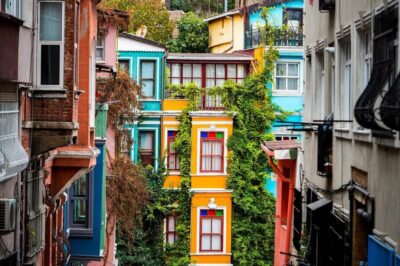
Colorful Fener & Balat Walking Tour w/Expert Guide
Read our review →
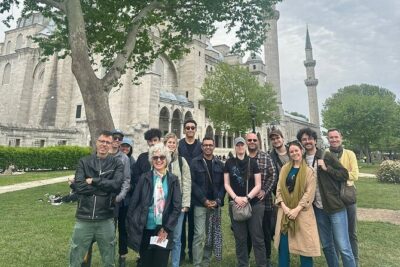
Old Town Of Istanbul Orientation – Tip Based Walking Tour
Read our review →
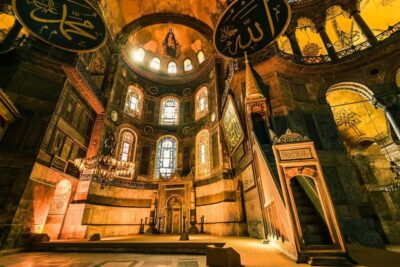
Best of the City Private Full-Day Walking Tour
Read our review →Browse the lists this tour appears in