
Reviewed · CITY TOURS AND SIGHTSEEING
Guided Private Sightseeing Tour of Istanbul
Istanbul rewards a good guide. This private six-hour tour brings together Hagia Sophia, the Blue Mosque, Topkapi Palace, and the Grand Bazaar, so you can cover the old city’s essential sights without wrestling with the route alone. I especially like the private format, which lets you ask questions and adjust the pace, and the help with queues, a real benefit when cruise ships fill Sultanahmet. The main drawback is that entrance fees and lunch cost extra, and six hours is a brisk amount of time for so many major sights.
The tour also includes the Hippodrome and Basilica Cistern, giving you a useful sweep from Byzantine Constantinople to the Ottoman court and modern Istanbul. Guides such as Dilek have earned praise for clear English, warmth, careful explanations, and help with photos and onward directions. Just prepare for a lot of walking, active religious sites, and a full day of visual and historical information.
In This Review
- Key things to know before you book
- Why this private Istanbul tour works well
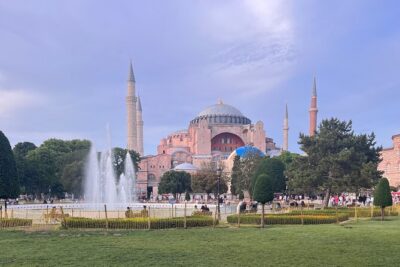
- Hagia Sophia, where two religious traditions meet
- The Blue Mosque and the practical side of a sacred site
- The Hippodrome’s surviving monuments
- Basilica Cistern, Istanbul’s coolest ancient pause
- Topkapi Palace and the world of Ottoman sultans
- Grand Bazaar, shopping with a side of theater
- Price, transport, and what you actually receive
- Who will get the most from this experience
- Should you book this Istanbul tour?
- FAQ
- How long does the private Istanbul sightseeing tour last?
- Which attractions are included in the route?
- Is this a private tour?
- Is hotel pickup available?
- Is the tour offered in English?
- Are entrance fees included in the price?
- Is lunch included?
- What should I wear to the Blue Mosque?
- Can I cancel for a full refund?
Key things to know before you book
- Six major sights in one private outing: You visit Hagia Sophia, the Blue Mosque, Topkapi Palace, the Hippodrome, Basilica Cistern, and Grand Bazaar.
- Dilek receives especially warm praise: She is described as patient, friendly, and able to explain complex history in plain English. One account also notes that she speaks Spanish.
- Queue guidance can save valuable time: A guide can help you join the correct line and understand the difference between a ticket queue and an entrance queue.
- Entrance fees are separate: The tour price covers the guide and qualifying hotel transport, but not admission to Hagia Sophia, Topkapi Palace, or the Basilica Cistern.
- Modest clothing matters: The Blue Mosque is an active place of worship. Bring a scarf or use the coverings available at the entrance.
- The price makes most sense for a small group: At $241.36 per person, the cost is easier to justify when you value private attention and divide the experience among a family or group.
Why this private Istanbul tour works well
Istanbul’s historic center is compact on a map but demanding on the ground. The attractions sit close together, yet each has its own entry rules, lines, security checks, and rhythm. A private guide gives you one person to handle the flow while you concentrate on what you are seeing.
The guide is also the main reason to choose this experience instead of simply walking between the monuments with a phone in hand. Hagia Sophia can feel like an overwhelming mixture of domes, mosaics, calligraphy, marble, and centuries of change. At Topkapi Palace, a guide helps turn a large collection of courtyards and rooms into a story about Ottoman power and court life.
The private arrangement suits families, couples, solo visitors, and small groups with different interests. You can ask about architecture, religion, palace life, or daily life in Istanbul without waiting for a large group to catch up. Past accounts describe Dilek adjusting the pace, answering questions, making time for photos, and offering suggestions for the rest of the trip.
There is a practical limit. The listed schedule adds up to roughly four hours and 50 minutes at the sights, leaving the rest of the six-hour tour for walking, transfers, orientation, and entry procedures. That is enough for an excellent introduction, but not enough for an unhurried study of every room. Topkapi Palace alone can absorb much of a day if you linger over its collections.
More Sightseeing Tours in Istanbul
- Istanbul: Private Turkish Bath, Massage, and Spa in Old City
★ 4.6 · 3,225 reviews - ISTANBUL BEST: Iconic Landmarks Full Day PRIVATE Guided City Tour
★ 5.0 · 1,032 reviews - Istanbul: City Highlights Tour w/Hagia Sophia & Blue Mosque
★ 4.5 · 390 reviews
Hagia Sophia, where two religious traditions meet
Allow about an hour at Hagia Sophia. This is the emotional center of the route, and you will want a guide here.
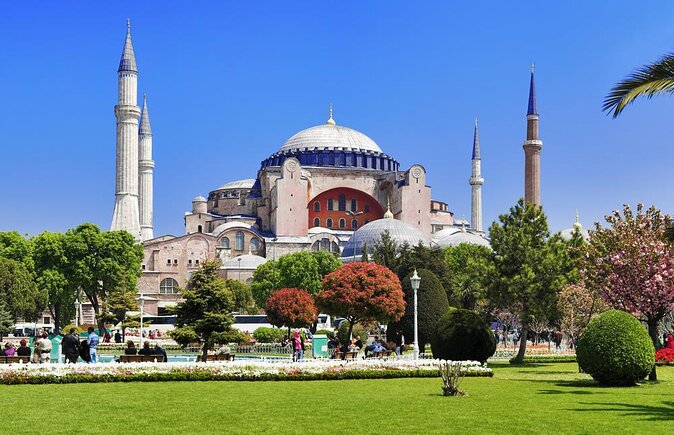
The building began as a cathedral under Byzantine Emperor Justinian I in 537 AD. For nearly a thousand years, its great dome made it the largest cathedral in the world. After the Ottoman conquest of Constantinople in 1453, it became a mosque. The Turkish Republic later opened it as a museum in 1935, and it returned to use as a mosque in 2020.
That changing purpose is visible inside. Christian mosaics and Islamic elements share the same building, giving you a rare chance to see Byzantine and Ottoman traditions in one place. A strong guide points out details that are easy to miss when you are looking only at the enormous dome.
Admission is not included, and conditions at a functioning mosque can affect how you experience the interior. Dress respectfully and be prepared for possible restrictions or altered visiting arrangements. The exact timing can also depend on worship and site operations, so your guide’s current information is useful.
The supplied accounts place special emphasis on the guide’s explanations here. Dilek is praised for making the building’s story easy to follow and for showing mosaics that a first-time visitor might walk past. That is valuable because Hagia Sophia is not a place that explains itself at a glance.
The Blue Mosque and the practical side of a sacred site
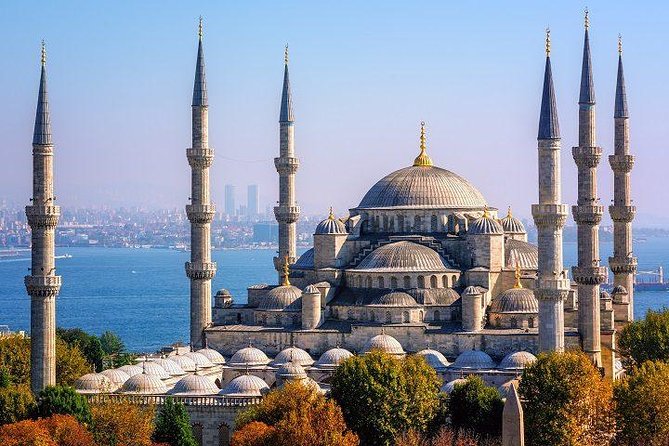
The Blue Mosque, officially the Sultan Ahmed Mosque, receives about 30 minutes. It was built between 1609 and 1616 for Sultan Ahmed I and remains an active mosque.
Inside, the famous blue tiles give the building its popular name. You will also see Ottoman calligraphy, decorative motifs, a central dome, and six minarets. The scale is impressive, but the atmosphere matters just as much. This is not only a historic monument. It is a working religious space.
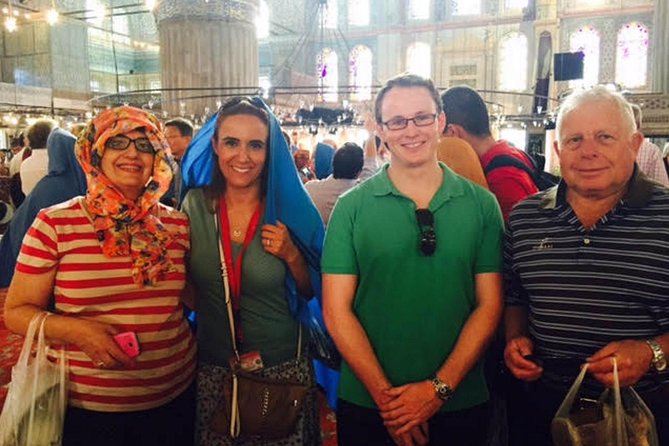
Plan for modest clothing. One account specifically recommends dressing conservatively and carrying a scarf, though coverings are provided at the entrance. Shoes may need to be removed as part of mosque etiquette, so practical clothing helps.
The short visit means your guide must focus on the essentials. That can work well if you want the design explained rather than a long architectural lecture. You will learn how to read the tilework and understand the mosque’s place in Ottoman Istanbul. If you want extended quiet time for photography or prayer, the schedule may feel tight.
The guide’s role is particularly useful here. Dilek is praised for pointing out small architectural details and allowing time for photographs. A private guide can also help you remain respectful of worshippers while still getting a clear look at the building.
The Hippodrome’s surviving monuments
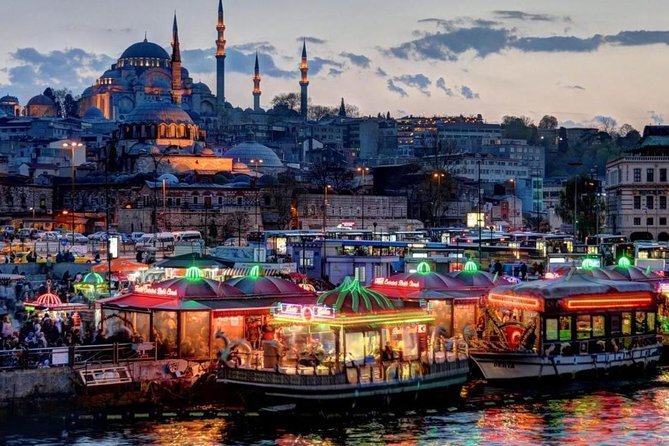
The Hippodrome takes about 20 minutes and admission is free. Do not expect a complete arena rising around you. The original chariot-racing track is gone, and modern Istanbul surrounds the site.
What remains is enough to suggest the old scale. The area once served as a major arena for races, festivals, public gatherings, and political conflict. It was built by Emperor Septimius Severus in the third century and enlarged by Constantine the Great in the fourth century. Its capacity may have reached 100,000 spectators.
Your guide should help you picture the arena through the monuments still in place: the Obelisk of Theodosius, the Serpent Column, and the Walled Obelisk. The Hippodrome also offers an important lesson about Byzantine politics. Supporters of rival chariot teams could influence public life and imperial decisions.
This is a brief outdoor stop, but it gives context to the surrounding buildings. It also offers a breather between indoor visits. Wear comfortable shoes and expect to spend much of the day on paved streets and hard floors.
A completely different kind of day out:
- Istanbul: Bosphorus Dinner Cruise & Show with Private Table
★ 4.8 · 44,561 reviews - Istanbul: Daytime or Sunset Sightseeing Cruise & Audio Guide
★ 4.8 · 14,430 reviews - Istanbul: Bosphorus Dinner Cruise with Turkish Night Show
★ 4.8 · 10,127 reviews - Best of Istanbul 1, 2 or 3-Day Private Guided Istanbul Tour
★ 5.0 · 8,922 reviews
Basilica Cistern, Istanbul’s coolest ancient pause
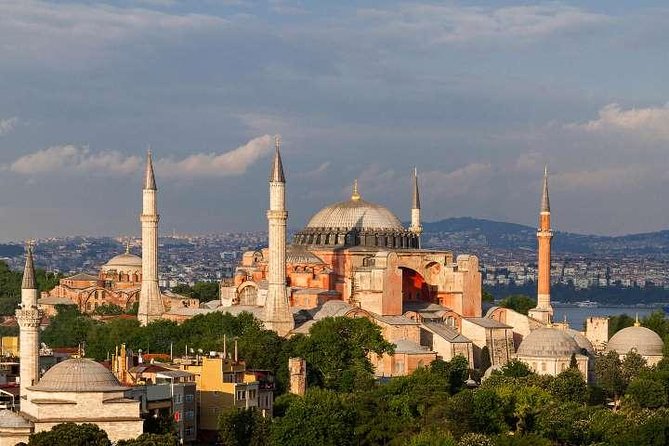
The Basilica Cistern receives about an hour, and admission is not included. Built during Justinian I’s reign in the sixth century, it supplied water to the Great Palace of Constantinople.
Below street level, the mood changes at once. The cistern covers about 9,800 square meters and is supported by 336 marble columns, each about nine meters tall. Dim lighting and reflections on the water give the place a quiet, almost theatrical feel.
The Medusa head columns are the feature most people seek out. Two columns rest on upside-down Medusa heads, and their unusual placement has prompted plenty of speculation. Your guide can put the feature into context without letting it become the only thing you remember.
This stop is more than a photogenic underground room. It shows the engineering needed to supply a huge imperial city with water. The one-hour allocation gives you time to appreciate the columns and hear the story without rushing through in a few minutes.
As with Hagia Sophia and Topkapi Palace, admission is extra. If you are tracking costs closely, add the entrance fees before deciding if the package offers good value.
Topkapi Palace and the world of Ottoman sultans
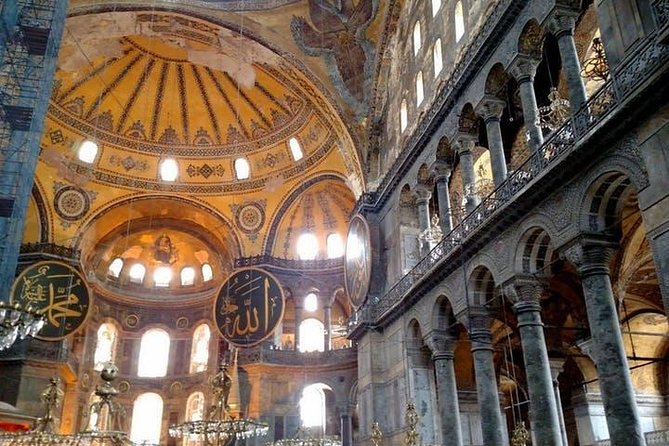
Topkapi Palace receives about an hour, though it deserves more if you want every collection. This was the main residence of Ottoman sultans for nearly 400 years, from the 15th through the 19th century. Sultan Mehmed II commissioned the palace after conquering Constantinople in 1453.
The complex is made up of courtyards, gardens, and separate buildings rather than one single palace block. That layout tells you something about Ottoman court life. Power was arranged in layers, with different spaces serving official business, private family life, religious purposes, food preparation, and ceremonial display.
Key areas include the Harem, where the sultan’s family lived, the Treasury, the Imperial Kitchens, and the Sacred Relics Room. The Treasury contains famous objects including the Topkapi Dagger. The Sacred Relics Room holds items associated with the Prophet Muhammad.
Entrance fees are not included, and you should confirm which palace areas are covered by the admission you purchase. The Harem may require an additional ticket, depending on current site rules. Because the palace is extensive, one hour calls for smart prioritizing.
This is where a private guide can provide the most value. Dilek is praised for ensuring that an important selection of rooms and collections was not missed, while keeping the palace’s size manageable. She can also explain what you are looking at instead of leaving you to read labels in crowded rooms.
Grand Bazaar, shopping with a side of theater
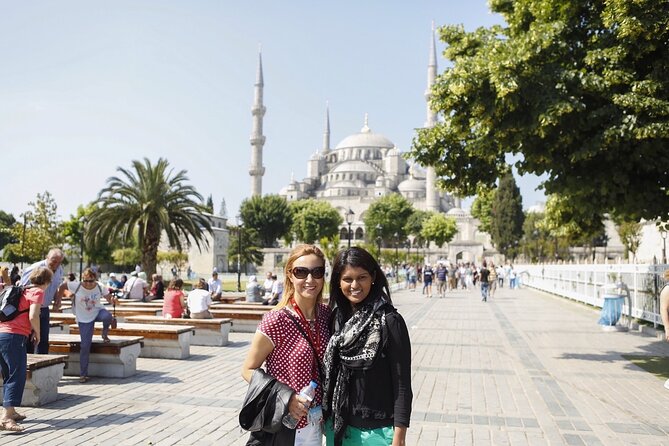
The Grand Bazaar takes about an hour and has no separate admission fee. Founded in the 15th century by Sultan Mehmed the Conqueror, it grew into a huge covered market with more than 4,000 shops across roughly 30,000 square meters.
The market is a maze of narrow lanes, domed ceilings, arched passages, and courtyards. You may find jewelry, textiles, carpets, spices, ceramics, antiques, and plenty of small gifts. The sheer size can be disorienting, which is part of the fun and part of the challenge.
Use this stop for atmosphere as well as shopping. You can browse without buying, but if you plan to purchase something, allow time for conversation and bargaining. An hour passes quickly, especially if you look at carpets or jewelry.
One account praises a carpet-store visit, but the supplied tour details do not promise a specific shop or purchase. Treat any shopping stop as optional and make sure you are comfortable before agreeing to buy. The private format lets you tell the guide if you prefer monuments over shopping.
Price, transport, and what you actually receive
The listed price is $241.36 per person. That is a significant amount for a six-hour sightseeing tour, but the value depends on your group size and priorities.
You receive a professional guide, a private experience for your party, and hotel pickup and drop-off when your hotel is outside practical walking distance. Pickup is offered from hotels in Istanbul’s city center. You do not receive lunch, entrance fees, or a shared coach transfer as part of the listed inclusions.
For a solo visitor, the per-person cost may feel high. For a family or group, private guiding can make more financial sense, especially if you would otherwise pay separate admission, transport, and guide costs. The strongest value comes from time saved and interpretation, not from bundled tickets.
Queue handling is an important point. The guide can help you find the correct line and avoid wasting time in the wrong one. But a ticket that bypasses a ticket line does not always bypass the security or entrance line. At busy times, especially when cruise ship crowds arrive, you may still wait.
The tour is offered in English, and confirmation arrives at booking. It operates in all weather, so bring suitable clothing. You should also expect a moderate level of physical activity, with walking between sites and time spent standing.
Who will get the most from this experience
I would choose this tour if you have limited time in Istanbul and want the old city explained by one person. It is also a good fit if you are uneasy about navigating mosque etiquette, palace ticketing, or the complicated queues around the major sights.
Families may appreciate the ability to ask questions and pause for photos. Solo visitors can benefit from the company and flexible pace. History fans will get the most from Hagia Sophia, the Hippodrome, Basilica Cistern, and Topkapi Palace, while shoppers will value the Grand Bazaar portion.
I would think twice if you prefer slow museum visits, long meals, or independent wandering. Six hours is efficient, not leisurely. You will see the major places, but you cannot give every room and courtyard the attention it deserves.
Free cancellation is available if you cancel at least 24 hours before the start time. Changes or cancellations inside that window are not accepted for a refund. Keep that deadline in mind when your Istanbul schedule depends on flights, ferries, or cruise timing.
Should you book this Istanbul tour?
Book it if you want a focused introduction to Sultanahmet with private attention, clear explanations, and help navigating the queues. The most praised qualities are the guide’s warmth, strong command of Istanbul’s past, patient answers, and ability to point out details you could easily miss.
The price is fairer for a small group than for one person, and you should budget separately for admission fees and lunch. Dress modestly, wear comfortable shoes, and accept that six hours will give you highlights rather than a slow study.
For a first visit, especially one lasting only a few days, this is a sensible way to get your bearings fast and understand why Istanbul’s Byzantine, Ottoman, and Islamic layers are so closely packed together.
FAQ
How long does the private Istanbul sightseeing tour last?
The tour lasts approximately six hours.
Which attractions are included in the route?
The route includes Hagia Sophia, the Blue Mosque, Topkapi Palace, the Hippodrome, Basilica Cistern, and the Grand Bazaar.
Is this a private tour?
Yes. Only your group participates in the private activity.
Is hotel pickup available?
Yes. Pickup is offered from Istanbul city-center hotels. Hotel pickup and drop-off are included when the hotel is outside practical walking distance.
Is the tour offered in English?
Yes. The tour is offered in English.
Are entrance fees included in the price?
No. Entrance fees are not included. Hagia Sophia, Topkapi Palace, and Basilica Cistern list admission as extra, while the Hippodrome and Grand Bazaar have no admission charge.
Is lunch included?
No. Lunch is not included in the tour price.
What should I wear to the Blue Mosque?
Dress modestly because the Blue Mosque is an active place of worship. Bring a scarf or use the coverings available at the entrance.
Can I cancel for a full refund?
Yes, if you cancel at least 24 hours before the experience start time. Cancellations or changes made less than 24 hours before the start are not refunded or accepted.
Just added in Istanbul
- Private Tour: Istanbul’s Ottoman Experience Including Topkapi Palace and Blue Mosque★ 4.5 · 16 reviews
- IstanbulBasilicaCistern/fastEntranceEnglish/Spanish (not tickets)★ 4.0 · 184 reviews
- Private istanbul tour with transportation★ 5.0 · 36 reviews
- Private Customizable Istanbul Day Tour with Licensed Guide★ 5.0 · 64 reviews
- Private Old City Guided Tour★ 5.0 · 129 reviews
- Private Princes’ Islands Tour★ 5.0 · 56 reviews
- Private Bosphorus Cruise and Egyptian Bazaar with Motor Yacht★ 4.0 · 24 reviews
- Istanbul Private Tour Designed for Layover Flight, Transfer incl.★ 5.0 · 164 reviews
City Tours and Sightseeing, compared.
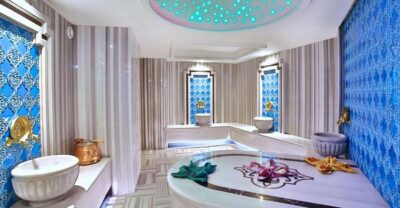
Private Turkish Bath, Massage, and Spa in Old City
Read our review →
Old City, Waterfalls, Olympos Cable Car, Boat
Read our review →
Guided City Tour with Top 2 Waterfalls incl. Lunch
Read our review →
ISTANBUL BEST: Iconic Landmarks Full Day PRIVATE Guided City Tour
Read our review →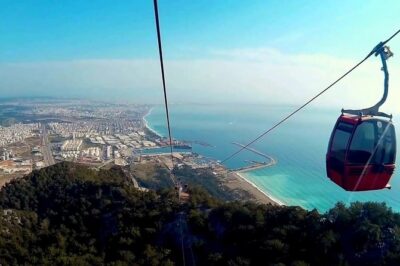
City Tour with Boat Trip, Old Town & Waterfalls
Read our review →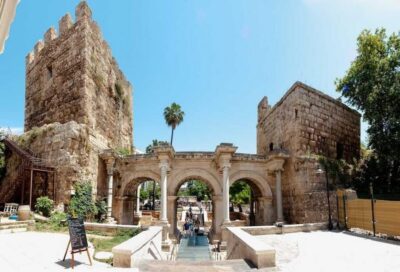
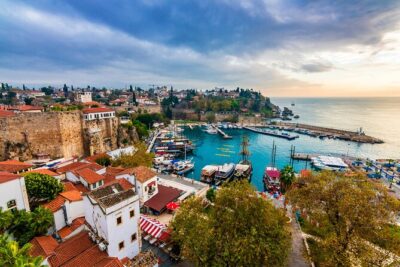
Antalya /Belek : Guided City Tour w/Cable Car & Waterfalls & Boat
Read our review →Browse the lists this tour appears in