
Reviewed · MOSQUES AND RELIGIOUS SITES
Istanbul: Whirling Dervish Ceremony next to Hagia Sophia
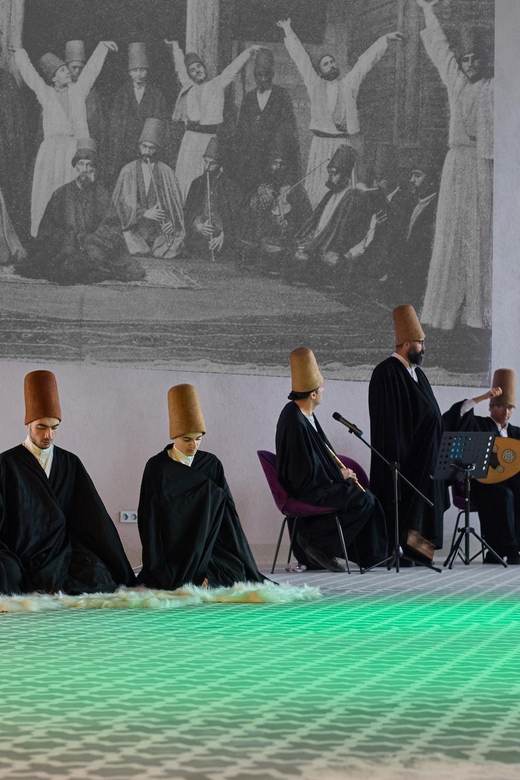
Slow turning can change the pace of Istanbul. This 55-minute Whirling Dervish ceremony beside Hagia Sophia offers live Turkish music, a traditional Sufi ritual, and a calm break from the noise of Sultanahmet. I like the beautiful wooden venue and the clear introduction that explains what you are about to see. The main consideration is that this is a religious ceremony, not a lively dance show, so its slow rhythm will not suit everyone.
I also like that the ticket includes tea or sherbet, water, and a smart audio guide in seven languages. The $17 price is gentle by central Istanbul standards, though some explanations can be hard to follow if the speaker talks quickly, and English translations of the sung prayers are not provided.
In This Review
- Key things to know before you go
- Why this ceremony feels different from a dance show
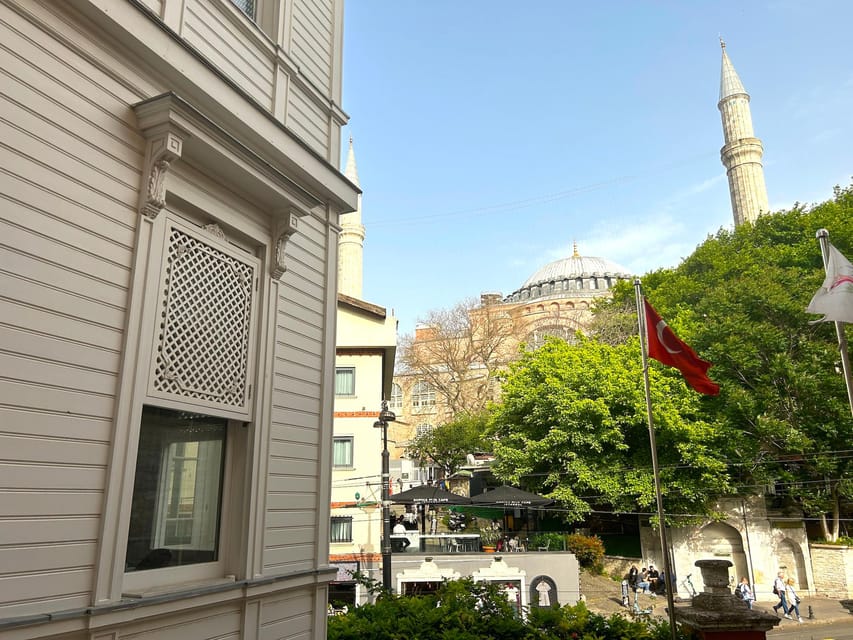
- Finding the white wooden house beside the Basilica Cistern
- The introduction gives the turning its meaning
- Listening to the ney, strings, drums, and old Turkish music
- Watching the dervishes begin their turning
- Tea, sherbet, and the small details after the ritual
- Is $17 a fair price in central Istanbul?
- Who will appreciate this 55-minute experience?
- Should you book the Whirling Dervish ceremony?
- FAQ
- How long does the Whirling Dervish ceremony last?
- How much does the experience cost?
- Where is the meeting point?
- When does the entrance gate open?
- Is Hagia Sophia close to the venue?
- Is the ceremony suitable for children?
- Is the venue wheelchair accessible?
- Is a guide included?
- Are drinks included?
- Can I take photos or videos?
- Can I cancel my booking?
Key things to know before you go
- The ceremony lasts 55 minutes: It is short enough to fit around Hagia Sophia, the Basilica Cistern, and the Blue Mosque.
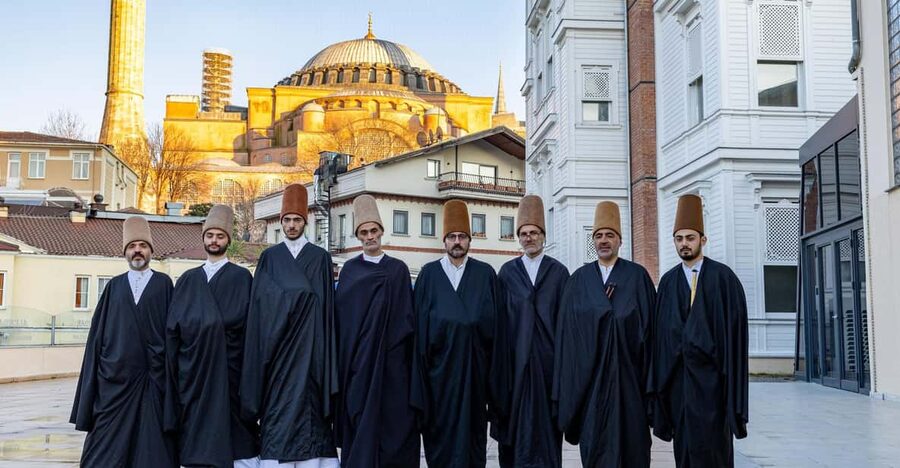
- The wooden house is next to the Basilica Cistern: Look for the giant white wooden building and its gate, which opens 30 minutes before the start.
- Live music uses historic Turkish forms: Strings, drums, and the ney flute lead the ceremony, with pieces composed from the 1400s to the early 1800s.
- The opening talk matters: A host explains Sufi ideas, Rumi, and the meaning of the gestures before the ritual begins.
- Silence is part of the experience: Put your phone away, use the restroom before or after, and treat the ceremony with care.
- Ticket income supports education: The arts center is connected with scholarships and local arts work, adding a useful social purpose to the visit.
Why this ceremony feels different from a dance show
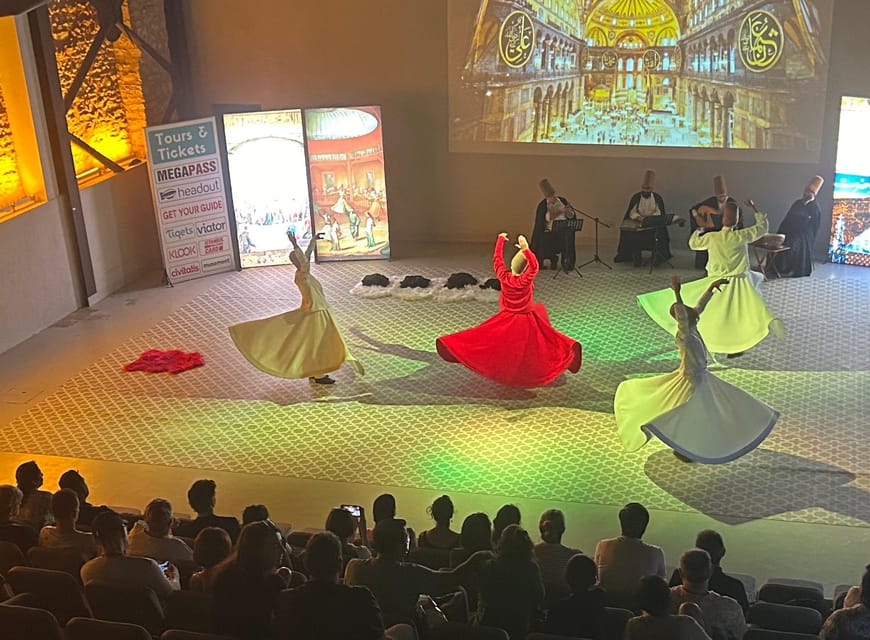
The first thing to understand is the mood. You are not buying a theatrical number built around speed, applause, or bright spectacle. You are attending a carefully ordered Sufi ceremony, known as Sema, where music, prayer, stillness, and controlled turning work together.
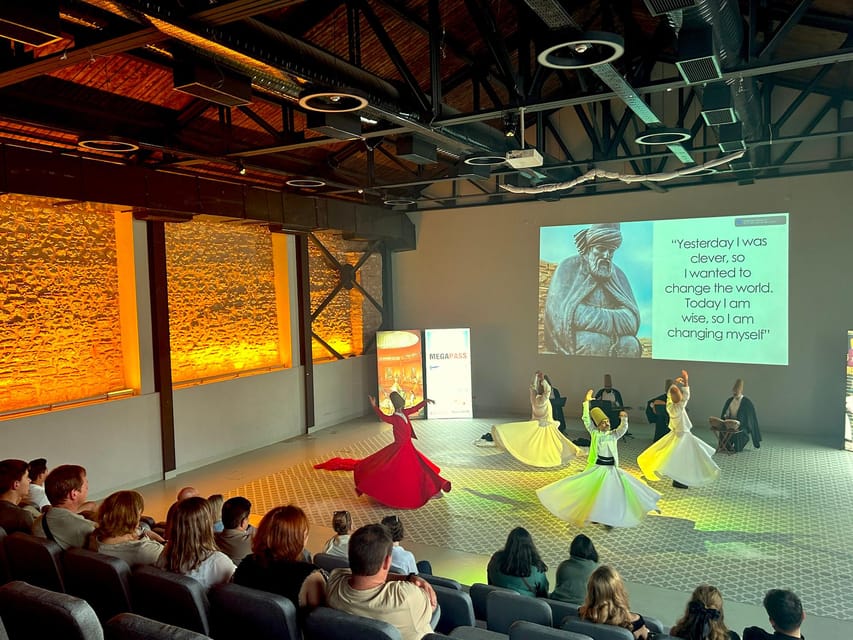
The dervishes wear traditional garments and enter with a quiet focus. Their turning is not presented as a stunt. It represents a spiritual journey toward divine love and unity, with the individual letting go of the ego. One hand reaches upward and the other points down, symbolizing the movement of divine blessing from heaven to the world.
That meaning makes a big difference. If you arrive expecting a folk dance, you might find the ceremony too slow. If you give it your full attention, the steady rhythm can become peaceful and even hypnotic.
I appreciate that the event is described as a genuine ritual performed by local Sufi followers, rather than a costume display made only for tourists. You should still remember that it takes place in a cultural venue and is offered to an international audience, but the measured pace and serious tone give it a sincere feeling.
The ceremony is recognized by UNESCO as an example of Intangible Cultural Heritage. That does not mean every part will be explained in detail during the 55 minutes, but it tells you that you are seeing a living tradition with importance beyond Istanbul’s sightseeing circuit.
More Skip-the-Line Tickets in Istanbul
- Istanbul: Basilica Cistern Fast-Track Entry and Audio Guide
★ 4.6 · 7,521 reviews - Istanbul: Hagia Sophia Skip-the-Line Ticket & Museum Option
★ 3.7 · 4,958 reviews - Istanbul: Topkapi Palace & Harem Museum Ticket & Audio Guide
★ 4.1 · 3,977 reviews
Finding the white wooden house beside the Basilica Cistern
The meeting point is next to the entrance of the famous Basilica Cistern. Go to the reception desk at the gate of the large white wooden house, not simply to Hagia Sophia itself.
This detail matters because the area has several historic buildings and crowded streets. One visitor found that a map link led to the wrong side of the road, so I would use the written landmark as your main guide: Basilica Cistern first, then the white wooden building nearby.
The gate opens 30 minutes before the ceremony. That gives you time to find the entrance, check in, and settle without rushing. The venue is a traditional wooden house converted into an arts center, and the setting is one of the pleasures of the experience.
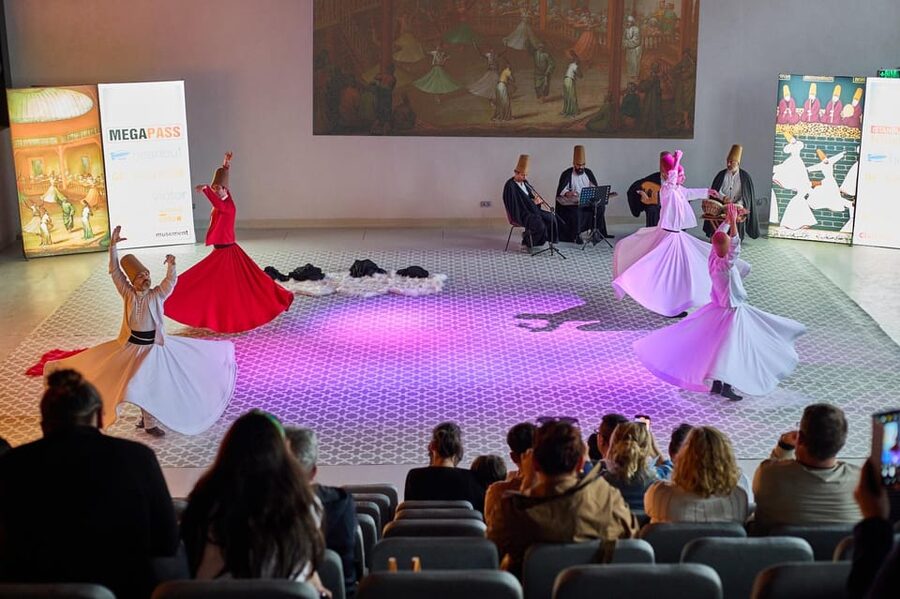
Inside, seating is arranged so that you can see the ceremony from every place. The chairs have been described as comfortable, which is welcome during a ritual where much of the impact comes from watching small movements over time. The hall is not being sold as a grand mosque or historic lodge, so keep your expectations realistic. Its value is the intimate setting and the connection with local arts work.
The space is wheelchair accessible, but access may require staff assistance. One booking party found that the team worked to make access possible even though it was not completely effortless. If you use a wheelchair, contact the provider ahead of time and arrive early.
The introduction gives the turning its meaning
Before the music and prayer begin, a host provides an introduction. This is not filler. It is the part that helps you understand why the ceremony follows such a careful sequence.
You learn about Sufism, the background of the dervish tradition, and the symbolism behind the movements. Rumi is part of that story, and you will get more from the evening if you know at least a little about Rumi and Shams Tabrizi before arriving.
The introduction has received strong praise for making the ritual easier to follow. A guide named Kasl was especially helpful to one group, including a visitor who needed wheelchair assistance. The host also answers questions after the ceremony, giving you a chance to clarify points that may seem mysterious at first.
There are a few limits. The live explanation is in English, and some people found that the speaker moved too fast. If you are not fully comfortable with spoken English, use the included smart audio guide. It offers information in English, German, French, Italian, Russian, Spanish, and Arabic.
A short printed-style summary before the ceremony would also help. The digital guide covers Sufism, Rumi, and the ceremony, but you may want to read it before entering rather than trying to absorb everything afterward.
Listening to the ney, strings, drums, and old Turkish music
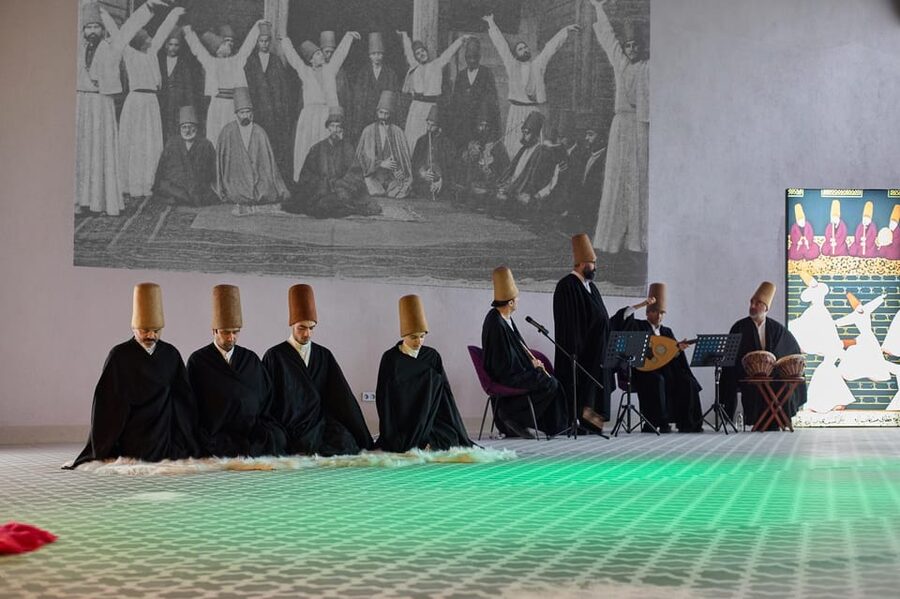
The musical opening prepares you for the ritual. Traditional instruments include strings, drums, and flutes, especially the ney, a reed flute closely linked with Sufi music.
The music is not background decoration. It sets the pace and gives the ceremony its emotional shape. The pieces performed here were composed between the 1400s and the early 1800s, so the sound points back to an older Istanbul and a wider Persian and Turkish Sufi tradition.
You will hear the music before the dervishes begin turning. That opening helps your ears adjust to the style. Rather than rushing straight into the main action, the ceremony allows the sound to establish a quiet frame.
Many people find the musicians one of the strongest parts of the evening. The music can be stirring, but it may also feel unfamiliar. The prayers and songs are not translated into English during the ceremony, which limits your understanding of the words. The host’s explanation helps with the larger meaning, but it cannot replace a line-by-line translation.
For that reason, read about the ney, Rumi, and Sufi thought before you go if you want more than a visual impression. Even a little preparation can help you hear the music as part of a spiritual tradition, not simply as an atmospheric soundtrack.
A completely different kind of day out:
- Istanbul: Bosphorus Dinner Cruise & Show with Private Table
★ 4.8 · 44,561 reviews - Istanbul: Daytime or Sunset Sightseeing Cruise & Audio Guide
★ 4.8 · 14,430 reviews - Istanbul: Bosphorus Dinner Cruise with Turkish Night Show
★ 4.8 · 10,127 reviews - Best of Istanbul 1, 2 or 3-Day Private Guided Istanbul Tour
★ 5.0 · 8,922 reviews
Watching the dervishes begin their turning
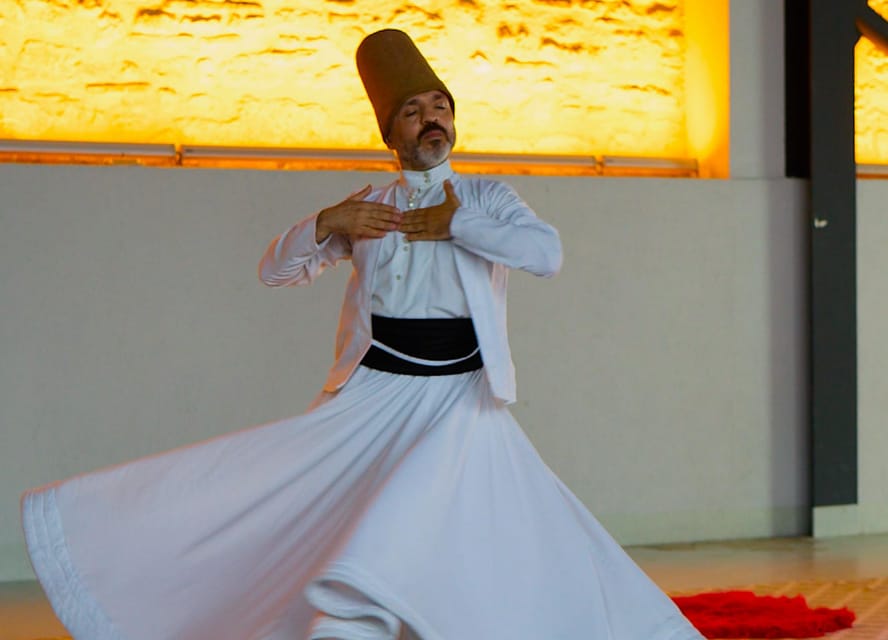
The dervishes enter calmly, then the ritual develops through music, prayer, and movement. The turning starts in a controlled way and gradually follows the rhythm more fully.
The effect is less about speed than balance. The dervishes keep their attention inward while their bodies move in a repeated circular pattern. Their long white garments create a soft visual motion, but the meaning comes from the discipline behind it.
The ceremony’s symbolism is explained before and sometimes after the ritual. The turning is linked with the movement of the universe and the surrender of the self. The raised hand and lowered hand express receiving from above and giving to the world below.
You may find the scene calming, moving, or simply fascinating. You may also find it repetitive. That is not a flaw in the ceremony, but it is an important warning for anyone who wants a fast cultural show.
Silence is required. Avoid talking, noisy movement, and phone use during the ritual. One of the best ways to appreciate the ceremony is to let the room stay quiet and allow the music to carry the pace. Taking photos or video is allowed, but I would keep it brief. A glowing phone screen can pull you out of the moment and distract people around you.
The hall’s illuminated panels have caused harsh reflections in photographs. If you care about pictures, you may need to accept that the best memory will be the one you carry rather than the one you post.
Tea, sherbet, and the small details after the ritual
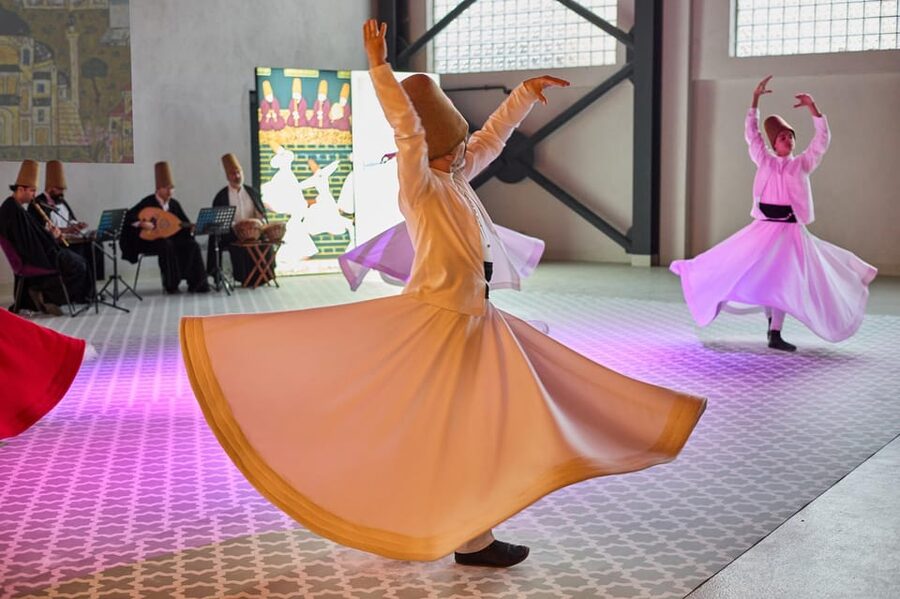
At the end, you receive a local drink, choosing tea or sherbet, along with water. It is a modest inclusion, but it fits the setting and gives you a gentle way to return to ordinary conversation.
The drink is not a meal, and food and other drinks are not included. Think of it as a welcome and farewell gesture, not a refreshment stop. If you need dinner, plan it separately around the ceremony.
The post-ceremony question period can add real value. You might ask about the gestures, the instruments, the role of prayer, or the connection to Rumi. It also lets the host explain details that would interrupt the ritual if they were discussed during it.
The arts center’s educational purpose makes the drink and the venue feel more meaningful. Ticket income helps fund scholarships, and the center also supports arts education. You are not simply paying for an hour of entertainment. At least part of the money helps local students and artists, according to the information provided at the venue.
Is $17 a fair price in central Istanbul?
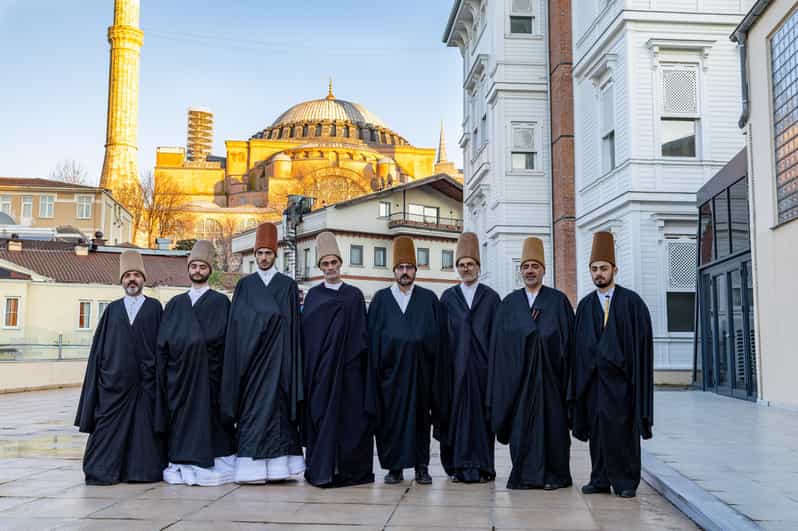
At $17 per person, I consider this strong value, especially because the price includes entrance, live music, the ceremony, a traditional drink, water, and a multilingual digital guide.
The location adds practical value. You can place it beside a visit to the Basilica Cistern or Hagia Sophia without losing half a day to transport. The duration is also useful. Fifty-five minutes gives you enough time to feel the ceremony’s rhythm without committing an entire evening.
Some alternatives in Istanbul cost much more, particularly when they add dinner, transport, or a larger stage production. This experience keeps the focus on the ritual and the music, which helps keep the cost low.
There are tradeoffs. Children generally pay the full price, and children under two are not suitable for the activity. Families with young children should consider the required silence and slow pace. If your child needs to move around or ask questions during the ceremony, this will be difficult.
You can cancel up to 24 hours before the start for a full refund, and the reserve-now, pay-later option makes it easier to fit into a changing Istanbul schedule. Those policies are useful when you are juggling weather, museum slots, and ferry plans.
Who will appreciate this 55-minute experience?
I would choose this ceremony if you want a cultural evening with spiritual weight rather than a standard sightseeing activity. It suits people interested in Sufism, Rumi, Turkish music, religious traditions, and quiet forms of artistic expression.
It is also a good first introduction to the whirling dervishes because the host explains the ceremony before you watch it. You do not need a background in Islamic history, though a little reading will make the symbolism easier to grasp.
You may want to skip it if you need constant action, spoken translation of every song, or a large theatrical show. The event can feel short for the price of the preparation, and the spoken introduction may be difficult if the host talks too quickly.
For photographers, the venue offers good sightlines and comfortable seating, but reflective panels may interfere with clean images. For anyone seeking a quiet hour in the center of Istanbul, the setting is especially convenient.
Dress and behavior should reflect the religious nature of the ceremony. The rules are simple: keep quiet, avoid phone distractions, and use the restroom before or after. The venue specifically asks you not to make noise.
Should you book the Whirling Dervish ceremony?
Yes, if you approach it as a prayer ceremony with music, not as a dance performance. The excellent location, sincere atmosphere, helpful introduction, local drink, and $17 price make it one of the easier cultural choices in Sultanahmet.
I would book it for an evening when you have already seen the main monuments and want something slower. Read a little about Rumi, Shams Tabrizi, and the ney beforehand, arrive at the white wooden house early, and put your phone away once the ritual begins.
Skip it if your group cannot remain silent or if you want English translations of the prayers. For everyone else, this is a thoughtful way to encounter a living Istanbul tradition while supporting a local arts and scholarship program.
FAQ
How long does the Whirling Dervish ceremony last?
The ceremony lasts 55 minutes.
How much does the experience cost?
The listed price is $17 per person.
Where is the meeting point?
Meet your host next to the entrance of the Basilica Cistern. The reception desk is at the gate of the large white wooden house.
When does the entrance gate open?
The gate opens 30 minutes before the ceremony begins.
Is Hagia Sophia close to the venue?
Yes. The ceremony takes place next to Hagia Sophia, in the historic center of Istanbul.
Is the ceremony suitable for children?
Children under two are not suitable for this activity. Older children can attend, but they must be able to respect the required silence and still atmosphere.
Is the venue wheelchair accessible?
Yes, the activity is listed as wheelchair accessible. Staff assistance may be needed, so contacting the provider ahead of time is sensible.
Is a guide included?
Yes. A live English-speaking guide provides explanations, and a smart audio guide is available in English, German, French, Italian, Russian, Spanish, and Arabic.
Are drinks included?
Yes. You receive water and one local traditional drink, either tea or sherbet. Food and other drinks are not included.
Can I take photos or videos?
Photos and videos are allowed, but silence is important. Reflective panels in the hall may make photography more difficult.
Can I cancel my booking?
You can cancel up to 24 hours in advance for a full refund. The reserve-now, pay-later option is also available.
More Mosques and Religious Sites in Istanbul
- Istanbul: Blue Mosque & Hagia Sophia Guided Tour w/ Tickets
★ 4.8 · 3,600 reviews - Istanbul: Blue Mosque Guided Tour
★ 4.5 · 1,910 reviews - Istanbul: Blue Mosque, Hagia Sophia, & Basilica Cistern Tour
★ 4.7 · 1,806 reviews - Istanbul: Blue Mosque, Basilica Cistern, & Hagia Sophia Tour
★ 4.3 · 1,634 reviews
Just added in Istanbul
- Private Tour: Istanbul’s Ottoman Experience Including Topkapi Palace and Blue Mosque★ 4.5 · 16 reviews
- Private istanbul tour with transportation★ 5.0 · 36 reviews
- Private Customizable Istanbul Day Tour with Licensed Guide★ 5.0 · 64 reviews
- IstanbulBasilicaCistern/fastEntranceEnglish/Spanish (not tickets)★ 4.0 · 184 reviews
- Private Old City Guided Tour★ 5.0 · 129 reviews
- Private Princes’ Islands Tour★ 5.0 · 56 reviews
- Private Bosphorus Cruise and Egyptian Bazaar with Motor Yacht★ 4.0 · 24 reviews
- Istanbul Private Tour Designed for Layover Flight, Transfer incl.★ 5.0 · 164 reviews
Mosques and Religious Sites, compared.
Blue Mosque & Hagia Sophia Guided Tour w/ Tickets
Read our review →
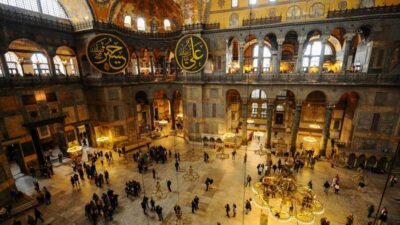
Blue Mosque, Hagia Sophia, & Basilica Cistern Tour
Read our review →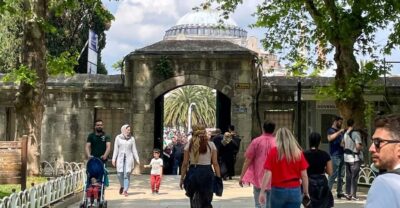
Blue Mosque, Basilica Cistern, & Hagia Sophia Tour
Read our review →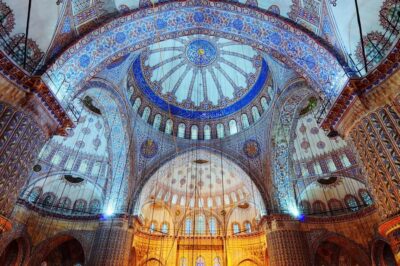
Blue Mosque and Hagia Sophia Tour w/Entry Tickets
Read our review →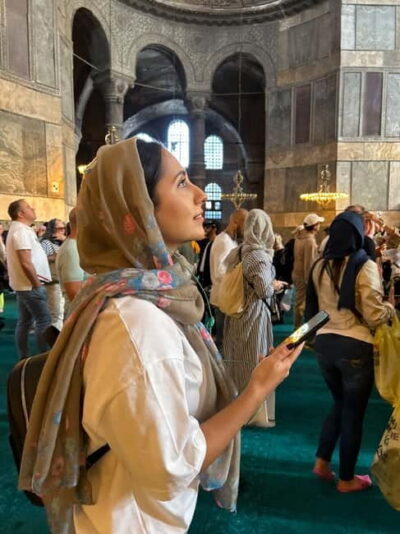
Hagia Sophia Ticket with Audio Guide & Blue Mosque
Read our review →
Istanbul Highlights! Blue Mosque, Hagia Sophia, Topkapı and More!
Read our review →
Hagia Sophia, Blue Mosque, Suleymaniye Mosque Tour
Read our review →Browse the lists this tour appears in