Reviewed · ISTANBUL TOURS
Glories of Turkey 12-Day From Istanbul
Ancient wonders, one well-planned route. The Glories of Turkey tour links Istanbul, Gallipoli, Troy, Ephesus, Pamukkale, Antalya, Konya, and Cappadocia in 12 days, giving you a broad first look at the country without the usual scramble of arranging hotels, guides, entrance tickets, and long-distance transport yourself. I especially like the small-group format and the mix of major archaeological sites with local activities such as pottery making and carpet weaving.
I also like that the price includes accommodation, breakfasts, entrance fees, ground transport, professional guiding, and airport transfers in Istanbul. The main caution is the pace: many days run for seven or eight hours, and the published schedule has some unclear wording around Pamukkale and Laodicea. Confirm those details before paying, since this experience is non-refundable.
In This Review
- Key points to know before booking
- Istanbul gives you a grand opening
- Gallipoli brings a quieter kind of history
- Troy and Behramkale add village life
- Ephesus is the archaeological high point
- Pamukkale and Laodicea need clarification
- Perge, Aspendos, and Side show Roman Turkey
- Konya connects trade routes and spiritual life
- Cappadocia delivers the visual payoff
- What the price includes, and where costs continue
- Small groups make a real difference
- Who should book the Glories of Turkey tour?
- FAQ
- Where does the Glories of Turkey tour begin?
- Where does the tour end?
- How long is the tour?
- What is the maximum group size?
- Is breakfast included?
- Is the Cappadocia to Istanbul flight included?
- Are entrance fees included?
- Is hotel pickup provided?
Key points to know before booking
- Maximum group of 20: Departures may be much smaller, with past groups of two, five, eight, or 11 people.
- A strong first-time route: You see Turkey’s major ancient sites, two important museums, Istanbul’s imperial monuments, and Cappadocia’s unusual rock formations.
- Long touring days: Most sightseeing days last seven or eight hours, with considerable time on the road.
- Useful inclusions: Hotels, breakfast, guides, vehicle transport, entrance fees, Istanbul transfers, and the Cappadocia to Istanbul domestic flight are included.
- Local craft visits: The itinerary includes demonstrations of carpet weaving and hand-made pottery, adding a human side to the archaeological stops.
- Price and commitment: At $2,904.10 per person, the package can offer fair value for a guided circuit, but optional activities, tips, insurance, and some meals cost extra.
Istanbul gives you a grand opening
Your trip begins with an airport pickup in Istanbul and a transfer to your hotel. The first day is light, with about three hours listed for arrival arrangements and free time, which is useful after a long international flight.
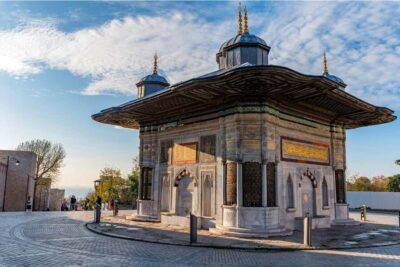
On the second day, you spend about seven hours in Sultanahmet, Istanbul’s historic core. The route includes the Blue Mosque, Hagia Sophia, Topkapi Palace, Hagia Irene, the Harem, and the Hippodrome. Entrance fees are included, so you can focus on the buildings and the stories rather than queueing for tickets or calculating costs at every gate.
Topkapi Palace deserves your attention. It is not just a royal residence, but a collection of courtyards, gardens, ceremonial rooms, and state treasures. The Harem requires extra time because its tiled rooms and private quarters give you a better sense of palace life than a quick walk through the main exhibits.
An optional half-day Bosphorus cruise is offered in the afternoon. This is a pleasant way to see the waterway separating Europe and Asia, but it is optional, not part of the core package. Ask how much time it receives on your departure. One past account described a shortened Bosphorus portion because of another paid activity, so it is worth making your priorities clear.
Istanbul can feel hectic, especially around the main monuments. A good guide helps you get your bearings quickly and explains how Byzantine, Ottoman, and modern Turkish life overlap in the same neighborhoods. Guides on different departures have included Tamer, Fatih Karci, Omar, and others, so the exact person will vary.
A few more options to weigh up in Istanbul
- Istanbul: Bosphorus Dinner Cruise & Show with Private Table
★ 4.8 · 44,561 reviews - Istanbul: Daytime or Sunset Sightseeing Cruise & Audio Guide
★ 4.8 · 14,430 reviews - Istanbul: Bosphorus Dinner Cruise with Turkish Night Show
★ 4.8 · 10,127 reviews
Gallipoli brings a quieter kind of history
Day three crosses toward Gallipoli for a full day at the First World War battlefields. This is not a casual sightseeing stop. Lone Pine, Chunuk Bair, ANZAC Cove, The Nek, Johnston’s Jolly, the trenches, and the tunnels all carry a serious emotional weight.
The value here comes from context. Without a guide, the scattered sites can be difficult to understand. With clear explanations, the ridges, shorelines, memorials, and old defensive positions begin to show how difficult the campaign was for everyone involved.
The day is listed at eight hours, and road time forms part of that schedule. Wear practical shoes and bring water. Gallipoli is best approached with patience rather than a checklist mentality. You will have many stops, but the memorials deserve a few quiet minutes.
Troy and Behramkale add village life
From Çanakkale, the route continues to Troy. You visit the archaeological site and the award-winning Troy Museum, which gives useful background before or after seeing the ruins themselves.
Troy is a layered site. Several settlements occupied the area over time, and the remains do not look like a complete city in the way Ephesus does. The museum helps fill in the gaps, especially if you want to understand the objects and cultures connected with the site.
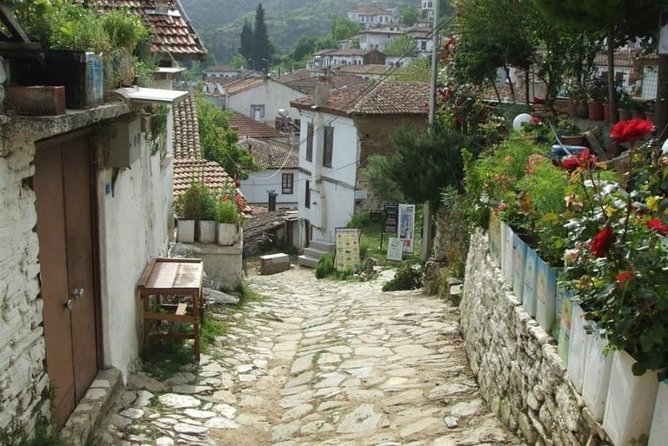
The same day continues to Behramkale, an old village with stone houses and narrow lanes. You have time to walk around, enjoy the scenery, and perhaps stop for Turkish tea or coffee. This is one of the better changes of pace in the itinerary. After so many ancient stones, a living village gives you a glimpse of everyday Turkey.
It is still an eight-hour day, followed by travel to Kuşadası. You should expect a touring day rather than a relaxed village afternoon.
Ephesus is the archaeological high point
Ephesus receives a full guided visit on day five, and this is likely to be one of your strongest days. The ancient theater, streets, public buildings, and surviving monuments help you picture a working city rather than a collection of isolated ruins.
The Temple of Artemis site is also included. Only limited remains survive there, but the location matters because the temple was one of the ancient world’s great religious centers.
You then visit the Ephesus Archaeology Museum, which puts smaller objects and sculptures back into the story of the city. I prefer this combination to visiting the ruins alone. The site shows scale, while the museum shows the people, rituals, and craftsmanship behind it.
The carpet village visit follows. You learn how carpets are made by hand and how knotting, materials, design, and labor affect value. This is a useful cultural stop, though craft demonstrations can sometimes lead to a sales presentation. You are not required to buy anything, so enjoy the explanation and decide for yourself.
A completely different kind of day out:
- Best of Istanbul 1, 2 or 3-Day Private Guided Istanbul Tour
★ 5.0 · 8,922 reviews - Istanbul: Basilica Cistern Fast-Track Entry and Audio Guide
★ 4.6 · 7,521 reviews - Istanbul: Hagia Sophia Skip-the-Line Ticket & Museum Option
★ 3.7 · 4,958 reviews - Istanbul: Hodjapasha Whirling Dervishes Show & Exhibition
★ 4.4 · 4,790 reviews
Pamukkale and Laodicea need clarification
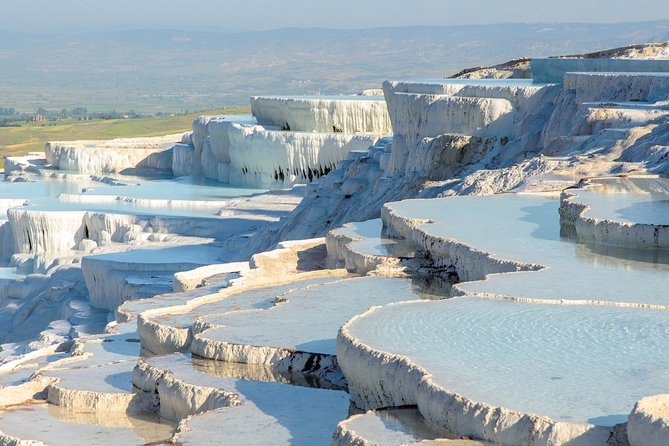
The sixth and seventh days contain the least clear part of the published schedule. Day six is labeled Pamukkale, but its description says you visit Laodicea and then continue to Antalya, where you visit the Necropol Museum. Day seven repeats the Laodicea to Antalya route and lists the Antalya Archaeological Museum in the afternoon.
That wording may reflect a scheduling or editing mistake. Pamukkale is named in the day heading, but the detailed text does not clearly describe a visit to the white travertine terraces or the ancient city of Hierapolis. Before booking, ask Fez Travel to confirm exactly where Pamukkale fits, which museum is visited, and where you sleep on each night.
Laodicea itself is an important ancient city in the Lycus River Valley. The site was also known as Diospolis, or City of Zeus, and its remains help connect the region’s Greek and Roman periods.
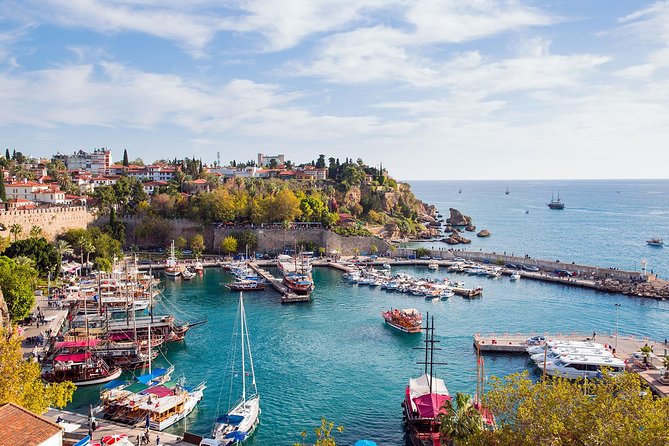
Antalya adds a welcome coastal setting and two museum possibilities in the schedule. The Necropol Museum focuses on burial customs and artifacts from different periods, while the Antalya Archaeological Museum offers a wider collection of regional finds. Both can help you read the ruins you see later, though the itinerary does not make the sequence fully clear.
This is exactly the sort of detail you should settle in writing. The broader route is strong, but the day six and day seven descriptions are not precise enough to rely on without confirmation.
Perge, Aspendos, and Side show Roman Turkey
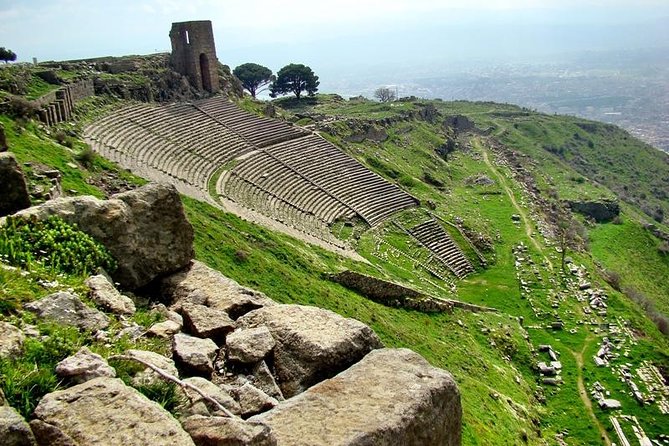
Day eight is devoted to major classical sites around Antalya. Perge gives you broad ruins and a sense of urban planning, while Aspendos is famous for its Roman theater, built in the second century and designed to seat about 15,000 people.
Aspendos is especially rewarding because the theater remains visually complete. Its scale is easy to grasp, even if you are not an archaeology specialist. The site makes a good contrast with Troy, where the remains are more fragmentary.
The schedule also includes Side, with its Temple of Apollo and ancient ruins. The stop is listed under Aspendos Ruins, so confirm how much time is allocated to each location. The day lasts around seven hours, making it full but manageable compared with some of the longer road days.
If you enjoy Roman architecture, this section earns its place. If you prefer beaches and free time, the schedule offers little of it here because the focus remains firmly on ruins and museums.
Konya connects trade routes and spiritual life
The journey to Cappadocia passes through central Turkey and includes Sultanhani Caravansary and the Mevlana Museum in Konya. This is another long day, listed at about eight hours, but the stops break up the drive.
A caravansary was a stopping place for merchants and caravans moving along major trade routes. Sultanhani helps you picture the practical side of long-distance travel before modern roads and hotels.
Konya’s Mevlana Museum introduces the life and legacy of Jalal al-Din Rumi and the Mevlevi tradition. The visit adds a spiritual and cultural dimension to a tour otherwise dominated by imperial buildings and ancient cities.
This day is about connections rather than one giant sight. You move from the Aegean and Mediterranean regions into central Anatolia, seeing how trade and religious life shaped the country.
Cappadocia delivers the visual payoff
Cappadocia receives two full sightseeing days, which is important because the region is too unusual to rush through in a single stop.
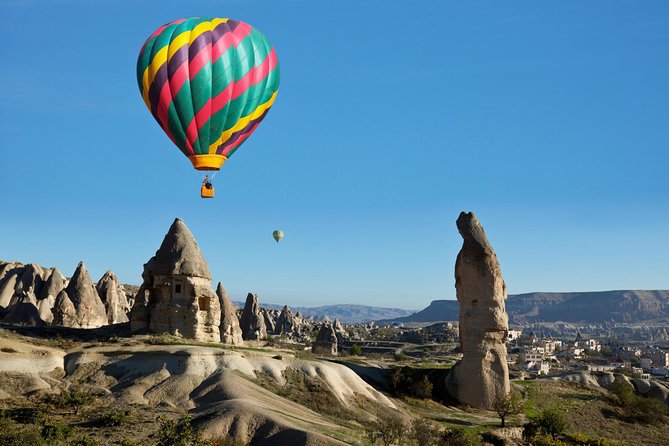
The first day visits Pigeon Valley and Red Valley, then continues to Çavuşin village and Avanos. The valleys provide the famous fairy-chimney scenery, while Çavuşin offers a closer look at an old settlement. In Avanos, you learn about hand-made pottery, a craft tied to the area’s clay-rich soil and long local tradition.
The second day includes the Göreme Valley Open Air Museum, more fairy chimneys, and an underground city. Göreme’s rock-cut churches and painted interiors show how people adapted the soft volcanic rock for worship and daily life.
The underground city is physically demanding for some people. You may walk through narrow passages and move between several levels. The supplied information says most people can participate, but anyone uneasy in tight spaces should ask the guide how extensive the route will be.
A hot-air balloon flight is not included. Several accounts connected with this tour family praised ballooning in Cappadocia, but you should treat it as an optional extra rather than part of the $2,904.10 price. The same applies to other suggested activities.
After the second Cappadocia touring day, you take an evening domestic flight to Istanbul. That is a practical finish because it avoids another long overland journey.
What the price includes, and where costs continue
At $2,904.10 per person, this is not a shoestring tour. It is also more than a simple sightseeing package because it covers 12 days of hotels, a professional guide, air-conditioned non-smoking vehicle transport, entrance fees, breakfasts, Istanbul airport transfers, and the Cappadocia to Istanbul flight.
The value is strongest if you want one booking to handle the complicated parts. Turkey is large, and the route covers several regions. Arranging these transfers, hotels, museum tickets, and domestic flights yourself would take time and would require careful coordination.
The price does not include compulsory travel insurance, tips for the guide and driver, or suggested optional activities. Dinner is listed as optional, and the inclusion notes also label breakfast as optional in one place, even though the highlights say breakfast is included. Ask for the current meal policy before you book.
Food is another point to clarify. Many departures included good local meals, with guides making an effort to choose regional specialties. One Spanish-language account raised concerns about expensive restaurants and poor food, so do not assume every included or recommended meal will suit you. Ask whether dinners are included on your dates and whether you can choose your own restaurants during free time.
Small groups make a real difference
The advertised maximum is 20 people, but actual departures can be far smaller. Groups of two, five, eight, and 11 have been reported, and a small group can change the feel of the entire trip.
A compact group makes hotel pickups faster, lets you hear the guide more easily, and gives you a better chance to ask questions. It may also help with timing at sites such as Ephesus and Cappadocia.
The tradeoff is that you do not control the group size. A departure could be larger, up to the stated maximum, and the tour requires a minimum number of participants. Confirmation is normally supplied at booking, but bookings made within nine days of departure may take up to 48 hours.
Guide quality is central to this experience. Fatih Karci received repeated praise for site explanations and group management. Tamer was described as friendly, flexible, and attentive, while Omar was credited with adding lesser-known Istanbul stops to the main sights. Guide assignments can change, but these examples show the level of personal service you may receive.
Accommodation is generally described as good, though not every hotel has pleased everyone. One specific Istanbul hotel, Nidya, received criticism for an unpleasant smell. Hotel standards can vary, so ask for the planned properties and whether substitutions are possible.
Who should book the Glories of Turkey tour?
I would recommend this trip to a first-time visitor who wants to see Turkey’s major sights with a guide and does not want to manage a large number of hotel and transport bookings.
It suits you best if you enjoy archaeology, museums, long sightseeing days, and changing scenery. It also works well for people who value cultural context, since carpet weaving, pottery, village life, and Konya’s Mevlana Museum keep the trip from becoming a simple parade of ruins.
I would hesitate if you want slow mornings, beach time, or complete control over meals and hotels. The route is ambitious, and the seven and eight-hour days include driving. I would also ask for a corrected day six and day seven schedule before committing.
The non-refundable policy matters. You should have suitable travel insurance and be comfortable with the dates before paying. If the route, pace, and unclear Pamukkale details are acceptable, the 12-day package offers a well-supported introduction to Turkey at a reasonable all-in price for its coverage.
FAQ
Where does the Glories of Turkey tour begin?
The tour begins at Istanbul International Airport in Istanbul, Turkey, where an arrival transfer is provided.
Where does the tour end?
The tour ends back at the Istanbul meeting point after your transfer to the airport for your onward flight.
How long is the tour?
The experience lasts approximately 12 days.
What is the maximum group size?
The maximum group size is 20 people. Actual groups may be smaller.
Is breakfast included?
Breakfast is listed among the tour highlights and inclusions, but one section labels it as optional. Confirm the current breakfast arrangement before booking.
Is the Cappadocia to Istanbul flight included?
Yes. The domestic flight from Cappadocia to Istanbul is included.
Are entrance fees included?
Yes. Entrance fees are included in the tour price.
Is hotel pickup provided?
Yes. Hotel pickup and drop-off are included, along with arrival and departure airport transfers in Istanbul.
Just added in Istanbul
- Private Tour: Istanbul’s Ottoman Experience Including Topkapi Palace and Blue Mosque★ 4.5 · 16 reviews
- Private istanbul tour with transportation★ 5.0 · 36 reviews
- Private Customizable Istanbul Day Tour with Licensed Guide★ 5.0 · 64 reviews
- IstanbulBasilicaCistern/fastEntranceEnglish/Spanish (not tickets)★ 4.0 · 184 reviews
- Private Bosphorus Cruise and Egyptian Bazaar with Motor Yacht★ 4.0 · 24 reviews
- Private Old City Guided Tour★ 5.0 · 129 reviews
- Private Princes’ Islands Tour★ 5.0 · 56 reviews
- Istanbul Private Tour Designed for Layover Flight, Transfer incl.★ 5.0 · 164 reviews
Istanbul Tours, compared.
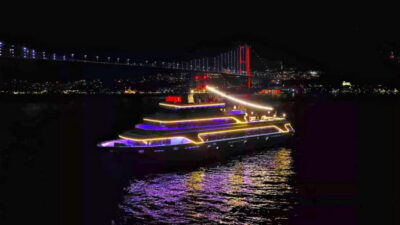
Bosphorus Dinner Cruise & Show with Private Table
Read our review →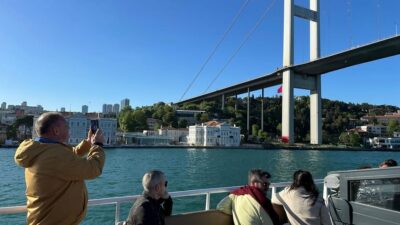
Daytime or Sunset Sightseeing Cruise & Audio Guide
Read our review →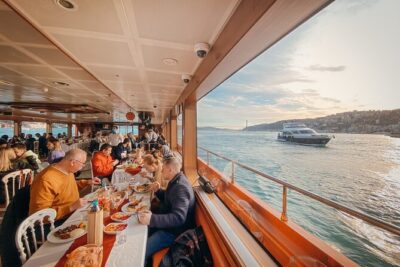
Bosphorus Dinner Cruise with Turkish Night Show
Read our review →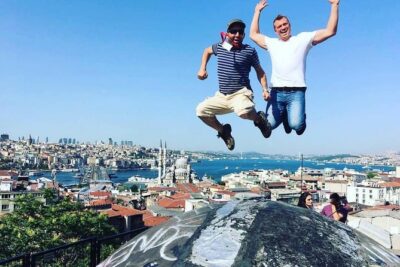
Best of Istanbul 1, 2 or 3-Day Private Guided Istanbul Tour
Read our review →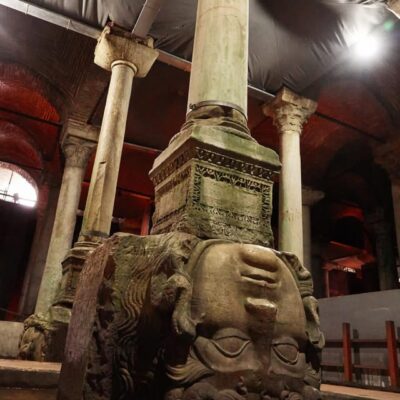
Basilica Cistern Fast-Track Entry and Audio Guide
Read our review →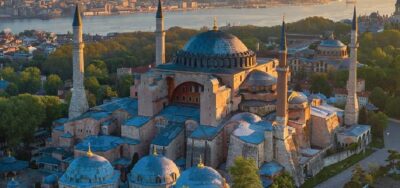
Hagia Sophia Skip-the-Line Ticket & Museum Option
Read our review →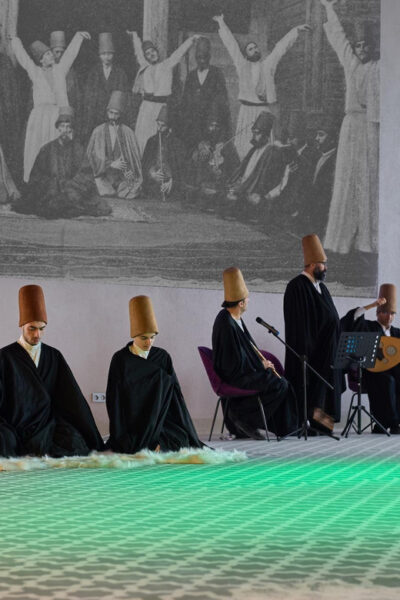
Hodjapasha Whirling Dervishes Show & Exhibition
Read our review →