
Reviewed · MUSEUMS AND GALLERIES
Istanbul: Hodjapasha Whirling Dervishes Show & Exhibition
Silence makes the spinning more powerful. At the HodjaPasha Culture Center, you enter a restored 550-year-old Ottoman bath for an hour of live music, prayer, and whirling dervishes. I like the historic setting and the way the booklet and foyer exhibition explain the Sufi ceremony before it begins. The main drawback is that the seating is close together, and the $32 price may feel high if you expect a lively dance performance.
This is not a stage spectacle with applause and flashy lighting. It is a solemn Mevlevi Sema ceremony, presented for visitors but treated with visible respect. I also like that photography, conversation, and clapping are forbidden, since the rules help preserve the quiet mood. If you want a fast-moving cultural show, the repeated spinning may feel slow.
In This Review
- Key points to know before you go
- Entering the 550-year-old HodjaPasha bath
- Read the exhibition before the music starts
- The classical Turkish music opening
- The arrival of the sheikh and dervishes
- Understanding the seven-part Sema
- Why the silence and no-photo rule help
- Comfort, timing, and the $32 price
- Who will appreciate this ceremony most
- A simple plan for your visit
- Should you book the HodjaPasha Sema ceremony?
- FAQ
- Where does the whirling dervish ceremony take place?
- How long does the ceremony last?
- What is included with the ticket?
- Can I take photographs or videos?
- Are young children allowed to attend?
- Are seats assigned?
- Can wheelchair users attend?
Key points to know before you go
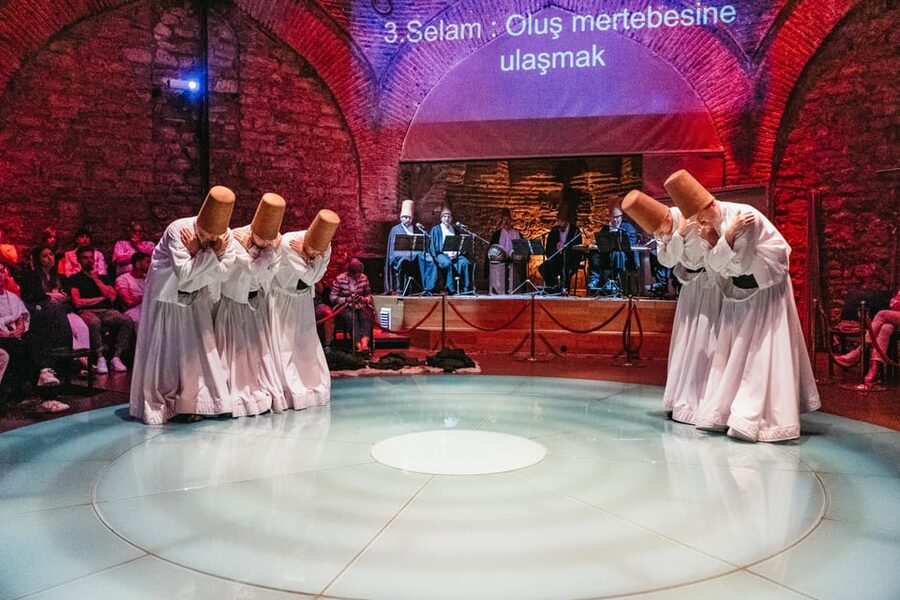
- The setting is a restored Ottoman bath: The ceremony takes place beneath the central dome of the historic HodjaPasha Culture Center.
- The music comes first: A classical Turkish music concert introduces the sound of the ceremony before the dervishes enter.
- The ritual has seven parts: The Sema represents humanity’s spiritual journey through thought, love, and devotion.
- Silence is part of the experience: No photos, talking, or applause are allowed during the ceremony.
- Arrive early for the exhibition: The foyer panels and artifacts give useful background, and seats are assigned in booking order.
- The hour suits first-time visitors: At $32, the experience offers a focused introduction to Sufi tradition without taking up an entire evening.
Entering the 550-year-old HodjaPasha bath
The location is one of the strongest reasons to book this experience. The HodjaPasha Culture Center sits in central Istanbul, about 100 meters from the Sirkeci Tram Stop, making it easy to reach from the Sultanahmet and Eminönü areas.
You enter a restored Ottoman Turkish bath, then make your way toward the performance space. The old stone, curved walls, and central dome create a close, echoing room. That matters here. The music does not need a large theater to carry, and the building’s acoustics give the ney flute and voices a soft, lingering sound.
Some seating is reached by stairs, so this is not suitable for wheelchair users. The seats are allocated in the order bookings are made, so booking early is your best chance of getting a favorable position. A few people have found the chairs narrow and packed tightly together, which can make the one-hour ceremony less comfortable than it ought to be.
I would arrive with enough time to find your seat without rushing. Late arrivals can distract from the ceremony, and the foyer exhibition is worth seeing before you sit down.
More Museums and Galleries in Istanbul
- Istanbul: Hagia Sophia Skip-the-Line Ticket & Museum Option
★ 3.7 · 4,958 reviews - Istanbul: Topkapi Palace & Harem Museum Ticket & Audio Guide
★ 4.1 · 3,977 reviews - Istanbul Hodjapasha Whirling Dervishes Show & Exhibition
★ 4.0 · 503 reviews
Read the exhibition before the music starts
The small exhibition and display area help turn an unfamiliar performance into something you can follow. Panels explain the Mevlevi tradition, the background of the dervishes, and the meaning of the movements. A program booklet is also provided.
I would not skip this part. Without any introduction, a visitor may see robes, turning, chanting, and music without understanding how they fit together. Even a few minutes with the display can explain why the ceremony is quiet, why the movements are repeated, and why the event is treated as prayer rather than entertainment.
The exhibition is not a substitute for a guide or a long museum visit. One useful improvement would be having someone available to answer questions, especially for visitors who want to understand Sufism in more detail. Still, the panels give you enough context to watch with greater attention.
You can also take in the building itself before the ceremony begins. The former bath is not just a convenient room; its age and shape are central to the atmosphere. The intimate setting keeps the dervishes close enough for you to notice their concentration and controlled movements.
The classical Turkish music opening
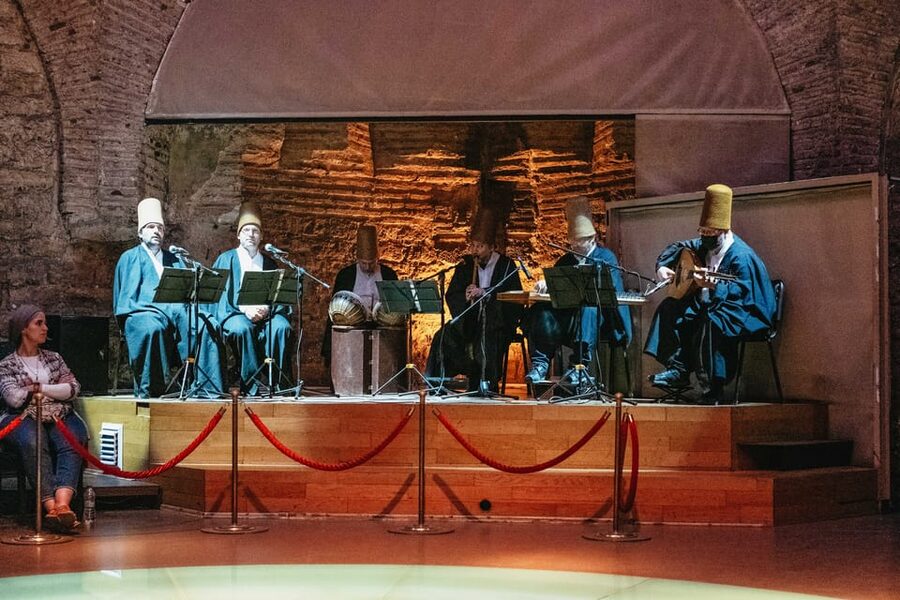
The program begins with a concert of classical Turkish music. This gives the first part of the hour a more measured pace, but it also prepares you for the ceremony’s sound world.
The musical group includes vocals, ney, oud, kanun, and Ottoman-era percussion. The ney, a reed flute, has a breathy, plaintive tone that can sound almost human. The kanun adds bright, delicate notes, while the oud and percussion give the music its frame.
This opening is important because the music is not background decoration. It guides the mood of the Sema and helps mark the movement from ordinary attention toward prayer. The room’s echoes are part of the effect, especially during the quieter instrumental passages.
If you expect constant motion from the first minute, you might find the concert slow. I think it earns its place. The performance works best when you accept the hour as a complete ceremony rather than waiting for the spinning to begin.
The arrival of the sheikh and dervishes
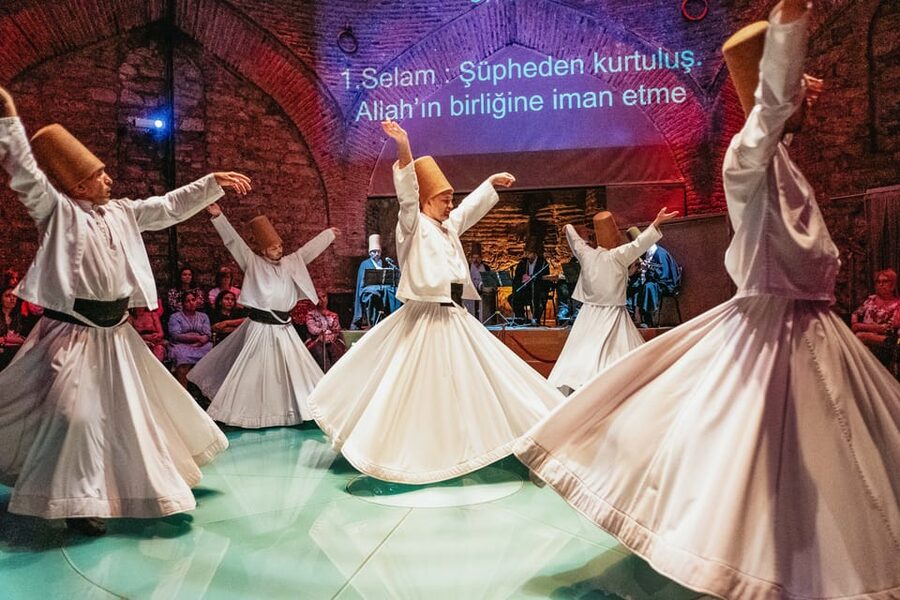
After the musical opening, the dervishes and sheikh take their places. The ceremony includes a praise of the Prophet Mohammed, followed by chanting and the sound of the drum.
This shift gives the event a clear religious character. The robes and turning are visually striking, but the ceremony is not built around spectacle. The participants are focused, and the audience is expected to watch quietly.
That distinction is worth keeping in mind. Calling it a dance show may set the wrong expectation. It is closer to witnessing a shortened religious reenactment and cultural presentation, with music and movement serving a spiritual purpose.
The experience can feel calming because the room asks you to stop taking photos, stop talking, and simply pay attention. Even visitors who know little about Sufi Islam can understand the value of that pause. Istanbul is a busy city, and one quiet hour in a historic building can be a welcome change of pace.
A completely different kind of day out:
- Istanbul: Bosphorus Dinner Cruise & Show with Private Table
★ 4.8 · 44,561 reviews - Istanbul: Daytime or Sunset Sightseeing Cruise & Audio Guide
★ 4.8 · 14,430 reviews - Istanbul: Bosphorus Dinner Cruise with Turkish Night Show
★ 4.8 · 10,127 reviews - Best of Istanbul 1, 2 or 3-Day Private Guided Istanbul Tour
★ 5.0 · 8,922 reviews
Understanding the seven-part Sema
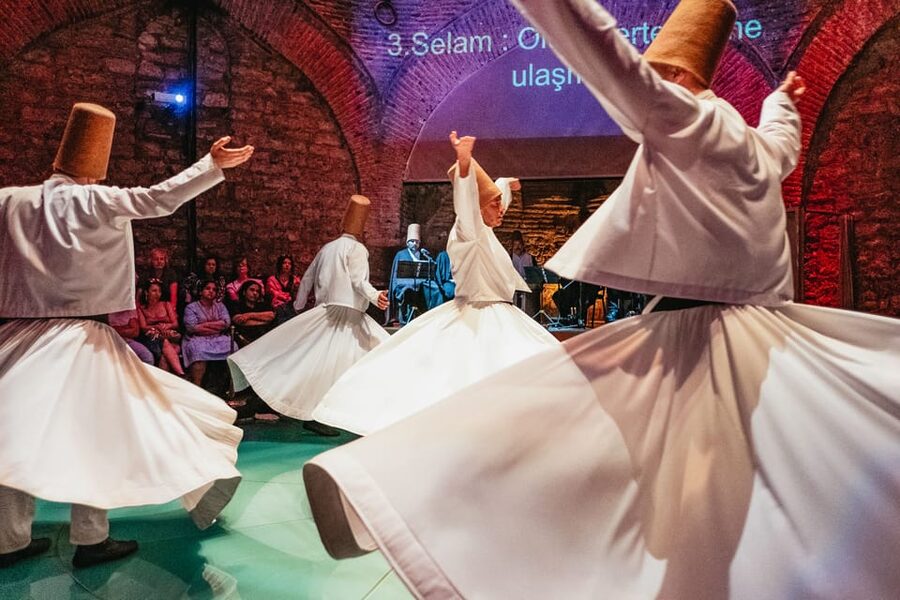
The central part of the program is the seven-part Sema ceremony. It represents the birth of humanity and man’s spiritual ascent through thought and love.
The booklet gives you a basic guide, but you do not need to memorize each stage to appreciate the structure. The ceremony moves through chant, instrumental passages, prayer, and the whirling itself. Each part has a place, so the spinning is not simply a repeated trick.
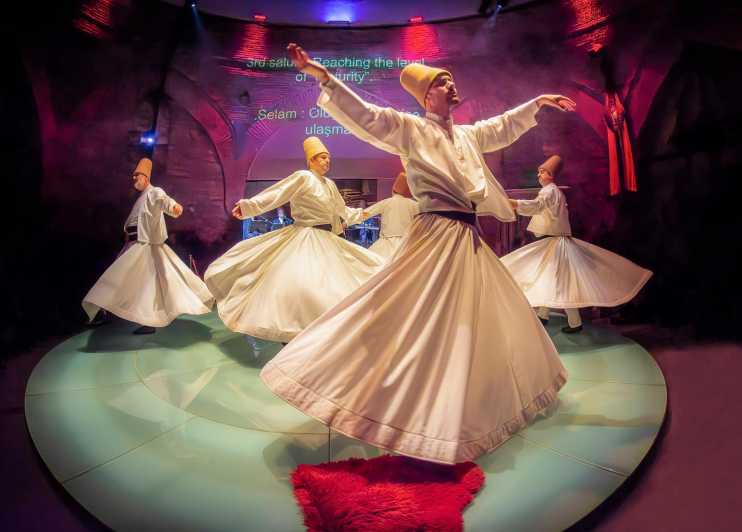
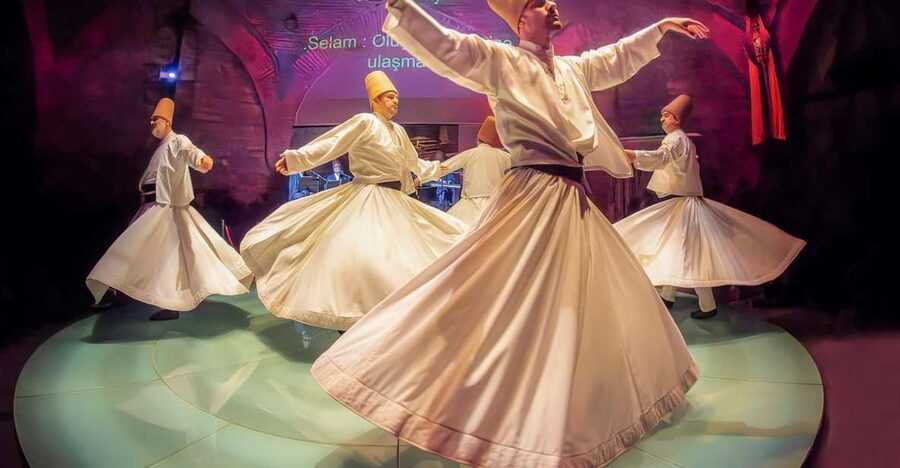
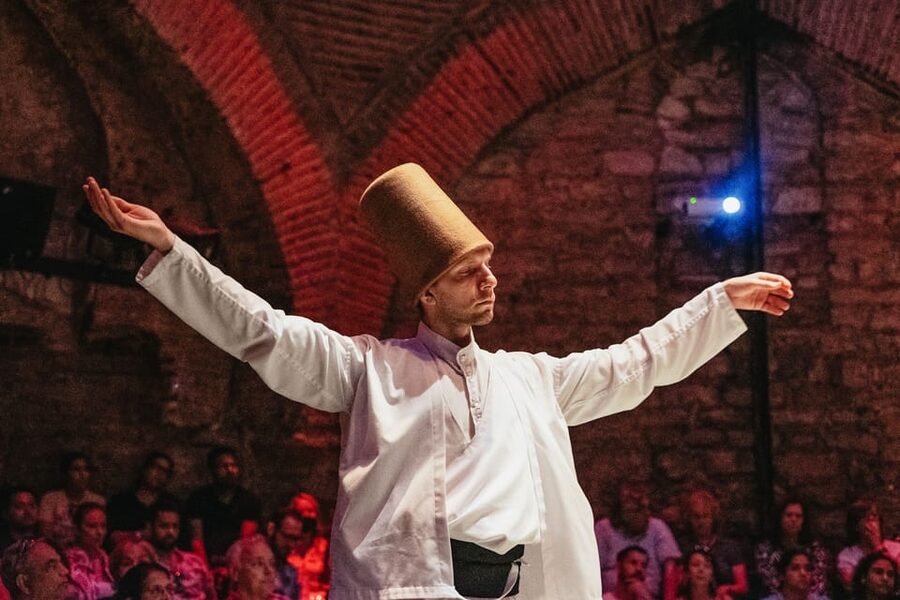
The dervishes wear long white skirts that spread as they turn. Their movement is controlled and steady. They rotate around the performance space while also turning individually, creating two circles of motion at once. The sight is simple, but its precision is remarkable.
You may notice that the whirling lasts for a substantial portion of the ceremony, with some performances featuring five dervishes turning for more than 35 minutes across the different stages. The movements can seem repetitive if you are looking only for variety. Their purpose, however, is concentration and spiritual focus, not choreography in the usual theatrical sense.
I would let your attention settle. Watch the arms, the balance, and the way the dancers stop cleanly after each section. The physical control is extraordinary, but the ceremony’s meaning matters as much as the skill.
Why the silence and no-photo rule help
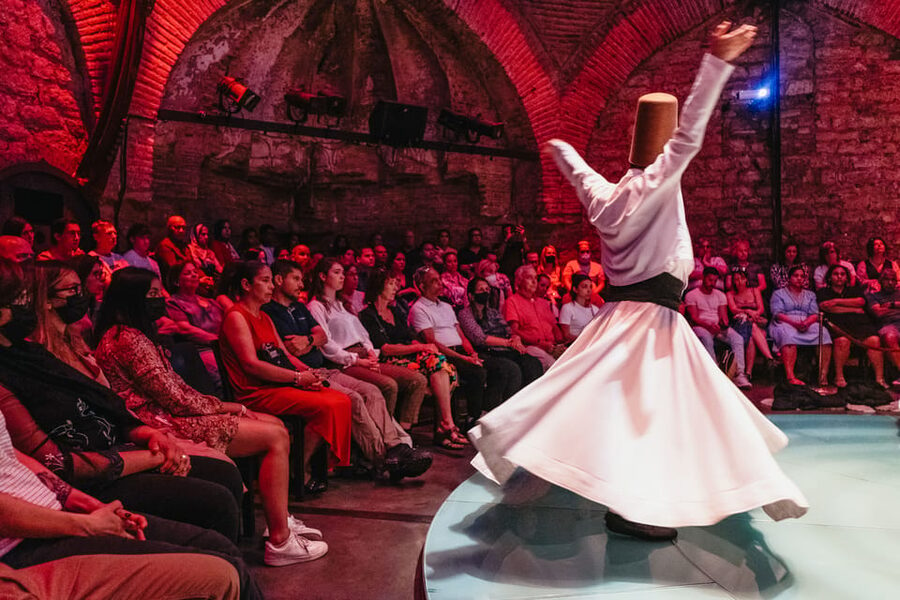
Photography is not allowed inside, and neither are talking or applause during the performance. Some people will find this inconvenient, especially when the spinning looks made for a camera. I think the rule improves the experience.
Phones would break the atmosphere and draw attention away from the participants. The ban also makes clear that this is not a conventional tourist show where the audience reacts after every impressive moment.
You should silence your phone before entering and avoid whispering once the ceremony starts. Bring water if you need it, since a cough or a restless seatmate can sound surprisingly loud in the stone room. Bottled drinking water is included, and complimentary drinks are available during the experience.
The lack of applause can feel strange at first. By the end, it feels appropriate. The ceremony finishes with a Fâtiha for the souls of prophets, martyrs, and believers, followed by a prayer for the salvation of the country. That ending calls for quiet attention rather than cheering.
Comfort, timing, and the $32 price
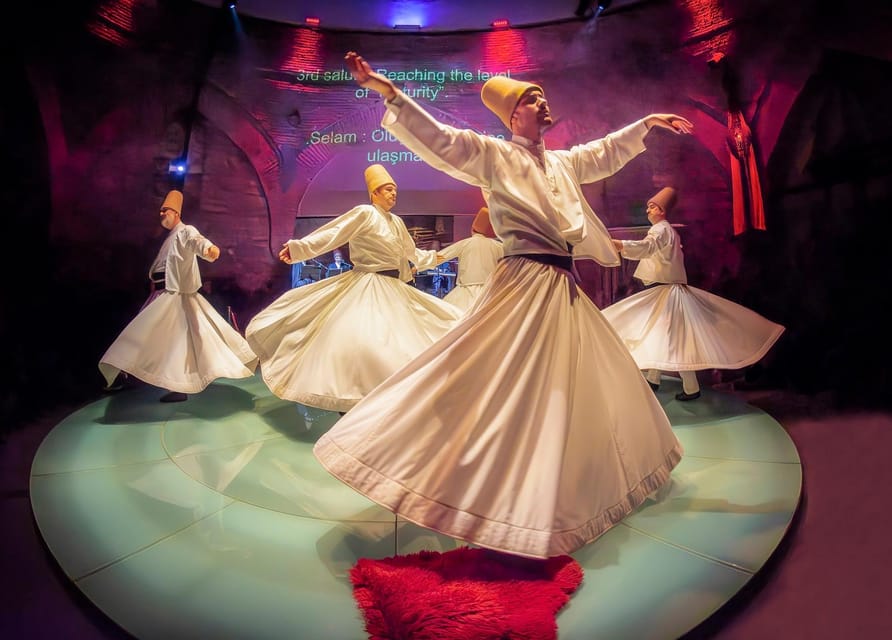
The experience lasts one hour. That is long enough to present a complete shortened ceremony, but short enough to fit neatly between sightseeing plans in Sultanahmet, Sirkeci, or Eminönü.
At $32 per person, the value depends on what you want from an evening in Istanbul. You are paying for more than a dance performance. The ticket includes entry to the Mevlevi Sema ceremony, the program booklet, bottled water, and access to a historic cultural center with an exhibition.
I consider the price fair if you care about music, architecture, and religious tradition. The building alone would not justify the ticket, but the setting, live musicians, explanation, and ceremony work well together.
The value is weaker if you are mainly interested in high-energy entertainment. The spinning is graceful and impressive, but it follows a formal pattern. There are no theatrical surprises, comic moments, or audience interaction.
Comfort is the other question. The seats can be close together, and some are less comfortable than you might hope for a full hour. Since seating is assigned by booking order, reserve ahead rather than waiting until the last minute.
Free cancellation is available up to 24 hours before the scheduled time, and you can reserve now and pay later. Check the available starting times when you book, since the exact schedule is not fixed in the information provided.
Who will appreciate this ceremony most
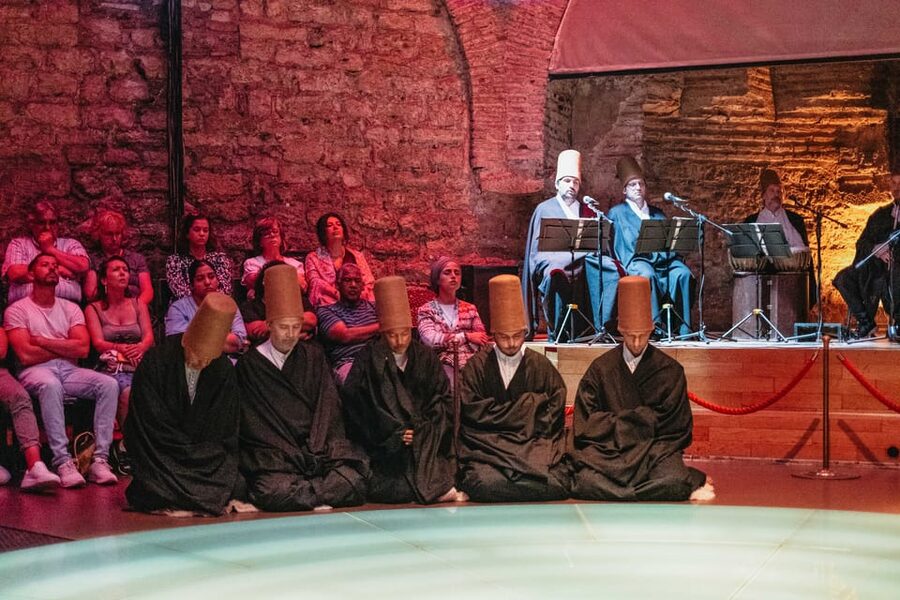
I would recommend HodjaPasha to you if you want to understand a quieter side of Turkish culture. It is especially suitable for first-time visitors who have seen photographs of whirling dervishes but have never witnessed the ritual in person.
It also suits visitors interested in:
- Sufi Islam and religious practice
- Classical Turkish music
- Ottoman architecture
- Small cultural performances
- Experiences that ask for quiet attention
The ceremony can be moving even if you are not religious. You do not need to share the beliefs behind the Sema to appreciate the discipline, music, setting, and devotion involved.
Children under seven are not permitted. Older children may appreciate the visual movement, but parents should explain beforehand that they must remain quiet and cannot take pictures. The performance is not suitable for anyone who needs wheelchair access because of the venue’s stairs.
I would not make this your first choice if you want a broad history lesson about Istanbul. The exhibition offers useful context, but the main purpose is to witness the ceremony. For wider Ottoman history, you will need another museum or guided visit.
A simple plan for your visit
Allow time to reach the center from the Sirkeci Tram Stop, then arrive early enough to see the exhibition and settle into your assigned seat. The foyer material is most useful before the ceremony, not afterward when you may be eager to move on.
Read the booklet, look at the panels, and take in the old bathhouse. Then put your phone away and accept the performance on its own terms.
During the music, listen for the contrast between the ney, the strings, the voices, and the percussion. When the dervishes begin to turn, watch the control of their hands, feet, and robes rather than treating the movement as a single visual effect.
The ceremony may leave you peaceful, puzzled, or simply impressed by the physical skill. All three are reasonable responses. You are not required to reach a spiritual revelation in one hour.
Should you book the HodjaPasha Sema ceremony?
Book it if you want an intimate, respectful introduction to the Mevlevi Sema and you value the combination of historic architecture, live Turkish music, and religious tradition. Arrive early, reserve ahead for better seating, and treat the hour as a ceremony rather than a conventional show.
Skip it if you need comfortable, widely spaced seating, cannot manage stairs, or prefer lively entertainment with audience response. For the right visitor, though, this is one of Istanbul’s more unusual cultural evenings, and the $32 fee buys a focused experience in a memorable setting.
FAQ
Where does the whirling dervish ceremony take place?
It takes place at the Hocapaşa Culture Center, also called the HodjaPasha Culture Center, about 100 meters from the Sirkeci Tram Stop in central Istanbul.
How long does the ceremony last?
The experience lasts one hour.
What is included with the ticket?
The ticket includes the Mevlevi Sema ceremony, a program booklet, and bottled drinking water. Complimentary drinks are also available during the experience.
Can I take photographs or videos?
No. Photography is not allowed inside, and talking and applause are also prohibited during the ceremony.
Are young children allowed to attend?
Children under seven are not permitted.
Are seats assigned?
Yes. Seats are allocated based on the order in which bookings are made, so booking early may help you receive a better position.
Can wheelchair users attend?
No. The experience is not suitable for wheelchair users. There are also stairs leading to the venue.
More Show in Istanbul
- Istanbul: Bosphorus Cruise with Dinner Show
★ 4.4 · 2,181 reviews - Bosphorus Dinner Cruise with Show and Private Table
★ 4.5 · 2,021 reviews - Istanbul: Hodjapasha Rhythm of The Dance Show
★ 4.7 · 1,451 reviews - Istanbul: Bosphorus Dinner Cruise with Turkish Night Show
★ 4.6 · 781 reviews
Just added in Istanbul
- Private Tour: Istanbul’s Ottoman Experience Including Topkapi Palace and Blue Mosque★ 4.5 · 16 reviews
- Private istanbul tour with transportation★ 5.0 · 36 reviews
- Private Customizable Istanbul Day Tour with Licensed Guide★ 5.0 · 64 reviews
- IstanbulBasilicaCistern/fastEntranceEnglish/Spanish (not tickets)★ 4.0 · 184 reviews
- Private Old City Guided Tour★ 5.0 · 129 reviews
- Private Princes’ Islands Tour★ 5.0 · 56 reviews
- Private Bosphorus Cruise and Egyptian Bazaar with Motor Yacht★ 4.0 · 24 reviews
- Istanbul Private Tour Designed for Layover Flight, Transfer incl.★ 5.0 · 164 reviews
Museums and Galleries, compared.
Hagia Sophia Skip-the-Line Ticket & Museum Option
Read our review →
Topkapi Palace & Harem Museum Ticket & Audio Guide
Read our review →
Small-Group Red Tour, Open Air Museum with Lunch
Read our review →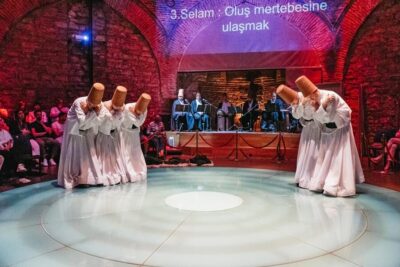
Istanbul Hodjapasha Whirling Dervishes Show & Exhibition
Read our review →
Topkapi Palace and Harem Museum Tour with Ticket
Read our review →
Official Museum Pass for 12 Most Popular Museums
Read our review →
Hagia Sophia Mosque and Museum Skip-The-Line Combo
Read our review →Browse the lists this tour appears in