Reviewed · GUIDED
Istanbul Small-Group City and Secret Streets Tour with Guide
Istanbul reveals itself one street at a time. This three-hour walk links the Old City’s biggest sights with quieter lanes, traditional craft spots, and two atmospheric markets, giving you a useful first look at the city without spending a full day on a guided program. I especially like the way it combines major landmarks with Sogukcesme Sokak and Caferaga Medresesi, and I value the practical advice about food, transport, photographs, and bazaar shopping.
The price is $72.59 per person, which is fair if you want a guide to explain the layers of Byzantine and Ottoman Istanbul and help you get oriented quickly. The main consideration is that the schedule is packed, admission is not generally included, and the tour is entirely on foot, with a moderate amount of walking.
In This Review
- Key things to know before you book
- Why this three-hour walk works as a first look
- Starting near the Basilica Cistern
- Sogukcesme Sokak and Caferaga Medresesi
- Hagia Sophia and Topkapi Palace from the outside
- Sultanahmet, the Hippodrome, and the Blue Mosque
- Sultanahmet Square is the photo break
- Tahtakale leads into the Spice Market
- What the guides add to the experience
- Price, group size, and walking effort
- Who should book this Istanbul walk?
- Should you book the Secret Streets Tour?
- FAQ
- How long is the Istanbul Small-Group City and Secret Streets Tour?
- How many people can join the tour?
- Does the tour include admission to the Basilica Cistern and other attractions?
- Does the tour enter the Blue Mosque?
- Where does the tour start and finish?
- Can I cancel for a full refund?
Key things to know before you book
- Fourteen Old City stops in about three hours: You move quickly from the Basilica Cistern and Hagia Sophia to the Hippodrome, Blue Mosque, Tahtakale, and Spice Market.
- Secret streets add local texture: Sogukcesme Sokak and Caferaga Medresesi offer a break from the grand monuments and tourist traffic.
- Small groups can feel personal: The maximum group size is 15, and some departures have been much smaller, allowing guides such as Tolga or Gamze to adjust the walk to your interests.
- Expect an orientation, not a full museum visit: Most attractions are viewed from outside. The Blue Mosque may be entered when timing and prayer schedules allow, while other admissions cost extra.
- The walk ends in Eminönü: You finish at the Egyptian Bazaar, also called the Spice Market, with the rest of the city open for your afternoon.
- Guide quality is central to the experience: Erol, Hüseyin, Gamze, Abdullah, Alp, Öz, and Tolga have been praised for clear explanations, warmth, practical help, and flexibility.
Why this three-hour walk works as a first look
I see this tour as a city orientation with a strong dose of history. You are not simply ticking off monuments. A good guide explains how Byzantine Constantinople, Ottoman Istanbul, and modern Turkey overlap in the same few streets.
That matters because the Old City can feel confusing at first. Hagia Sophia, the Blue Mosque, Topkapi Palace, the Hippodrome, and the markets are all close together, but each belongs to a different chapter of the city’s past. A guide helps you connect the pieces instead of seeing them as isolated photo stops.
The small-group format is another plus. A maximum of 15 people is manageable in busy Sultanahmet, and smaller departures can feel almost private. Tolga has tailored walks to guests’ particular interests, while Gamze has been praised for keeping a group of 10 together and adapting the discussion to questions.
You should still understand the pace. Fourteen stops at roughly 10 minutes each leaves little room for long visits inside monuments. This is a short introduction designed to show you where to return later.
A few more options to weigh up in Istanbul
- Istanbul: Bosphorus Dinner Cruise & Show with Private Table
★ 4.8 · 44,561 reviews - Istanbul: Daytime or Sunset Sightseeing Cruise & Audio Guide
★ 4.8 · 14,430 reviews - Istanbul: Bosphorus Dinner Cruise with Turkish Night Show
★ 4.8 · 10,127 reviews
Starting near the Basilica Cistern
The meeting point is Foodie-ist Cafe and Brasserie on Muhterem Efendi Sokak, near the main historic sights. The first stop is the Basilica Cistern, the great underground water reservoir commissioned by Emperor Justinian and built in 532.
The cistern is a fine opening because it immediately shows the scale and skill of Roman and Byzantine engineering. Its wide, shadowy interior is also a welcome relief on a hot day. The listed stop is about 10 minutes, and the tour information marks admission as free, but you should not assume that entrance to the cistern is included in the walking tour.
This is one of the tour’s most important practical points. Several descriptions of the experience make clear that the main program usually views attractions from outside, and entering the Basilica Cistern may require an additional ticket. If you want a proper visit, plan separate time and confirm the current entry arrangement before setting out.
Sogukcesme Sokak and Caferaga Medresesi
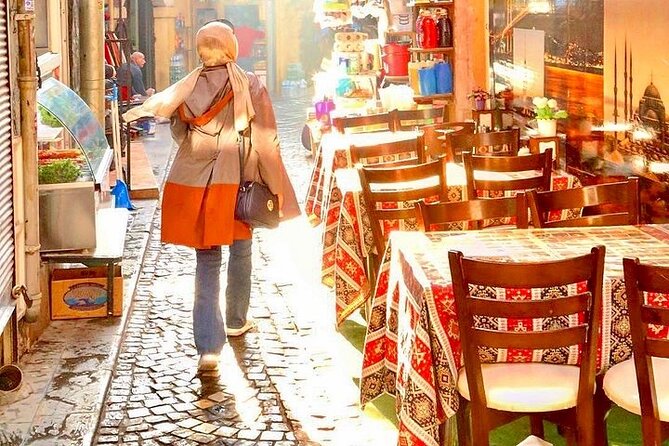
After the large monument, the walk turns toward Sogukcesme Sokak, a short lane lined with historic houses leaning against the wall of Topkapi Palace. It is exactly the kind of place that can be missed when you rush from one famous sight to another.
The street gives you a feel for the older residential side of Sultanahmet. It is not a grand imperial complex, and that is the point. You get a closer look at the scale and character of the neighborhood that surrounds the major monuments.
Caferaga Medresesi offers another change of mood. This former religious school now serves as a center for Turkish classical arts, including calligraphy, ceramics, and jewelry. You may see traditional crafts being taught, made, or sold.
I like these two stops because they make the walk feel less like a monument parade. The time is brief, but a good guide can explain how religious education, craft, and daily life fitted into Ottoman Istanbul.
Hagia Sophia and Topkapi Palace from the outside
Hagia Sophia is one of the great architectural landmarks of Istanbul. Begun as a church in 532 under Justinian, it later became a mosque after the Ottoman conquest of Constantinople in 1453. Its enormous dome and surviving mosaics reflect the building’s long and complicated life.
On this tour, the stop is generally an explanation and viewing point rather than a full interior visit. That distinction matters. The building’s interior deserves time, and you should schedule a separate visit if you want to study the dome, mosaics, and details at a slower pace. Access rules and visiting arrangements can change, so check current information before you go.
Topkapi Palace follows naturally. For almost four centuries, it served as the imperial residence and court of Ottoman sultans. The palace is tied to stories of rulers, courtiers, concubines, eunuchs, and political maneuvering, making it an ideal place for a guide to add human detail to political history.
The walk may include the first courtyard, depending on the guide and timing, but do not plan on a complete palace visit during this short program. Topkapi’s collections and courtyards need several hours if you want to see them properly.
A completely different kind of day out:
- Best of Istanbul 1, 2 or 3-Day Private Guided Istanbul Tour
★ 5.0 · 8,922 reviews - Istanbul: Basilica Cistern Fast-Track Entry and Audio Guide
★ 4.6 · 7,521 reviews - Istanbul: Hagia Sophia Skip-the-Line Ticket & Museum Option
★ 3.7 · 4,958 reviews - Istanbul: Hodjapasha Whirling Dervishes Show & Exhibition
★ 4.4 · 4,790 reviews
Sultanahmet, the Hippodrome, and the Blue Mosque
Sultanahmet District is the center of Istanbul’s Old City. This is where Byzantine and Ottoman rulers directed their empires, and the tour uses the area to explain how the city’s power center changed over time.
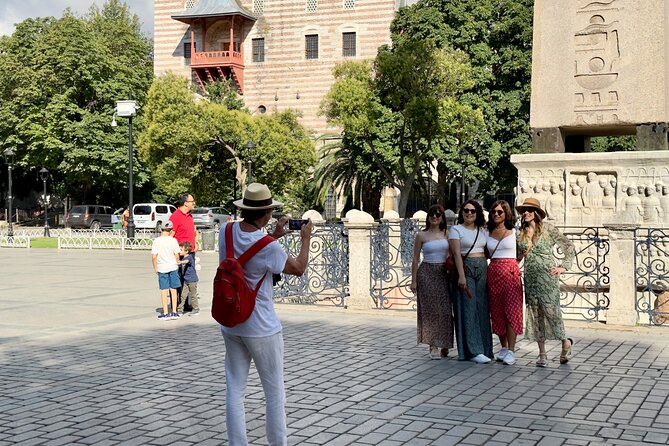
The nearby Hippodrome was once Constantinople’s sporting and social center. Today it is a square with fragments and monuments from the ancient chariot-racing track. The Walled Obelisk, German Fountain, Egyptian Obelisk, and Serpent Column each tell a different part of the story.
The Walled Obelisk is a Roman monument at the southern end of the ancient track. The German Fountain was presented by German Emperor Wilhelm II in 1898. The Egyptian Obelisk is much older, and the Serpent Column was moved from Delphi to Constantinople by Constantine the Great in 324.
These objects are easy to overlook without context. A guide can point out that the Hippodrome was not simply an open square. It was a place for sport, public ceremony, political display, and crowd unrest.
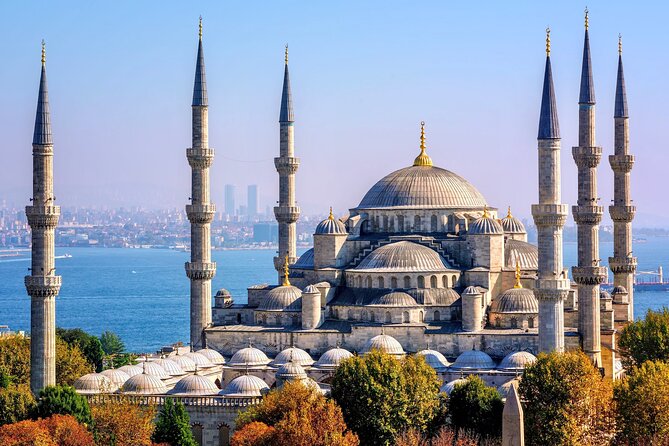
The Blue Mosque is usually the most anticipated stop. Also known as Sultan Ahmed Mosque, it is famous for the blue tiles that decorate its interior. It sits beside the Hippodrome, creating one of Istanbul’s most powerful urban views.
Some departures enter the mosque, but timing is important. Prayer periods can limit access, and one departure missed the visit after a late arrival and a change in the schedule. Dress and entry rules can also affect the visit. Treat the interior as a possible part of the walk, not the sole reason to book it, and allow separate time if seeing the mosque inside is essential.
Sultanahmet Square is the photo break
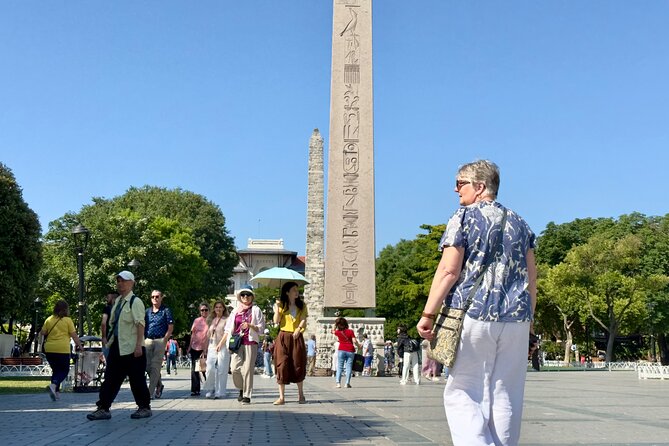
Sultanahmet Square gives you the classic view of Hagia Sophia and the Blue Mosque facing one another. It is a useful place to pause, take photographs, and get your bearings before the walk heads downhill toward the markets.
This is also where the guide’s practical help can make a difference. Öz, known as Ozzie, has used an iPad to show how Istanbul looked in earlier periods and has pointed out good photo positions. Other guides have explained where to buy transport tickets and how to plan visits to the city’s major sights.
The tour is most useful when you ask questions. If you want restaurant ideas, advice about the tram, or help deciding which palace or museum to visit later, speak up. Guides such as Erol and Gamze have been praised for making time for discussion rather than delivering a fixed speech and moving on.
Tahtakale leads into the Spice Market
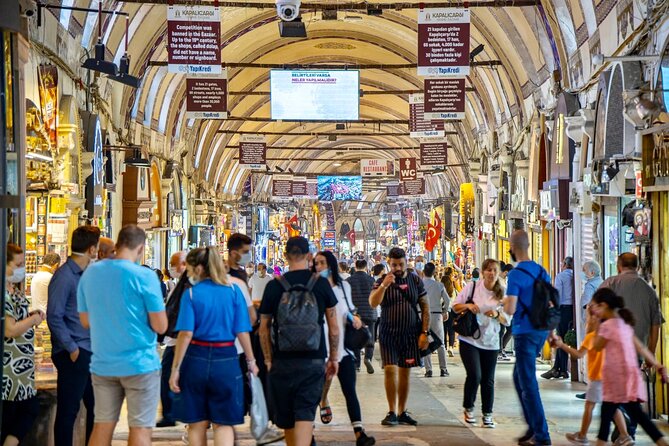
The final portion heads into Tahtakale, a shopping district in Eminönü where you can find a wide range of everyday goods at reasonable prices. It is less polished than a formal museum and more useful for seeing how shopping works in central Istanbul.
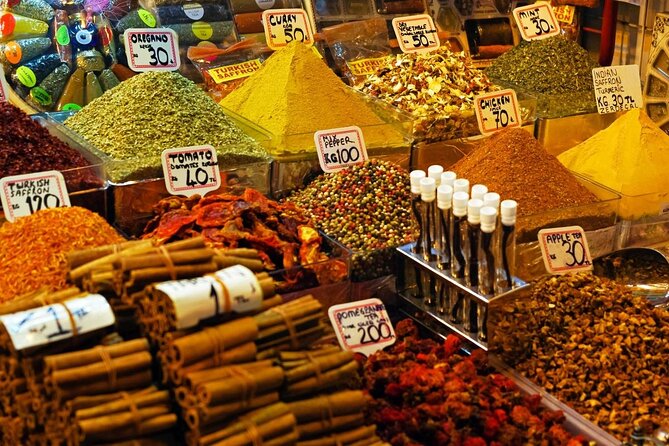
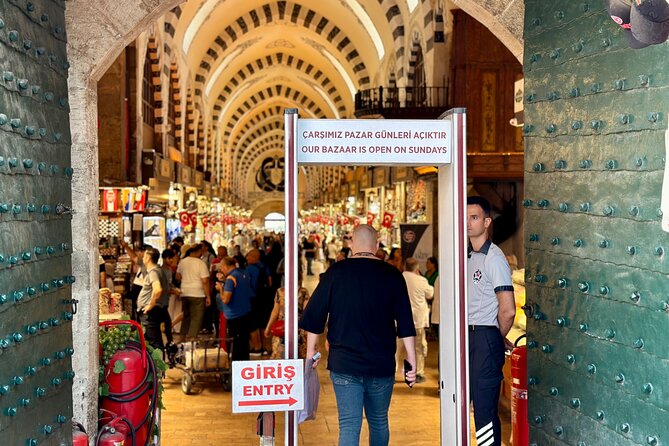
From there, you reach Misir Carsisi, better known as the Egyptian Bazaar or Spice Market. The bazaar dates to 1660 and is filled with colorful displays of spices, Turkish delight, dried fruit, nuts, honey, herbs, and other goods. Some stalls also sell caviar and related specialty products.
This is a strong ending because it leaves you in an active part of the city rather than returning you to the starting point. You can continue exploring Eminönü, look for lunch, or make your way elsewhere by public transport.
Your guide may also explain how to handle shopping and bargaining. Öz has given practical tips about negotiating in the bazaars, which can be more useful than a lecture on Ottoman architecture at this stage of the walk.
One caution is worth noting. A shopping stop connected with pottery left one participant feeling pressured by high prices and sales tactics. The craft itself was interesting, including its connection to tile work associated with the Blue Mosque, but you should feel free to decline a purchase. A shopping visit should be optional, and you should not confuse a guide’s recommendation with an obligation to buy.
What the guides add to the experience
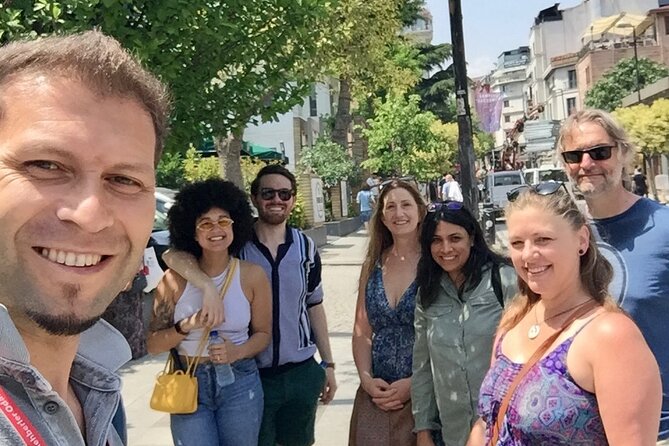
The strongest part of this tour is the guiding. Erol has been praised for his enthusiasm, patience, and ability to explain Istanbul’s culture and past at length. Hüseyin has been described as particularly good at presenting the city’s layered story at an easy pace, including the quieter backstreets.
Gamze brings warmth and flexibility. She has tailored the walk to group interests, helped organize a group of 10 in crowded streets, and offered restaurant suggestions for later. Abdullah has focused closely on comfort, choosing shade for explanations and allowing bathroom breaks. He even escorted two participants onto the tram afterward, which is beyond the basic tour duty but useful if you are still finding your way around.
Alp has impressed people with strong English and obvious enthusiasm for the subject. Tolga has been praised for adapting the conversation and helping people find their way back after the walk. These details tell you what to hope for, but the exact guide will depend on the departure.
There have also been weaker experiences. One guide was too quiet for a participant to hear clearly, and another departure appeared confused about whether the group should walk, queue for tickets, or take the tram. The operator acknowledged those problems, but they remain practical reasons to confirm what the tour includes at the start.
Price, group size, and walking effort
At $72.59 per person, the tour is not a bargain if you expect admission to several major monuments. It becomes better value if you want a compact introduction, a well-organized route, historical explanation, and practical help for the rest of your stay.
The program is about three hours, although one participant found it closer to three and a half. Since you are moving through crowded historic streets, wear comfortable shoes and expect to remain on foot. The tour does not include hotel pickup or drop-off, and you must make your own way to the cafe at the start.
The end point at the Egyptian Bazaar is convenient for continuing your day, but it is not the same location as the start. That is helpful for sightseeing, yet you should plan your route afterward instead of assuming the guide will return you to your hotel.
The maximum group size is 15. Most people can take part, but the tour involves a moderate amount of walking and may feel tiring in hot weather. Good weather is required, and a cancellation caused by poor conditions results in another date or a full refund.
Free cancellation is available up to 24 hours before the start time. Changes or cancellations inside that period are not accepted or refunded, so keep that cutoff in mind when arranging a busy Istanbul schedule.
Who should book this Istanbul walk?
I would choose this tour for a first morning or afternoon in Istanbul, especially if you have only a short stay. It gives you a mental map of Sultanahmet, points out the main places worth revisiting, and ends near the Spice Market.
It also suits families and curious first-time visitors who want stories rather than only photographs. Hüseyin has kept children aged 10 and 12 engaged, while guides such as Gamze and Erol have been praised for making complex history easy to follow.
You may prefer a different option if you want long interior visits, museum entry, or a relaxed pace at each monument. This is not a substitute for visiting Hagia Sophia, Topkapi Palace, the Basilica Cistern, and the Blue Mosque on your own afterward.
Should you book the Secret Streets Tour?
Book it if you want a lively orientation to Istanbul’s Old City, a manageable small group, and a guide who can connect monuments with local streets and markets. The strongest departures offer much more than a list of dates and names, especially with guides such as Erol, Gamze, Hüseyin, Tolga, Abdullah, Alp, or Öz.
Before paying, confirm which buildings you will enter and which you will view from outside. If you are comfortable with a fast walking route and separate admission costs, the tour offers a useful start for $72.59. If your priority is a full visit inside every major attraction, spend that money on entry tickets and arrange a longer, more focused tour instead.
FAQ
How long is the Istanbul Small-Group City and Secret Streets Tour?
The tour lasts approximately three hours, although one departure took about three and a half hours.
How many people can join the tour?
The maximum group size is 15 people. Some departures may be much smaller, including groups of only two people.
Does the tour include admission to the Basilica Cistern and other attractions?
The tour information lists the stops as free, but admission to the attractions is generally not included. The Basilica Cistern may require an additional ticket, and most sites are viewed from outside.
Does the tour enter the Blue Mosque?
The Blue Mosque may be entered when timing and prayer schedules allow. One participant reported missing the interior visit because of a late arrival and prayer times, so confirm the plan with your guide.
Where does the tour start and finish?
The tour starts at Foodie-ist Cafe and Brasserie on Muhterem Efendi Sokak in Fatih. It ends at the Egyptian Bazaar, also called the Spice Market, in Eminönü.
Can I cancel for a full refund?
Yes. You can cancel at least 24 hours before the start time for a full refund. Cancellations or changes made less than 24 hours before the start time are not refunded or accepted.
Just added in Istanbul
- Private Tour: Istanbul’s Ottoman Experience Including Topkapi Palace and Blue Mosque★ 4.5 · 16 reviews
- IstanbulBasilicaCistern/fastEntranceEnglish/Spanish (not tickets)★ 4.0 · 184 reviews
- Private istanbul tour with transportation★ 5.0 · 36 reviews
- Private Customizable Istanbul Day Tour with Licensed Guide★ 5.0 · 64 reviews
- Private Old City Guided Tour★ 5.0 · 129 reviews
- Private Princes’ Islands Tour★ 5.0 · 56 reviews
- Private Bosphorus Cruise and Egyptian Bazaar with Motor Yacht★ 4.0 · 24 reviews
- Istanbul Private Tour Designed for Layover Flight, Transfer incl.★ 5.0 · 164 reviews
Guided, compared.
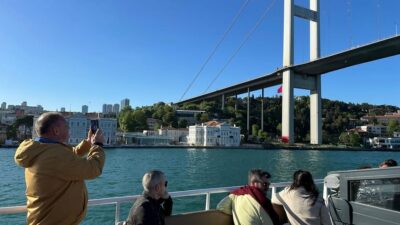
Daytime or Sunset Sightseeing Cruise & Audio Guide
Read our review →
Best of Istanbul 1, 2 or 3-Day Private Guided Istanbul Tour
Read our review →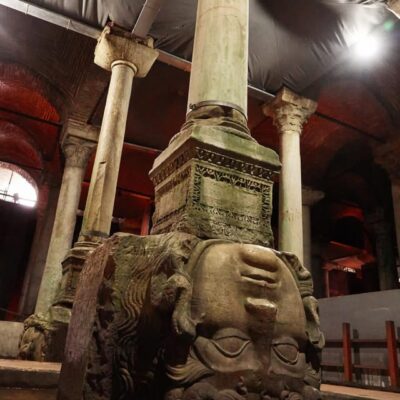
Basilica Cistern Fast-Track Entry and Audio Guide
Read our review →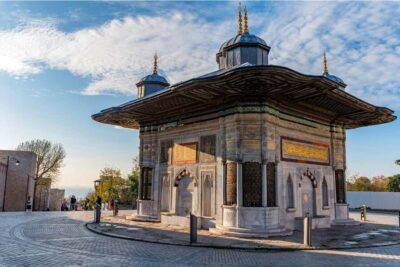
Topkapi Palace & Harem Museum Ticket & Audio Guide
Read our review →
Blue Mosque & Hagia Sophia Guided Tour w/ Tickets
Read our review →
Bosphorus Sunset Cruise on Yacht with Live Guide
Read our review →
Bosphorus Sightseeing Cruise Tour with Audio Guide
Read our review →