Reviewed · ISTANBUL TOURS
Tour to Byzantium
Istanbul’s old story begins before the Ottomans. This four-hour Tour to Byzantium takes you west of the usual Sultanahmet sights, following the Golden Horn, Byzantine walls, churches, prisons, and palace remains that explain how Constantinople ruled for more than 1,000 years. I especially like the focus on places many first-time visitors miss, including the Church of Panagia of Blachernae and Anemas Dungeons.
I also like the historical range: you move from Orthodox Christianity to imperial prisons and military walls in a single outing. Guide Umut earned special praise for his command of Constantinople’s story, and one guide even added an extra stop. The main drawback is logistics: hotel pickup can take 45 to 60 minutes, exact timing must be confirmed by phone, and the tour needs at least six people to operate, except for the guaranteed Tuesday afternoon departure.
In This Review
- Key points to know before booking
- Why Byzantine Istanbul deserves an afternoon
- The Golden Horn and Fener begin the story
- Panagia of Blachernae and the power of pilgrimage
- Chora and the limits of the museum visit
- Anemas Dungeons reveal the empire’s darker side
- Tekfur Palace and the last imperial traces
- Walking the Byzantine city walls
- What the $85 price really covers
- Timing, group size, and guide quality
- Who will enjoy this Byzantine route most
- Should you book the Tour to Byzantium?
- FAQ
- How long does the Tour to Byzantium last?
- What is the price?
- What is included in the price?
- Is hotel drop-off included?
- Which languages are available?
- Is the interior of the Kariye Museum visited?
- Is the tour guaranteed to operate every day?
- What should I bring?
Key points to know before booking
- The Golden Horn sets the scene: You begin at the natural harbor that helped Byzantium and Constantinople control sea traffic and defend the city.
- The route reaches beyond central Istanbul: Fener, Blachernae, Chora, Tekfur Palace, Anemas Dungeons, and the land walls show a less familiar side of the city.
- Chora is an exterior visit: You see the former St. Savior in Chora, now the Kariye Museum, from outside only, so mosaics and frescoes are not viewed indoors on this tour.
- The guide makes a major difference: Strong historical storytelling is central to the experience, with English and Spanish tours available.
- This is a short, focused outing: The sightseeing portion is described as three hours, while the booked activity lasts four hours, with pickup adding time depending on your hotel.
- The price buys transport and admission: At $85 per person, air-conditioned transportation, museum entrance fees, and central hotel pickup are included, but there is no hotel drop-off.
Why Byzantine Istanbul deserves an afternoon
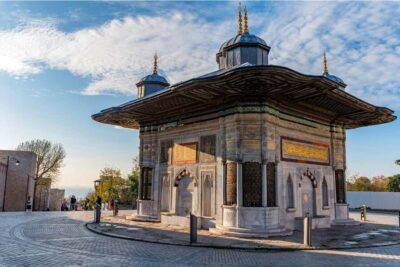
Most first visits to Istanbul concentrate on the Blue Mosque, Hagia Sophia, Topkapi Palace, and the Grand Bazaar. Those sights matter, but they can leave you with the impression that the city’s story begins with the Ottoman conquest in 1453.
This tour corrects that shortcut. Byzantine Constantinople was the capital of the Eastern Roman Empire from the 4th through the 15th century. Its churches, walls, palaces, and harbor shaped the city long before Ottoman Istanbul took form.
I like this experience for its sense of place. You are not simply looking at isolated ruins. You are following the edge of the Golden Horn, entering the old western districts, and tracing the defenses that once enclosed the imperial capital.
The route also gives you a useful contrast. At Panagia of Blachernae, the emphasis is faith and pilgrimage. At Anemas Dungeons, the mood turns political and grim. At Tekfur Palace and the city walls, you see how rulers lived and how the city protected itself.
A few more options to weigh up in Istanbul
- Istanbul: Bosphorus Dinner Cruise & Show with Private Table
★ 4.8 · 44,561 reviews - Istanbul: Daytime or Sunset Sightseeing Cruise & Audio Guide
★ 4.8 · 14,430 reviews - Istanbul: Bosphorus Dinner Cruise with Turkish Night Show
★ 4.8 · 10,127 reviews
The Golden Horn and Fener begin the story
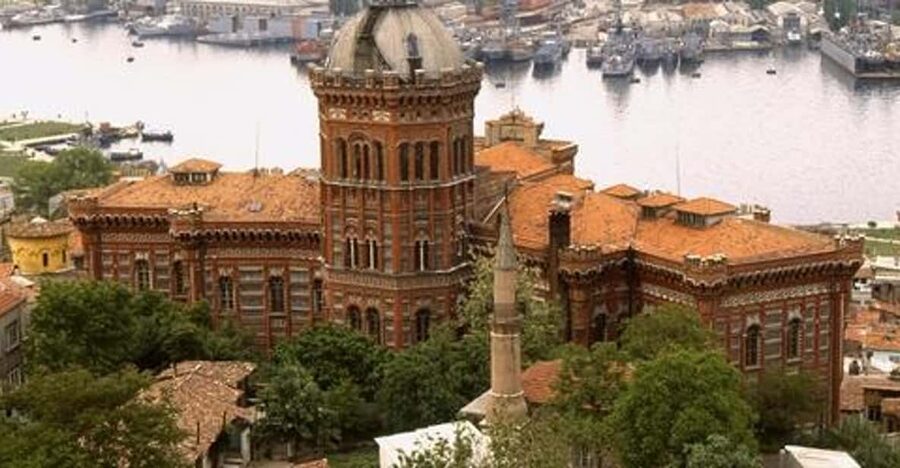
The tour starts at the Golden Horn, the natural harbor that curves into Istanbul like a horn. Its name refers to the hornlike shape and the golden reflection seen from the hills in sunshine.
This was more than a pretty view. A sheltered harbor gave the Byzantine capital an important naval advantage and connected the city to trade and defense. I find this opening useful because it gives you a geographic reason for Constantinople’s power before you begin looking at individual buildings.
You then continue to Fener and the Patriarchate. This is the seat of Orthodox Christianity, tied to the period after Constantine the Great declared Christianity the official religion of the Roman Empire.
The visit provides religious context for the rest of the route. Byzantine history is not only a tale of emperors and armies. It is also the story of a Christian capital whose religious institutions shaped politics, art, and daily life.
The pickup arrangement matters here. A free shuttle is offered from centrally located Istanbul hotels between 13:00 and 14:00, depending on location. The ride can take 45 to 60 minutes, so you should not plan another tightly scheduled activity immediately afterward.
Panagia of Blachernae and the power of pilgrimage
The Church of Panagia of Blachernae is one of the tour’s most meaningful stops. It was among the best-known shrines to the Holy Virgin in Constantinople and was famous for its Hagiasma, or holy water, and Hagion Lousma, a sacred bath.
You should not expect a grand museum visit here. The value lies in understanding why the site mattered. Religious shrines could draw enormous devotion, and this one was associated with healing and the protection of the Virgin Mary.
I appreciate that the tour includes a place connected to ordinary religious practice rather than only imperial display. The sacred water and bath point to a physical, lived form of faith. They also help explain why particular churches became important pilgrimage centers.
The stop will appeal most to anyone interested in Christian history, Byzantine worship, or the relationship between religion and government. If your priorities are only panoramic views and major monuments, this part may feel quieter and less immediately dramatic.
Chora and the limits of the museum visit
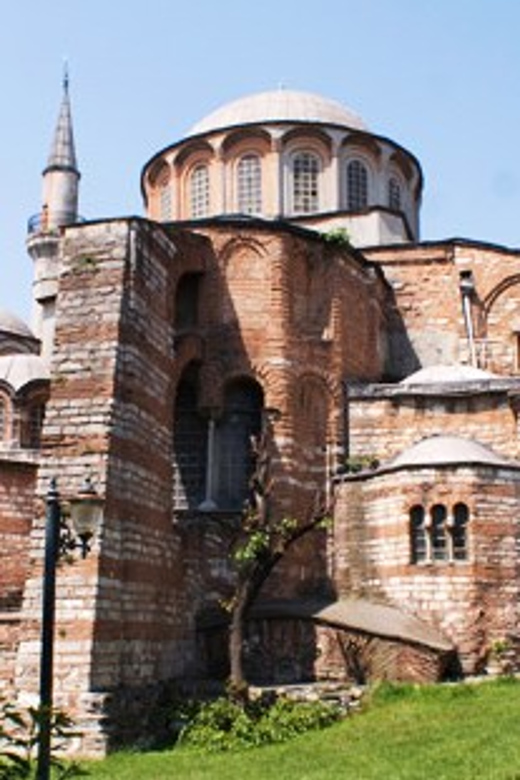
St. Savior in Chora, now the Kariye Museum, is one of the best-known Byzantine art sites in Istanbul. The former monastery is celebrated for mosaics and frescoes showing scenes from the Bible.
The important catch is that this tour visits from outside only. You will not enter the interior, and you will not see the mosaics and frescoes during this outing.
That limitation should shape your decision. An exterior visit still places the building within the old Byzantine district and lets your guide explain its role. But if the art is your main reason for coming, you will need a separate visit or another tour that includes interior access.
I would treat Chora here as part of the larger historical route, not as a complete museum experience. The stop works best when you want to understand how monastic and artistic centers fitted into the city. It is less satisfying if you expect a close look at Byzantine painting.
The advertised skip-the-ticket-line benefit may also help at included museum entries, but the supplied details do not specify how it applies to each stop. Keep your passport or ID card with you, since it is listed among the required items.
A completely different kind of day out:
- Best of Istanbul 1, 2 or 3-Day Private Guided Istanbul Tour
★ 5.0 · 8,922 reviews - Istanbul: Basilica Cistern Fast-Track Entry and Audio Guide
★ 4.6 · 7,521 reviews - Istanbul: Hagia Sophia Skip-the-Line Ticket & Museum Option
★ 3.7 · 4,958 reviews - Istanbul: Hodjapasha Whirling Dervishes Show & Exhibition
★ 4.4 · 4,790 reviews
Anemas Dungeons reveal the empire’s darker side
The Anemas Dungeons were part of the Blachernae Palace complex. Their unusual design made them suitable for confinement, and they were used to hold high-ranking statesmen.
The complex consisted of 14 separate dungeons, each with two basement levels below sea level. That detail changes the way you picture the site. This was not simply a single cell or a generic ruin. It was a purpose-built prison tied to imperial authority.
I find this one of the most memorable stops because it adds tension to the story. Byzantine Constantinople was a center of theology, ceremony, and art, but it was also an empire with power struggles. High-ranking prisoners remind you that court politics could lead to imprisonment, not just exile or disgrace.
The architecture is the draw, but the atmosphere may be stark. You should be prepared for a site whose interest comes from structure and historical use rather than polished displays. A guide who can explain who was imprisoned and why will make a real difference, which is why Umut’s strong reputation for explaining the empire matters.
Tekfur Palace and the last imperial traces
Tekfur Palace was built in the 12th century beside the city walls. It is described as the only surviving pavilion of the Blachernae Palace.
That makes the stop valuable even if only fragments remain. Palaces usually disappear more completely than walls because they are altered, dismantled, or absorbed into later buildings. A surviving pavilion gives you a rare physical link to the imperial complex that once occupied this part of Constantinople.
I like the way the itinerary places Tekfur Palace after the dungeons. You first see the system of power at its harshest, then the remaining piece of the palace world that stood above it.
Do not expect the scale of Topkapi Palace. This is a surviving pavilion, not a vast royal compound. Its importance is historical and architectural. The setting beside the walls also helps you understand how the Blachernae district joined palace life to military defense.
Walking the Byzantine city walls
The final major focus is the Byzantine city wall system. The remains date to the 5th century and once surrounded the acropolis of Byzantium.
The full defensive line stretched about 13 miles, or 22 kilometers, with 96 towers and nine main gates. You will not walk all 22 kilometers on a four-hour tour, of course. Instead, you see surviving portions and learn how the wall protected the capital.
This is where the whole route comes together. The Golden Horn offered water protection, while the land walls guarded the vulnerable western approach. Churches, palaces, prisons, and walls were not separate stories. They formed one imperial city.
I like walking through these old districts because the setting does some of the teaching. You are moving through streets where layers of Istanbul overlap, rather than standing in one isolated archaeological enclosure.
The condition of surviving walls can vary, and the tour description does not promise a long wall walk or specify the exact sections visited. Wear comfortable shoes and expect an outing that combines vehicle transfers with walking on historic streets.
What the $85 price really covers
At $85 per person, this tour is not the cheapest way to see Istanbul. Its value depends on how much you want the western Byzantine districts explained and how difficult you would find it to organize several outlying stops on your own.
The fee includes air-conditioned transportation, museum entrance fees, and pickup from centrally located hotels. That matters because the route covers several parts of the city, and arranging separate rides could take time and effort.
The price is easier to justify if you want an English or Spanish guide to connect the sites. A guide who can explain the Byzantine Empire, Orthodox Christianity, palace politics, and military design turns scattered ruins into a coherent afternoon.
The value is weaker if you mainly want to enter Chora and study its art. This visit is exterior only, so you would still need to pay for and arrange a separate interior visit if access is available during your stay.
There is also no hotel drop-off. You should plan your evening from the final sightseeing location rather than assuming you will be returned to your hotel. The exact meeting point may also change if your hotel is outside the central pickup area.
Timing, group size, and guide quality
The activity is listed as four hours, while the sightseeing description calls the tour three hours. The difference likely reflects transfers and pickup, but you should confirm the schedule when you call the local supplier.
The shuttle pickup window is 13:00 to 14:00. Since the ride may take 45 to 60 minutes, this is an afternoon commitment, not a quick add-on between lunch and dinner.
A minimum of six people is required for operation. Tuesday afternoon departure is guaranteed, which is the safest choice if you need certainty. On other days, availability depends on reaching the minimum group size.
Tours are offered in English and Spanish. Because several stops are valued mainly for context, language choice is important. I would pick the language in which you can easily follow names, dates, religious terms, and political explanations.
The strongest praise connected to the tour centers on the guides. Umut is singled out for his command of Constantinople and the Byzantine Empire, and a guide once added an extra site to the planned route. That suggests the experience can become more than a fixed checklist when the guide has room and interest to expand it.
Still, guide quality can vary. The tour operator is Gray Line Turkey, and the stated languages are English and Spanish, but no individual guide is guaranteed. Book this for the subject and route first, then view a strong guide as an important bonus.
Who will enjoy this Byzantine route most
I would recommend the tour to you if you have already seen Istanbul’s headline monuments and want to understand the city before 1453. It is also a good match if you care about Orthodox Christianity, Roman and Byzantine politics, historic fortifications, or lesser-seen districts.
It suits visitors who prefer explanation over shopping and who are happy to look at partial remains. The itinerary is especially useful for putting the Golden Horn, Blachernae, palace district, and land walls into one mental map.
You may want to skip it if your Istanbul schedule is very short and this would replace Hagia Sophia, Topkapi Palace, or another first-priority sight. I would also hesitate if entering Chora is essential, since this tour does not include the interior.
Bring a passport or ID card. Pets and smoking are not allowed, and comfortable footwear is sensible for the streets and wall areas.
Should you book the Tour to Byzantium?
Book it if you want a focused, guide-led look at Istanbul’s Byzantine side and value transport between several scattered sites. The combination of the Golden Horn, Fener, Panagia of Blachernae, Chora exterior, Anemas Dungeons, Tekfur Palace, and city walls offers a useful view of the city beyond the standard central circuit.
I would book Tuesday afternoon if your plans require a guaranteed departure. Before paying, call the local supplier to confirm the exact start time, pickup availability, and meeting point, especially if your hotel is not centrally located.
At $85, the tour earns its price through transport, admissions, and historical interpretation rather than through a long list of grand interiors. If that sounds right for you, it is a worthwhile way to spend an afternoon. If you want Byzantine mosaics above all else, choose an option that includes interior access to Chora.
FAQ
How long does the Tour to Byzantium last?
The activity duration is listed as four hours. The sightseeing description refers to three hours, so confirm how transfers and hotel pickup fit into the schedule.
What is the price?
The price is $85 per person.
What is included in the price?
Air-conditioned transportation, museum entrance fees, and pickup from centrally located hotels in Istanbul are included.
Is hotel drop-off included?
No. Hotel drop-off is not included.
Which languages are available?
The tour is offered with a live guide in English or Spanish.
Is the interior of the Kariye Museum visited?
No. St. Savior in Chora, now the Kariye Museum, is visited from outside only. Interior mosaics and frescoes are not included.
Is the tour guaranteed to operate every day?
A minimum of six people is required for the tour to operate. Departure is guaranteed on Tuesday afternoons.
What should I bring?
Bring your passport or ID card. Pets and smoking are not allowed.
Just added in Istanbul
- Private Tour: Istanbul’s Ottoman Experience Including Topkapi Palace and Blue Mosque★ 4.5 · 16 reviews
- Private istanbul tour with transportation★ 5.0 · 36 reviews
- Private Customizable Istanbul Day Tour with Licensed Guide★ 5.0 · 64 reviews
- IstanbulBasilicaCistern/fastEntranceEnglish/Spanish (not tickets)★ 4.0 · 184 reviews
- Private Old City Guided Tour★ 5.0 · 129 reviews
- Private Princes’ Islands Tour★ 5.0 · 56 reviews
- Private Bosphorus Cruise and Egyptian Bazaar with Motor Yacht★ 4.0 · 24 reviews
- Istanbul Private Tour Designed for Layover Flight, Transfer incl.★ 5.0 · 164 reviews
Istanbul Tours, compared.
Bosphorus Dinner Cruise & Show with Private Table
Read our review →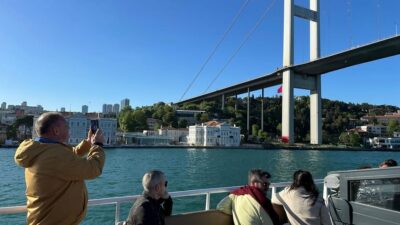
Daytime or Sunset Sightseeing Cruise & Audio Guide
Read our review →
Bosphorus Dinner Cruise with Turkish Night Show
Read our review →
Best of Istanbul 1, 2 or 3-Day Private Guided Istanbul Tour
Read our review →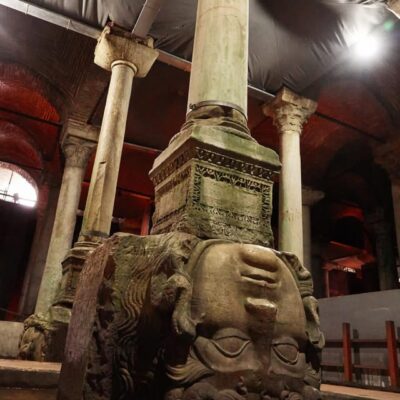
Basilica Cistern Fast-Track Entry and Audio Guide
Read our review →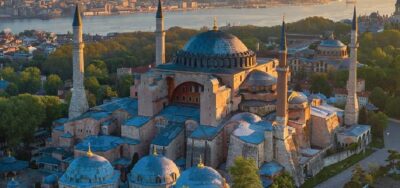
Hagia Sophia Skip-the-Line Ticket & Museum Option
Read our review →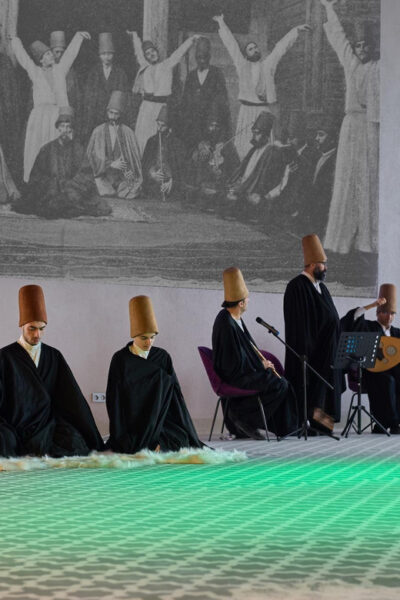
Hodjapasha Whirling Dervishes Show & Exhibition
Read our review →