
Reviewed · MOSQUES AND RELIGIOUS SITES
Göreme: The Original Dervish Ritual in Konya or Cappadocia
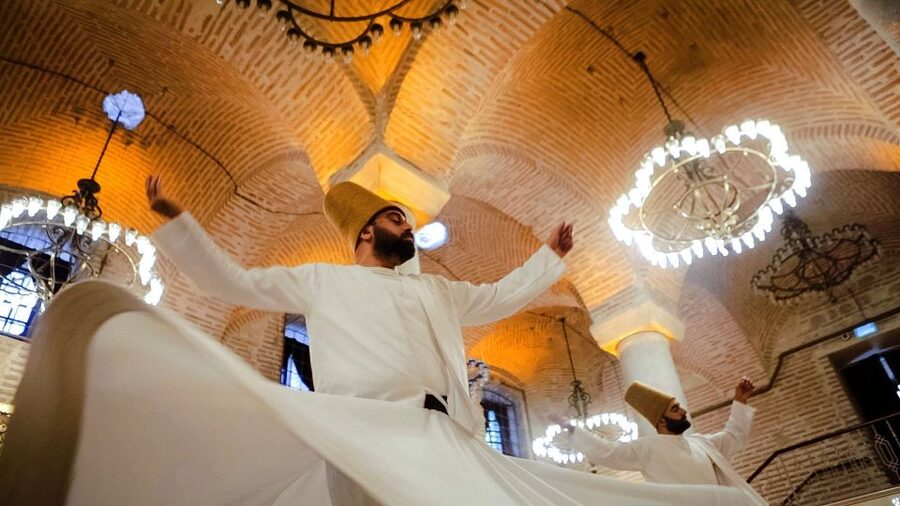
Some performances feel more meaningful in old stone. This experience takes you to a working dervish setting at Saruhan Kervansaray, a 12th-century caravanserai near Cappadocia, or to the Mevlana Art Center in Konya. I like the authentic religious setting and the included hotel pickup, which removes a fair amount of transport trouble. I also like that you can choose between the regular Cappadocia ceremony and Konya’s major Şeb-i Arus commemoration.
The main thing to consider is that this is not a quick folk dance for casual entertainment. The ceremony is quiet, formal, and rooted in Sufi practice. A guide may provide only limited explanation, and one past experience had an English-speaking problem. You should also expect strict rules about cameras, phones, video, and audio recording during the ceremony.
In This Review
- Key points before you book
- Why this ceremony is different from a restaurant performance
- Saruhan Kervansaray, an atmospheric Cappadocia setting
- The Konya option and the December Şeb-i Arus program
- What happens from pickup to return
- Understanding the ceremony without expecting a lecture
- The $50 price and what it buys you
- Important rules and comfort concerns
- Who will appreciate Saruhan, and who should choose Konya?
- Should you book this dervish ceremony?
- FAQ
- Where does the dervish ceremony take place?
- Is hotel pickup included?
- How long does the activity last?
- Can I take photos or record video during the ceremony?
- Is food included?
- Can I cancel the booking?
Key points before you book
- Saruhan Kervansaray gives the ceremony a powerful setting: The old stone caravanserai adds atmosphere that a restaurant or modern hall cannot match.
- You can choose Cappadocia or Konya: Cappadocia offers the shorter local option, while Konya gives you the major Mevlana connection and, in December, the Şeb-i Arus program.
- The music comes before the whirling: Reed music and drums accompany prayers before the dervishes begin the turning part of the ritual.
- Photography is tightly controlled: Cameras, professional cameras, video, photography inside, and audio recording are not allowed during the main ceremony.
- Hotel transport is included: Pickup and return are available from Göreme, Uçhisar, Ortahisar, Çavuşin, and Konya.
- The $50 price is mainly about convenience and access: You are paying for transport, admission, and an organized visit, not a meal or a full cultural lecture.
Why this ceremony is different from a restaurant performance
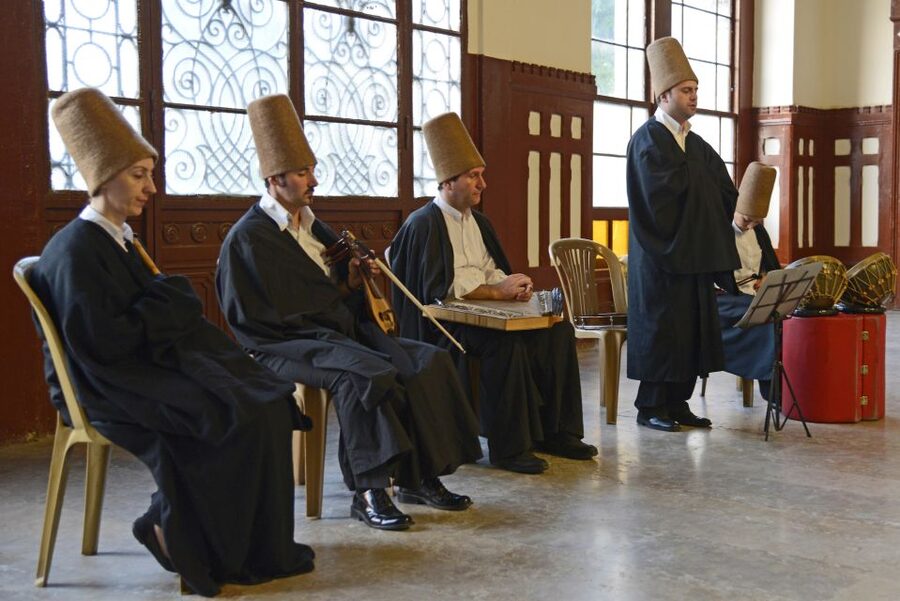
The Mevlevi dervish ceremony, often called the sema, is a spiritual ritual connected with Mevlana Celaleddin Rumi. The turning is the part most people recognize, but it is only one section of the ceremony. The prayers, reed music, drum, and measured movements matter just as much.
That distinction is important. In Cappadocia, you may encounter whirling dervishes presented as a stage attraction during a dinner or evening entertainment program. This experience places the ceremony in a dervish lodge setting at Saruhan Kervansaray, or brings you to the Mevlana Art Center in Konya. The old building and formal structure give the event a more serious tone.
I like the way the ceremony asks you to slow down. There is no need to chase a photo or keep up with a guide while the ritual is happening. You sit, watch, and listen. The reed instrument and drum establish the mood while the dervishes pray, then the turning begins in a controlled and graceful sequence.
You should not expect a narrated performance with constant commentary. That can frustrate you if you want every symbol explained. It can also be a strength, since the ceremony is allowed to keep its quiet character.
More Mosques and Religious Sites in Cappadocia
- Cappadocia Dervish Ritual with live music (With 2 options)
★ 4.4 · 43 reviews - Whirling Dervish Show
★ 4.8 · 21 reviews - Whirling Dervish show in Cappadocia
★ 5.0 · 15 reviews
Saruhan Kervansaray, an atmospheric Cappadocia setting
For most people staying in Cappadocia, the Saruhan option is the easiest and most atmospheric choice. Saruhan Kervansaray is a 12th-century caravanserai, a roadside stopping place once used by people moving through Central Anatolia. Its stone structure gives the ceremony a strong sense of place.
The visit includes a guided stop of about 1.5 hours. The program is not simply a drive to a hall, watch a dance, and leave. You have time at the caravanserai, then attend the ceremony in the old building. The setting matters here. Watching the ritual surrounded by historic stone creates the surreal feeling that one past participant described.
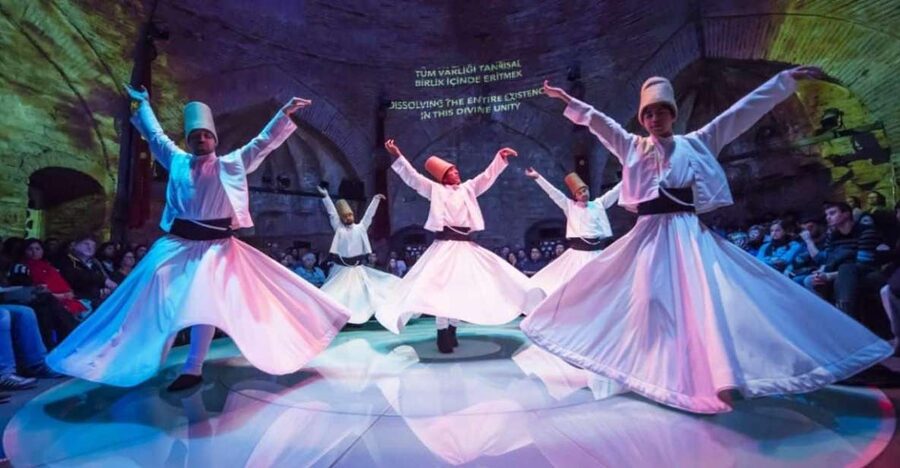
The sequence begins with reed music and a drum while the dervishes pray. The whirling follows, and the movements are more restrained than a theatrical dance. The repeated turning can look simple at first, but the calm pace and concentration are the point.
At the end, the rules change slightly. A final dance allows photography and video, and you may have a chance to take pictures after the main ritual is finished. A small booklet may also be provided, giving you basic help with what you are watching. Sherbet and a visit to the small shop are also part of the closing experience.
Bring your camera if you want a souvenir, but keep it packed away until you are clearly told that filming or photography is allowed. The rule is strict during the ceremony.
The Konya option and the December Şeb-i Arus program
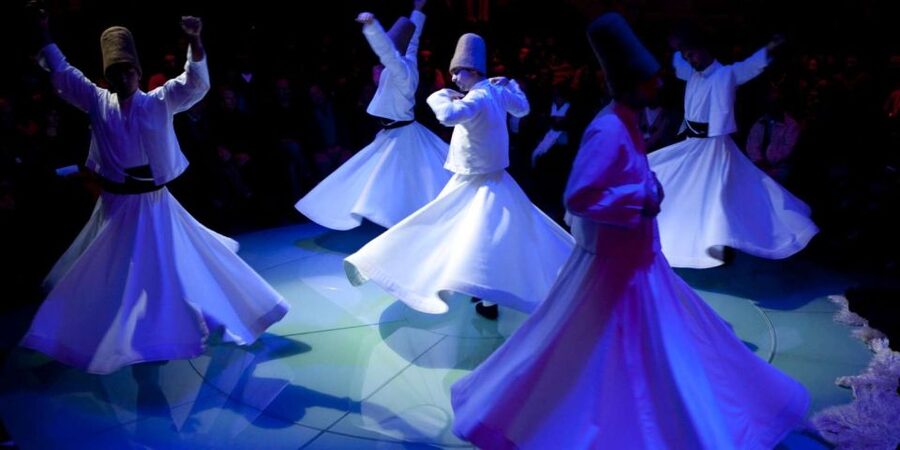
Konya is the spiritual center most closely linked with Mevlana Celaleddin Rumi. The Mevlana Art Center presents ceremonies prepared by real dervishes from the Konya Mevlana Association. This is the more ambitious choice, especially if your interest is focused on Rumi and Mevlevi tradition rather than on a general evening activity in Cappadocia.
The Konya choice becomes especially significant in December. The Şeb-i Arus, also called the Vuslat or Reunion Anniversary Commemoration, marks the anniversary of Mevlana’s death. The 751st commemoration ceremonies were scheduled for December 7 through 17, 2024.
This special program is not the same as choosing a regular Cappadocia ceremony. It is a major annual event, so the timing and transport require more planning. From Cappadocia, pickup is scheduled at least four hours before the ceremony. From Konya, pickup is about 1.5 hours before it begins.
That travel time is the main drawback. A Cappadocia to Konya outing can take much of your day, and the experience lasts longer than the local Saruhan visit. If you are already staying in Konya, the timing is much easier. If you are based in Cappadocia, choose Konya because you specifically want the Mevlana connection and the December commemoration, not because it is the simplest option.
After the ceremony, transport returns you to your hotel in Konya or Cappadocia. The exact total duration is listed as two to six hours, with starting times depending on availability. The wide range reflects the different pickup locations and the choice between the local Cappadocia visit and the Konya program.
What happens from pickup to return
Pickup is available from hotels in Göreme, Uçhisar, Ortahisar, and Çavuşin, as well as from Konya. You should wait in the lobby five minutes before the scheduled time. That small habit matters, particularly if the vehicle is sharing pickups across several towns.
The Cappadocia route includes a van transfer listed at about 20 minutes before the visit to Saruhan Kervansaray. The drive is short enough that the outing does not take over your entire day. It also means you can add the ceremony to a fuller Cappadocia schedule, though you should leave room around the pickup and return times.
At Saruhan, expect a visit and guided tour lasting around 1.5 hours. The driver or guide handles the transfer and helps you reach the venue. One particularly positive account described a prompt driver, a small minivan group of only two people, and attentive service at the end. That kind of direct transport is useful because you are not left searching for the vehicle after the ceremony.
The quality of spoken explanation may vary. Drivers are listed as speaking English, Russian, and Turkish, but one person found that the guide did not speak English well enough to explain the venue or the religious meaning. If cultural context is important to you, ask for clarification before the ceremony begins. A short explanation can make the formal movements easier to follow.
The return trip is included. That is a practical advantage in Cappadocia, where venues outside your hotel town can be awkward to reach without a car. It is even more useful for the Konya option, given the longer drive.
More Mosques and Religious Sites in Goreme:
- Cappadocia Whirling Dervish Show with Hotel Pick up and Drop off
★ 4.5 · 15 reviews - Istanbul: Blue Mosque & Hagia Sophia Guided Tour w/ Tickets
★ 4.8 · 3,600 reviews - Istanbul: Blue Mosque Guided Tour
★ 4.5 · 1,910 reviews - Istanbul: Blue Mosque, Hagia Sophia, & Basilica Cistern Tour
★ 4.7 · 1,806 reviews
Understanding the ceremony without expecting a lecture
The ritual is best approached with patience. You will see prayers, music, and a series of movements leading into the whirling. The purpose is not to show athletic skill. The ceremony reflects a spiritual practice linked with Mevlevi Sufi tradition and the teachings of Rumi.
A small booklet may help you follow the broad structure. Still, you should not assume that the booklet or driver will explain every detail. The experience works best if you read a little about Rumi and the sema before pickup, then watch for the order of the ceremony rather than trying to decode every gesture in real time.
The reed music is one of the most memorable parts. It begins the ceremony with a sound that feels spare and mournful, while the drum provides a firmer pulse. Then the dervishes pray before moving into the turning. The contrast between stillness and motion is what gives the ceremony its shape.
I also appreciate the lack of camera activity during the main ritual. It protects the mood and keeps the ceremony from becoming a room full of glowing phone screens. The tradeoff is obvious: you cannot document the most important section as it happens.
Afterward, the permitted final dance, photo opportunity, sherbet, and small shop visit make the ending more relaxed. Use that time for pictures and questions. During the formal section, be still and respectful.
The $50 price and what it buys you
At $50 per person, the value depends on your starting point. The fee includes hotel pickup, return transport, and the entrance ticket. Food and drinks are not included, although sherbet is provided at the end according to the experience details and visitor accounts.
For a Cappadocia hotel, the price is reasonable if you value a simple transfer to Saruhan and do not want to arrange transport yourself. You are also paying for access to a ceremony in a historic venue rather than a generic entertainment show.
The value is less straightforward for Konya. The same price may look attractive, but the longer journey from Cappadocia means the outing takes more time and requires earlier pickup. If you are already in Konya, the price makes more sense because you avoid the long Cappadocia transfer.
The reserve-now-and-pay-later option gives you flexibility, and cancellation is free up to 24 hours before the activity for a full refund. Starting times vary, so check the available time before building the rest of your day around it.
Important rules and comfort concerns
The ceremony is not suitable for everyone. The activity is listed as unsuitable for people with mobility impairments, claustrophobia, epilepsy, or motion sickness. It is also not suitable for babies under one year.
The transport portion may be uncomfortable if you suffer from motion sickness, especially on the longer Cappadocia to Konya route. Families with older children should think about the formal, quiet nature of the program. One assessment specifically advised against the experience for children and teenagers, mainly because they may not connect with the ceremony or may need more explanation than is provided.
No cameras, professional cameras, video recording, photography inside, or audio recording are allowed during the ceremony. This is not a minor suggestion. Follow the rule and wait for the final dance or designated photo period.
Dress and behavior should match the setting. The supplied information does not give a formal dress code, so I would choose neat, comfortable clothing and avoid treating the event like a noisy stage show. Keep conversation low and follow staff instructions.
Who will appreciate Saruhan, and who should choose Konya?
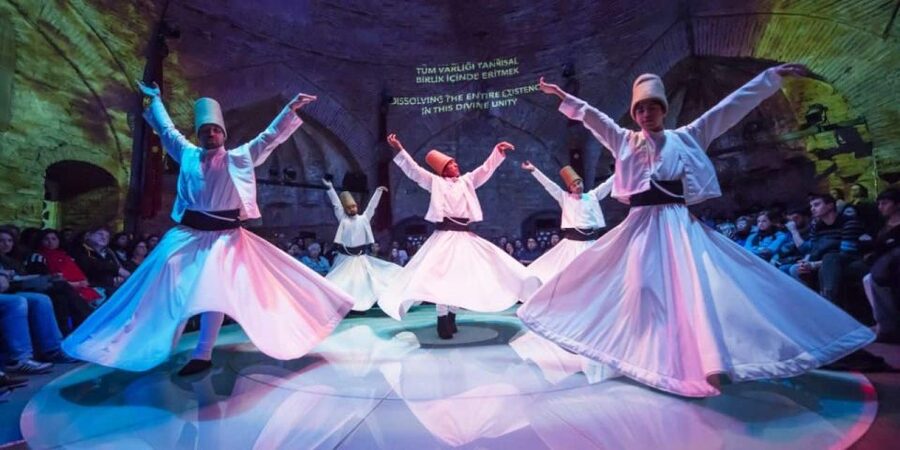
Choose Saruhan Kervansaray if you want an authentic-feeling Cappadocia evening that fits into a shorter schedule. The old caravanserai, included transport, reed music, prayers, and whirling make this the strongest choice for first-time visitors who want to see the ceremony in a memorable setting.
Choose Konya if Mevlana Celaleddin Rumi is a central reason for your trip, or if you can attend the December Şeb-i Arus ceremonies. The Mevlana Art Center and the Konya Mevlana Association give the program a direct connection to the tradition.
You should think twice if you want a highly explained cultural tour. The guide language may be limited, and one person found the lack of English explanation a real problem. You should also skip it if your main goal is a lively photo opportunity. The ceremony is restrained, and cameras stay away for most of it.
Should you book this dervish ceremony?
I would book the Saruhan version if you are staying in Cappadocia and want more than a restaurant performance. The historic caravanserai, careful ritual, music, and reliable hotel transport give you a meaningful evening for the price.
I would choose Konya only with a clear reason, such as attending Şeb-i Arus or following Rumi’s connection to the city. From Cappadocia, the long pickup window makes it a serious time commitment.
Before booking, confirm the starting time, pickup town, language support, and exact destination. If you accept the quiet pace and photography rules, this can be one of Cappadocia’s more memorable cultural experiences. If you want constant explanation or easy entertainment for young children, spend your time elsewhere.
FAQ
Where does the dervish ceremony take place?
You can choose a ceremony at Saruhan Kervansaray in Cappadocia or at the Mevlana Art Center in Konya.
Is hotel pickup included?
Yes. Pickup and drop-off are included from Göreme, Uçhisar, Ortahisar, Çavuşin, and Konya.
How long does the activity last?
The listed duration is two to six hours. Starting times depend on availability, the pickup location, and whether you choose Cappadocia or Konya.
Can I take photos or record video during the ceremony?
No. Cameras, professional cameras, photography inside, video recording, and audio recording are not allowed during the ceremony. Photography and video may be allowed during the final dance after the main ceremony.
Is food included?
No. Food and drinks are not included. Sherbet is offered at the end of the Saruhan ceremony.
Can I cancel the booking?
Yes. You can cancel up to 24 hours in advance for a full refund. You can also reserve now and pay later.
Just added in Goreme
- Flexible Private Cappadocia Tour – Explore at Your Own Pace★ 5.0 · 27 reviews
- Sunset ATV Tour in Cappadocia★ 5.0 · 188 reviews
- Private Salt Lake Sunset Tour with Photos & Snacks★ 4.5 · 32 reviews
- Balloon Watching & Sunrise Experience★ 5.0 · 20 reviews
- Hot Air Balloon Ride in Cappadocia / Goreme★ 5.0 · 109 reviews
- VIPPrivate Airport Transfer From or To Kayseri & Nevsehir Airport★ 4.5 · 20 reviews
- Photoshoot Experience in Cappadocia with Flying Dress★ 5.0 · 19 reviews
- Whirling Dervishes Show in Pamukkale with Hotel Pick Up★ 4.5 · 16 reviews
Mosques and Religious Sites, compared.
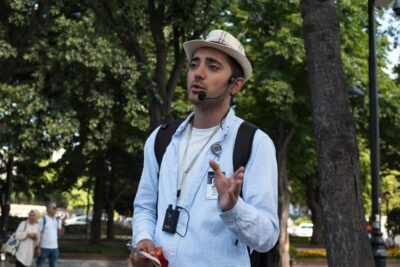
Blue Mosque & Hagia Sophia Guided Tour w/ Tickets
Read our review →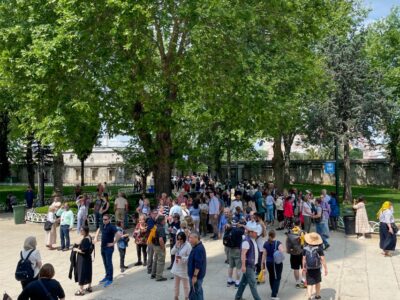
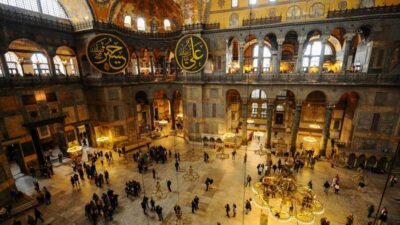
Blue Mosque, Hagia Sophia, & Basilica Cistern Tour
Read our review →
Blue Mosque, Basilica Cistern, & Hagia Sophia Tour
Read our review →
Blue Mosque and Hagia Sophia Tour w/Entry Tickets
Read our review →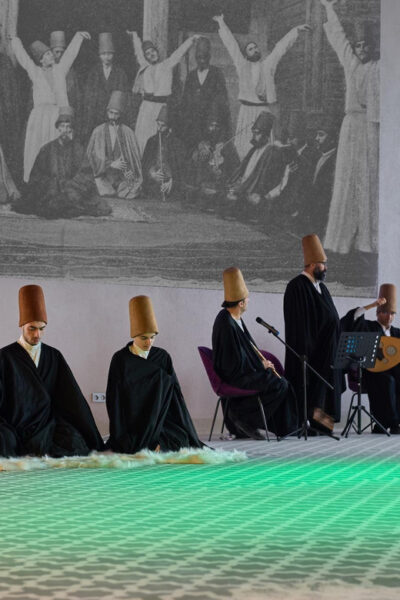
Hagia Sophia Ticket with Audio Guide & Blue Mosque
Read our review →
Istanbul Highlights! Blue Mosque, Hagia Sophia, Topkapı and More!
Read our review →Browse the lists this tour appears in