
Reviewed · MOSQUES AND RELIGIOUS SITES
Whirling Dervish Show
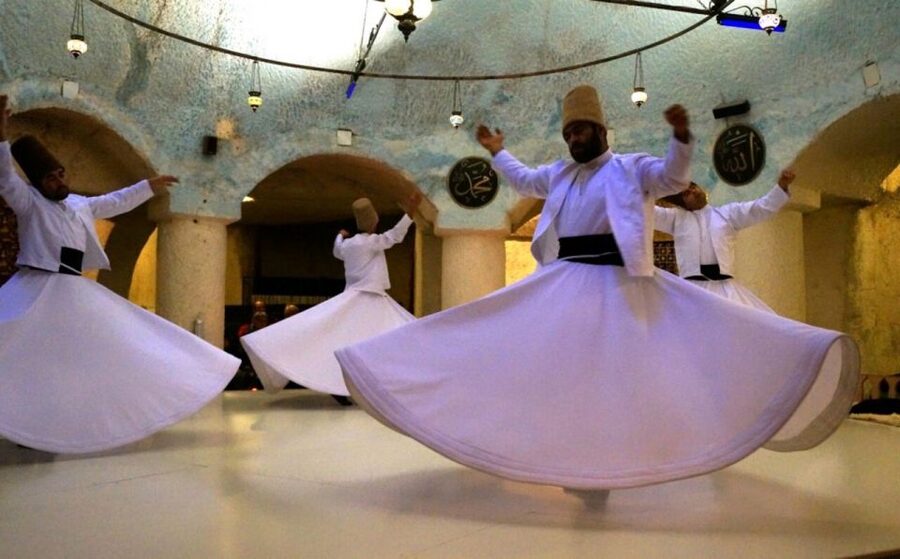
Let the silence do some of the talking. This one-hour Sema ceremony offers a calm look at Turkish spiritual tradition, with traditional reed instruments and the measured turning of the dervishes. I like that it feels less like a stage performance and more like a worship ceremony, and I also like that hotel pickup and drop-off are included. The main drawback is that you cannot film during the ceremony, and the short photo period afterward may feel rushed.
At $49 per person, I find the experience fairly priced if you want cultural context alongside your Cappadocia sightseeing. It is not a high-energy evening show, and you should not expect a long program or a narrated lesson. Instead, you get a focused hour in an intimate setting, with an English-speaking driver handling the transport.
In This Review
- Key points before you book
- Why the Sema ceremony matters
- Hotel pickup makes the evening simple
- Arriving at an intimate, atmospheric venue
- Watching the dervish move from ego to spiritual maturity
- Traditional reed music keeps the mood focused
- Photography is limited to a short moment
- Is $49 a fair price?
- Who will enjoy this ceremony most?
- Booking, cancellation, and practical timing
- My recommendation: book it for meaning, not spectacle
- FAQ
- How long does the Whirling Dervish Show last?
- What is included in the price?
- Is transportation provided by bus or taxi?
- Can I film the ceremony?
- Can I cancel for a full refund?
- Can I reserve the activity and pay later?
- Where does the ceremony take place?
Key points before you book
- A genuine Sema ceremony: This is a meditation and worship ceremony, not simply a dance show designed for tourists.
- The turning has a spiritual meaning: Every movement represents a stage in the soul’s path toward truth, maturity, and service.
- Hotel transport is included: Pickup and drop-off make this easier to fit into an evening in Central Anatolia.
- Photography is restricted: Filming is not allowed during the ceremony, though you can take photos and video for roughly two to three minutes afterward.
- The total program lasts one hour: That makes it easy to combine with other Cappadocia plans, but the presentation is intentionally short.
- The experience is well regarded: It carries a 4.8 rating from 21 bookings, with especially strong praise for the organization, setting, and cultural value.
Why the Sema ceremony matters
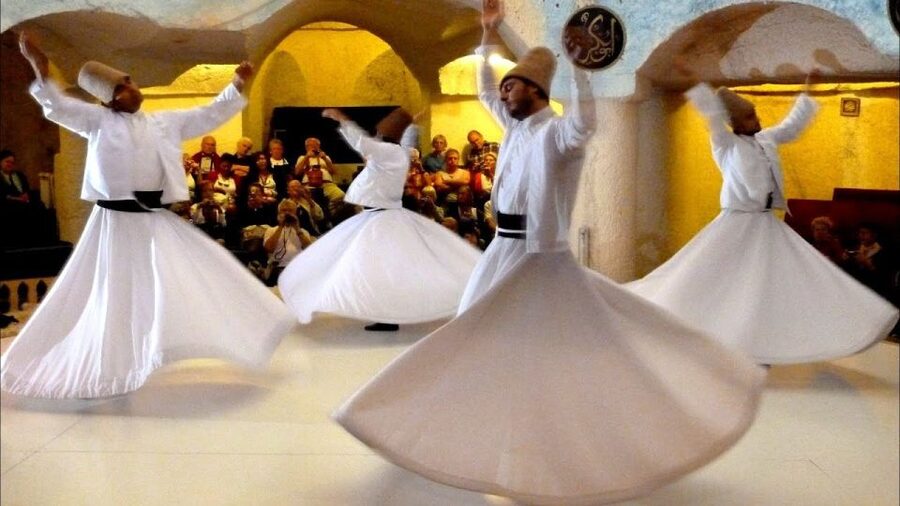
The Whirling Dervish ceremony comes from the Mevlevi tradition associated with spiritual devotion, music, and the teachings of Mevlana Jalaluddin Rumi. The turning is not meant as a trick or a display of physical skill. It represents a mystical journey toward love, truth, and spiritual perfection.
That distinction matters. If you arrive expecting a theatrical dance with dramatic lighting and constant motion, you may find the pace too restrained. If you come ready to watch a religious ceremony with respect, the quiet rhythm can become the main attraction.
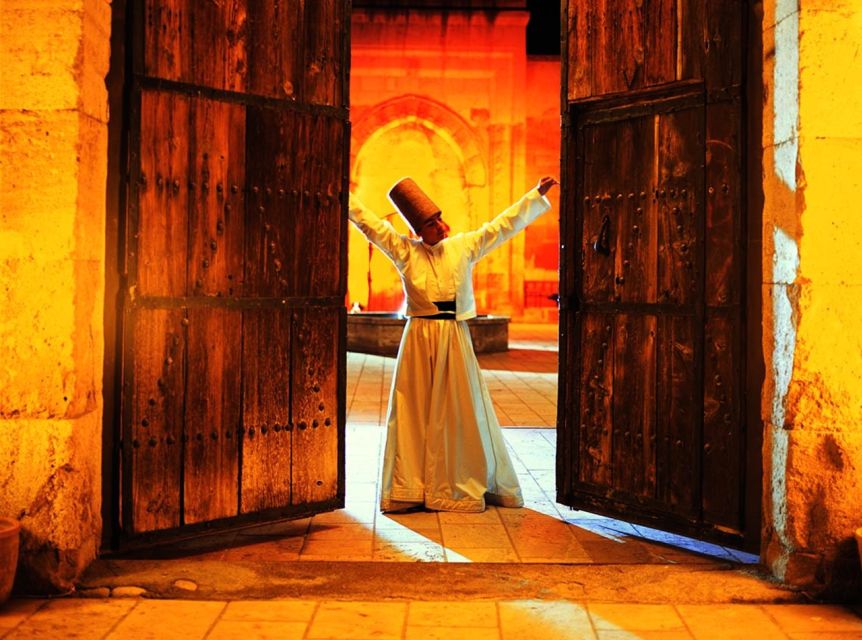
The Sema tells a story through clothing and movement. The dervish begins in a black cloak, then removes it before turning. This action represents leaving behind the old self and progressing toward spiritual maturity. The tall felt hat represents the tombstone of the ego, while the white skirt represents the covering of the ego.
At the beginning and during each stage of the ceremony, the dervish keeps his arms crossed. This represents the number one and bears witness to the oneness of Allah. Once the arms open, one hand reaches upward and the other points downward, symbolizing the passage of spiritual grace from heaven to earth. The ceremony’s goal is not escape from ordinary life. It is a return to life with greater maturity, love, and willingness to serve all people.
You do not need to share the faith to appreciate the message. The ceremony presents a clear idea: spiritual progress should make a person more generous toward people of every faith, class, and race. That universal focus gives the performance meaning beyond its visual appeal.
More Mosques and Religious Sites in Cappadocia
- Göreme: The Original Dervish Ritual in Konya or Cappadocia
★ 4.5 · 54 reviews - Cappadocia Dervish Ritual with live music (With 2 options)
★ 4.4 · 43 reviews - Whirling Dervish show in Cappadocia
★ 5.0 · 15 reviews
Hotel pickup makes the evening simple
Your experience begins with transport from your hotel. The information provided for this activity lists an English-speaking driver, and pickup has been handled by both a bus and a taxi, depending on the booking. This is useful in Central Anatolia, where evening transport can be less straightforward than in a large city.
The transfer also keeps you from having to arrange a separate taxi to the venue. That is a real part of the $49 value. You are paying for the ceremony, but you are also buying a simpler evening plan.
Allow a little flexibility around the exact drop-off. One booking included a return to a different address in Göreme rather than the original hotel. That was handled kindly, but you should confirm the final drop-off point if you have dinner, another tour, or a timed transfer afterward.
The driver speaks English, which helps with the basic details of pickup and return. Still, I would keep your phone available and watch for the pickup information supplied with your reservation. The exact start time depends on availability, so check it before planning the rest of your day.
Arriving at an intimate, atmospheric venue
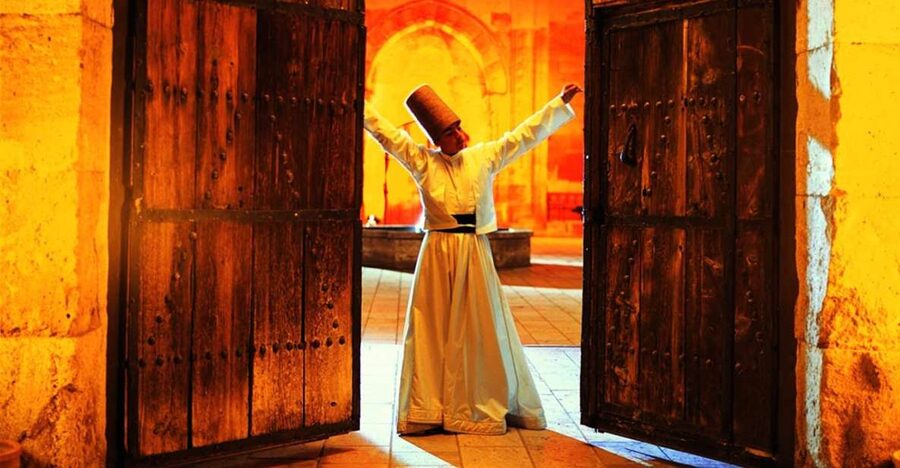
The venue has been described as intimate and atmospheric, which suits the ceremony. A smaller setting allows the focus to remain on the dervish, the music, and the changing meaning of each movement. You are not being asked to follow a complicated plot or wait for a large stage production.
This kind of setting also calls for good manners. Keep your voice low, silence your phone, and treat the ceremony as religious worship rather than a casual photo opportunity. The quiet is part of the experience. When the reed instruments begin, the lack of chatter helps you notice the slow pace and repeated musical patterns.
The program lasts about one hour. That is enough time to see the main stages of the Sema without using up an entire evening. I like this length for a first introduction because it gives you a meaningful cultural experience without requiring a major time commitment.
The tradeoff is that the hour can feel brief if you want detailed explanation or a longer artistic program. The available information does not promise a lecture, historical talk, or extended concert. You should think of the ceremony itself as the lesson.
Watching the dervish move from ego to spiritual maturity
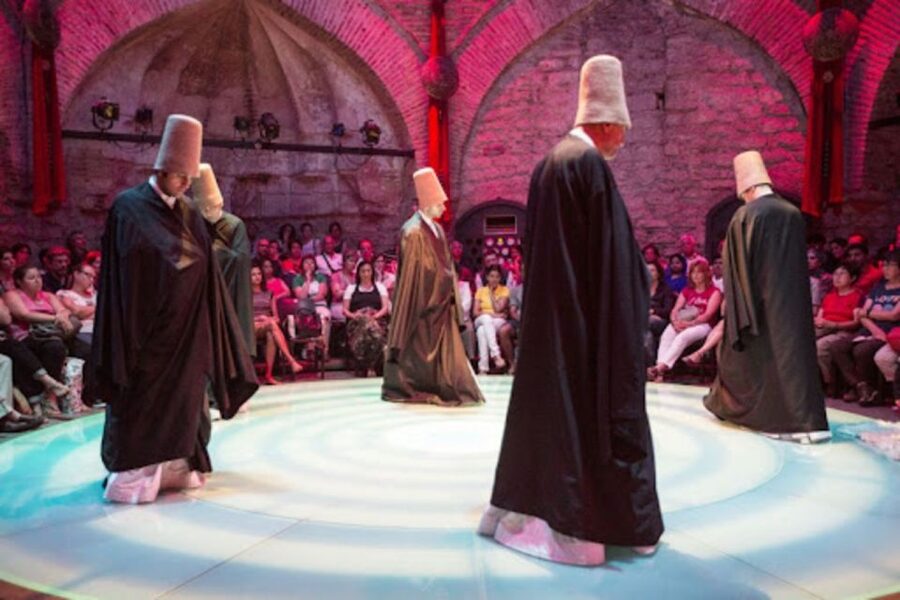
The ceremony begins with the dervish in a black cloak and wearing the tall dervish hat. These clothes are not decorative costumes in the usual stage sense. They are part of the ceremony’s language.
The hat represents the tombstone of the ego. The black cloak covers the old self. When the cloak is removed, the white skirt becomes visible, representing the cover of the ego and the dervish’s spiritual birth into truth.
At first, the dervish keeps the arms crossed over the chest. This posture represents unity. It is a restrained opening, and it sets the tone for what follows. The turning does not begin as a burst of motion. It grows out of stillness and concentration.
As the Sema progresses, the dervish turns in a controlled pattern. One arm reaches upward toward Allah, while the other turns downward toward the world. The dervish receives spiritual grace and passes it on. The ceremony links devotion with responsibility, which is one of its most useful ideas for a visitor.
I would pay attention to the transitions rather than trying to count the turns. Watch how the clothing changes the image, how the arms open, and how the ceremony moves from preparation to movement and then toward completion. Even without a spoken explanation, those visual stages give you a way to understand the ritual.
The goal is described as returning from a spiritual journey as a mature person who can love and serve every creature. That is why reducing the Sema to whirling misses the point. The turning is the visible part of a much larger idea about ego, love, discipline, and service.
More Mosques and Religious Sites in Goreme:
- Cappadocia Whirling Dervish Show with Hotel Pick up and Drop off
★ 4.5 · 15 reviews - Istanbul: Blue Mosque & Hagia Sophia Guided Tour w/ Tickets
★ 4.8 · 3,600 reviews - Istanbul: Blue Mosque Guided Tour
★ 4.5 · 1,910 reviews - Istanbul: Blue Mosque, Hagia Sophia, & Basilica Cistern Tour
★ 4.7 · 1,806 reviews
Traditional reed music keeps the mood focused
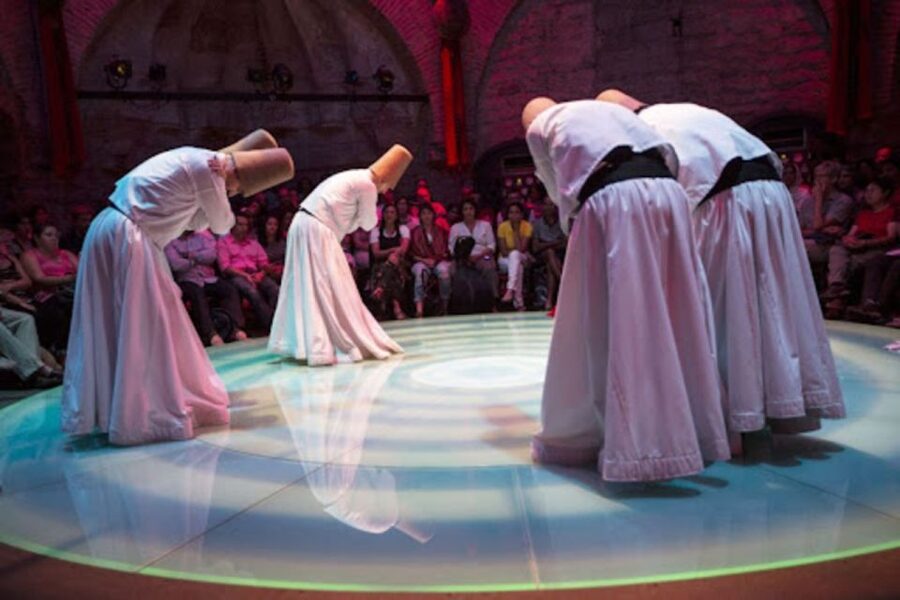
The ceremony is accompanied by traditional reed instruments. The music provides a steady frame for the movement, but it does not turn the event into a concert. The sound supports concentration and helps create the calm mood that makes the ritual different from a standard cultural performance.
You might find the music repetitive if you prefer constant variety. That repetition is deliberate, though. It gives the ceremony a measured pace and encourages you to watch with patience rather than waiting for a dramatic climax.
I recommend arriving ready to listen. Put away the urge to narrate the event to your companions. The musical passages, pauses, and slow turns work together. The less you treat the hour as something to consume quickly, the more you are likely to understand its purpose.
The ceremony’s strongest effect comes from its restraint. There are no advertised claims of elaborate stage effects, special entertainment, or audience participation. You sit and observe a devotional form that has its own rhythm. For many people, that will be more memorable than another polished tourist production.
Photography is limited to a short moment
You cannot film during the Sema ceremony. At the end, photography and video are allowed for only about two to three minutes. This rule protects the religious character of the event, but it also means you need to adjust your expectations.
Do not spend the ceremony worrying about getting the perfect shot. You will not be able to record the turning as it happens. Instead, watch the ceremony directly, then use the short photo period afterward to take a few respectful images.
The brief photo opportunity has been a weak point for some people. Two or three minutes is not enough to recreate the full atmosphere or carefully capture every part of the ceremony. If photography matters greatly to you, this limitation may affect your decision.
I see the restriction as reasonable for a worship ceremony. It also changes the way you remember the experience. You may leave with fewer images, but you will have spent the hour paying attention rather than looking at a screen.
Is $49 a fair price?
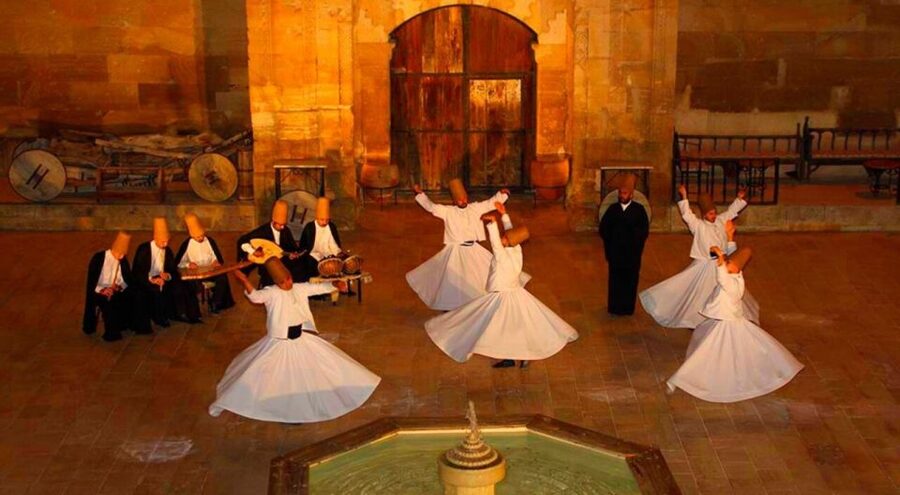
At $49 per person, this is a moderate-cost cultural activity. The ceremony lasts one hour, so the price is not a bargain if you judge it only by minutes of entertainment. The value improves when you count the hotel pickup and drop-off, the English-speaking driver, and the chance to see a religious tradition in an appropriate setting.
I would compare this with the price of an ordinary evening activity in Cappadocia. If a separate taxi would cost you a noticeable amount, included transport makes the package more useful. It also removes the stress of finding the venue after dark.
The price is easiest to justify for someone who wants a calm, focused cultural experience. It is harder to justify for someone who wants a large-scale show, extended explanations, or lots of photos. The program does not promise those things.
The high overall rating of 4.8 from 21 bookings supports the idea that the experience delivers what it promises. The strongest praise centers on the organization, the intimate setting, the cultural insight, and the convenience of transport. That matches the activity’s real strengths.
Who will enjoy this ceremony most?
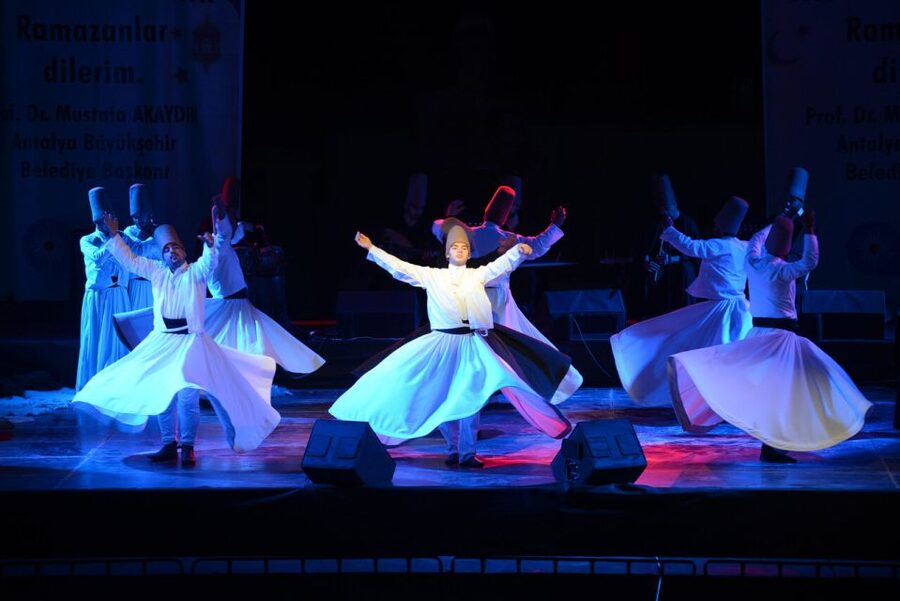
I would recommend the Sema to you if you enjoy religious art, traditional music, or quiet cultural experiences. It is also a good choice if you want to understand more about local customs rather than spending every evening on food, scenery, or nightlife.
It suits couples, solo visitors, and families with older children who can sit quietly for an hour. The ceremony’s message about love and service is accessible even if you know little about Islam or the Mevlevi tradition.
You may want to skip it if you need constant action or expect a conventional dance performance. The turning is graceful but repetitive by design. You should also think twice if filming is central to your enjoyment of cultural events.
The experience can work well after a full day of sightseeing because it is short and settled. It gives you a change of pace, though you should leave enough room around pickup and drop-off in case transport takes longer than expected.
Booking, cancellation, and practical timing
The activity offers free cancellation up to 24 hours before the start time for a full refund. You can also reserve now and pay later, which helps if your Cappadocia schedule may change.
Check the available starting times before you book. The tour lasts one hour, but the total outing will be longer once hotel transport is included. Keep your evening plans flexible enough for pickup and the return journey.
The listed language is English, mainly for the driver and basic logistics. The ceremony itself should not be treated as an English-language presentation. You are there to observe the ritual, not to receive a long spoken tour.
If you need a specific return address in Göreme, confirm it in advance. One booking ended at a different Göreme address, so the included drop-off may not always mean the exact door of your hotel.
My recommendation: book it for meaning, not spectacle
I would book this Whirling Dervish experience if you want one thoughtful hour of Turkish culture and can respect its religious purpose. The included transport, manageable length, and intimate setting make it an easy addition to a Central Anatolia itinerary.
I would not book it expecting a theatrical show or a photography session. The ceremony is quiet, the filming rule is firm, and the final photo period is very short. But if you watch the clothing, music, posture, and turning as parts of a spiritual story, the $49 price feels reasonable.
The best approach is simple: arrive on time, silence your phone, watch closely, and let the ceremony unfold at its own pace. You may leave with only a few photos, but you will have a clearer sense of why the dervish turns.
FAQ
How long does the Whirling Dervish Show last?
The ceremony lasts one hour.
What is included in the price?
Hotel pickup and drop-off are included.
Is transportation provided by bus or taxi?
Transport may be provided by a bus or a taxi. The activity includes an English-speaking driver.
Can I film the ceremony?
No. Filming is not allowed during the ceremony. Photos and video are permitted at the end for approximately two to three minutes.
Can I cancel for a full refund?
Yes. You can cancel up to 24 hours in advance for a full refund.
Can I reserve the activity and pay later?
Yes. You can reserve your place and pay later.
Where does the ceremony take place?
The experience is located in Central Anatolia, Turkey. One return transfer ended at another address in Göreme, so confirm your preferred drop-off point when arranging the booking.
More Show in Goreme
- Göreme: Dinner and Folk Show at a Cave Restaurant
★ 4.4 · 302 reviews - Goreme: Whirling Dervishes Show in Historical Cave
★ 4.4 · 169 reviews - Turkish night show with dinner and unlimited free alcohol
★ 3.5 · 22 reviews - Whirling Dervishes Show in Pamukkale with Hotel Pick Up
★ 4.5 · 16 reviews
Just added in Goreme
- Flexible Private Cappadocia Tour – Explore at Your Own Pace★ 5.0 · 27 reviews
- Sunset ATV Tour in Cappadocia★ 5.0 · 188 reviews
- Private Salt Lake Sunset Tour with Photos & Snacks★ 4.5 · 32 reviews
- Balloon Watching & Sunrise Experience★ 5.0 · 20 reviews
- Hot Air Balloon Ride in Cappadocia / Goreme★ 5.0 · 109 reviews
- VIPPrivate Airport Transfer From or To Kayseri & Nevsehir Airport★ 4.5 · 20 reviews
- Photoshoot Experience in Cappadocia with Flying Dress★ 5.0 · 19 reviews
- Cappadocia: Two Full-Days Private Tour (Driver Guide)★ 5.0 · 51 reviews
Mosques and Religious Sites, compared.
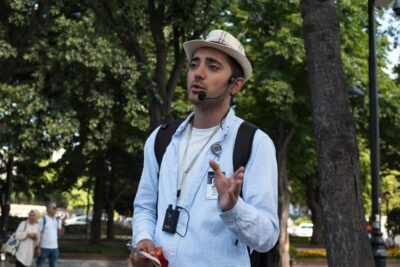
Blue Mosque & Hagia Sophia Guided Tour w/ Tickets
Read our review →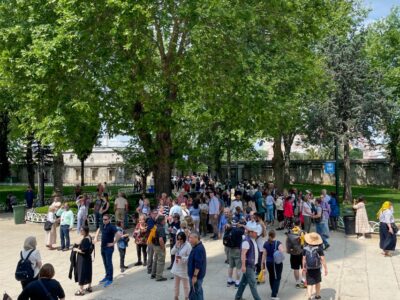
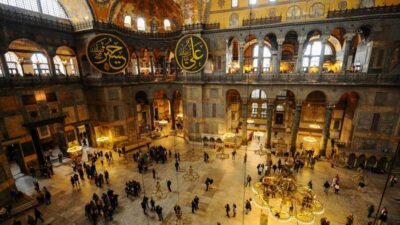
Blue Mosque, Hagia Sophia, & Basilica Cistern Tour
Read our review →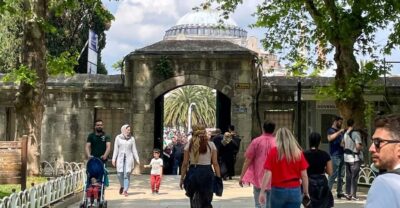
Blue Mosque, Basilica Cistern, & Hagia Sophia Tour
Read our review →
Blue Mosque and Hagia Sophia Tour w/Entry Tickets
Read our review →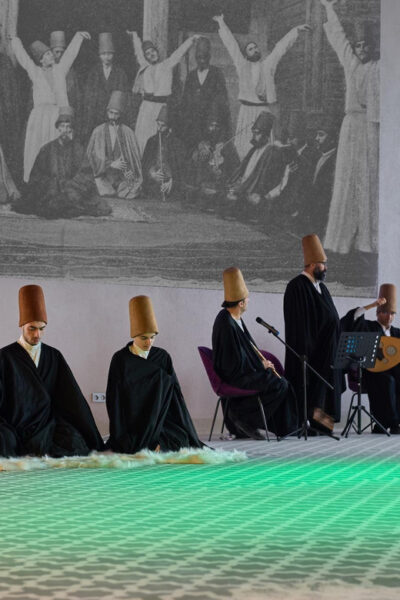
Hagia Sophia Ticket with Audio Guide & Blue Mosque
Read our review →
Istanbul Highlights! Blue Mosque, Hagia Sophia, Topkapı and More!
Read our review →Browse the lists this tour appears in